Dry mouth can be uncomfortable, leaving your mouth feeling sticky and irritated throughout the day. At Luxia Dental, our Dry Mouth Treatment in Indianapolis can help identify the cause of your symptoms and create a personalized plan for lasting relief while helping protect the health and appearance of your smile.
Dry mouth, also known as xerostomia is what happens when your body just can’t seem to produce enough saliva to keep your mouth nice and moist. And trust me, saliva is a lot more important than you might think at first glance. It helps get rid of food, keeps a lid on those pesky sugars and acids, protects your teeth, helps you speak clearly, and makes it so much easier to chew and swallow. When your saliva flow starts to drop, your mouth can start to feel dry, rough or just plain sticky. Not a great feeling, right?
Dry mouth is a common problem that can cause several uncomfortable symptoms. You may experience cracked lips, a dry tongue, bad breath, difficulty swallowing, or the need to drink water frequently. When dry mouth lasts for a long time or continues to return, it can also increase your risk of cavities, infections, gum disease, and tooth decay.
Dry mouth can have many possible causes. In some cases, it may be related to dehydration or frequent caffeine intake. In other cases, it can be connected to prescription medications, a health condition, or certain lifestyle habits. Our dentist will discuss your symptoms, medical history, diet, and daily routine to help identify the possible cause.
Some common causes of dry mouth include:
Dry mouth symptoms may be mild at first and can come and go. Some people only notice dryness in the morning or after drinking coffee. Others may experience symptoms throughout the day, which can become more noticeable over time.
Some common symptoms include:
A sticky, dry or rough feeling in your mouth
If these symptoms are really getting in the way of your daily life or making you feel uncomfortable, anxious or self-conscious then it’s probably a good idea to schedule a visit. Even if it seems like a small problem, getting it checked out early can really help protect your teeth and prevent bigger problems down the line.
You should see a dentist if dry mouth continues for more than a few weeks or causes daily discomfort. Schedule an appointment if it becomes difficult to eat, speak, sleep, or wear dentures. Frequent cavities, gum disease, mouth sores, or signs of infection may also indicate that saliva flow is too low to protect your teeth.
Delaying care can increase the risk of tooth decay, gum problems, and damage to existing dental work. Without enough saliva, bacteria and acids can build up more quickly, which may lead to more extensive dental treatment later.
Contact Luxia Dental if you experience worsening pain, difficulty swallowing, swelling, white patches, bleeding gums, or a sudden change in saliva production. A dentist can help determine whether your symptoms are related to dental health, prescription medications, dehydration, diabetes, or another concern that may require care from your doctor.
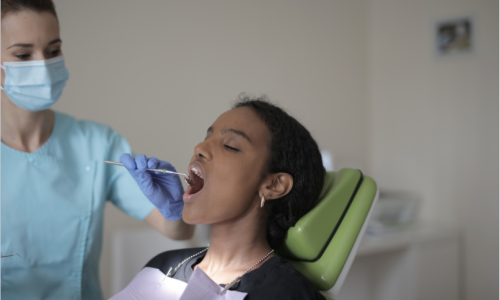
We’ll take a close look at your symptoms, your health history and all the other factors that might be contributing to your dry mouth. Then, we can come up with a plan to help you get the relief you need from treatment that helps stimulate your saliva flow to advice on how to stay hydrated and manage your symptoms on a daily basis.Your Dry Mouth treatment in Indianapolis starts with a friendly conversation and a real chat not just a dental exam. We want to get a good sense of when your symptoms kick in, how they’re affecting your daily life, and whether anything seems to be making them better or worse. This helps us move beyond just treating the symptoms and figure out what’s causing them.
During your appointment we might:
Ask about your medication, what you're taking, and your diet what you eat and drink, and how that might be impacting your dry mouth
Take a look at your medical history and chat with you about things like diabetes, autoimmune disorders, and Sjogren's syndrome
Give your teeth a good once-over to check for cavities, worn spots, plaque buildup and tooth decay
Check out your tongue, gums, lips and other soft tissues to see if you're experiencing dryness, redness, or any sores or infections
Keep an eye out for any signs of gum disease or problems with teeth and mouth hardware you already have - crowns, fillings, dentures, implants
Have a chat with you about breathing through your mouth at night, or if you have any trouble swallowing, speaking, chewing or tasting food
Most dry mouth evaluations can be done as part of a regular dental visit, but depending on what we find, we may want to schedule a follow-up appointment to get things sorted out, or we might just recommend some preventative care to keep things from getting worse.
Dry mouth treatment isn’t one-size-fits-all, what works for one person might not work for another, because dry mouth can be caused by different things. Our goal is to help you feel better, keep your mouth healthy, and figure out why you’re not making enough saliva.
If your dry mouth is because of a medication or medical condition, we might recommend that you talk to your doctor before making any changes.
Some treatment options we might suggest include:
Personalized fluoride treatment to help protect your teeth from cavities and decay
Regular cleanings and exams to keep an eye on your gum health and the risk of tooth decay
Saliva substitutes, mouth rinses or moisturizing gels to help add some moisture to your mouth
Tips to help stimulate saliva production safely throughout the day
A chat with you about the toothpaste and rinses you use to see if they're too harsh for your dry mouth
Help with any dental problems caused by cavities, cracked teeth or gum disease
Guidance on diet changes that can help reduce sugar and acid exposure like cutting back on sugary snacks and drinks
Referrals to your doctor if we think your symptoms might be linked to something your doc can help with, like a medication reaction or another condition
If you make drinking water a habit, you might find that it makes a big difference trying to drink water all day, not just when your mouth is really dry. Keep a water bottle with you at all times at work, in the car, or right beside your bed.
You can also try chewing sugarfree gum or using sugarless hard candy to help stimulate your saliva production. Choose gum or candy that’s got xylitol in it. It’s a sugar substitute that can actually help prevent tooth decay. Just avoid anything with real sugar in it, because sugar feeds the bacteria that can cause problems in your mouth.
Some people find that saliva substitutes can be a big help. These come in all sorts of forms, like sprays, gels or lozenges. They can help add moisture to your mouth and make it easier to eat, speak and sleep.
But if your dry mouth is because of a medication, don’t just stop taking it on your own, talk to your doctor and your dentist. They can help figure out what to do. Maybe your doctor can adjust your prescription or suggest a different medication that won’t give you dry mouth as a side effect.
Luxia Dental provides Dry Mouth treatment in Indianapolis with a gentle, personalized approach. Our team listens carefully, uses modern dental technology to check for early signs of damage, and builds a treatment plan around your needs, comfort, and health history. Whether you need preventive care, help with cavities, support for dry mouth discomfort, or treatment for a related dental issue, we will explain your options in plain English. We also focus on patient comfort, offer sedation options when appropriate, and can help you understand insurance and financing information before treatment begins.
Preventing dry mouth is not always possible, especially when it is caused by medications or a health condition. Still, small daily habits can protect your mouth and help you feel more comfortable.
Drink water regularly and limit dehydration, especially during hot weather or exercise
Choose water over alcohol, soda, energy drinks, and heavily caffeinated beverages
Chew sugar free gum after meals if it is safe for your teeth and jaw
Use sugarless hard candy to help produce saliva when you need quick relief
Brush twice a day with fluoride toothpaste and clean between your teeth daily
Ask your dentist which alcohol-free mouth rinse or saliva substitutes may work well for you.
Limit smoking and tobacco, which can dry the mouth and affect healing
Eat a balanced diet with less sugar and fewer acidic snacks
Breathe through your nose when possible and seek help for a blocked nose or nighttime mouth breathing
Visit your dentist regularly for dental care, cleanings, and early cavity checks
Talk with your doctor if new medications cause dry mouth or if symptoms suddenly occur
Regular checkups are one of the most effective ways to protect your teeth. Your dentist can spot early decay, gum disease, dry tissue, and other changes before they lead to discomfort or more complex treatment. Prevention is especially important when you have chronic dry mouth.
Yes. Saliva helps clean food, sugar, and bacteria from your teeth. When there is not enough saliva, your risk of tooth decay and cavities can increase. Regular fluoride care, good brushing habits, and Dry Mouth treatment in Indianapolis can help protect your smile.
Water is usually the most suitable choice. Drink lots of water in small sips throughout the day. Try to limit alcohol, caffeine, sugary drinks, and acidic beverages because they can make dryness worse or increase the risk of decay.
You can treat dry mouth symptoms at home with water, sugar free gum, sugarless hard candy, saliva substitutes, and good oral hygiene. However, persistent symptoms deserve a dental visit because treatment should also address the root cause and protect your teeth.
Yes. Smoking and tobacco can decrease moisture in the mouth, irritate oral tissues, and affect saliva flow. Quitting or reducing tobacco use can support better oral health and may improve dry mouth symptoms over time.
It can be. Dry mouth may be connected to diabetes, dehydration, stress, autoimmune disorders, Sjogren’s syndrome, or certain medications. Your dentist can assess the dental effects and may encourage you to talk with your doctor if another condition could be involved.
You do not have to live with the discomfort of dry mouth or wait for cavities to appear. Contact Luxia Dental today to schedule your Dry Mouth treatment in Indianapolis. Call 317-348-0048 or book online through our appointment page. We are ready to help you find relief, protect your oral health, and feel comfortable in your mouth again.