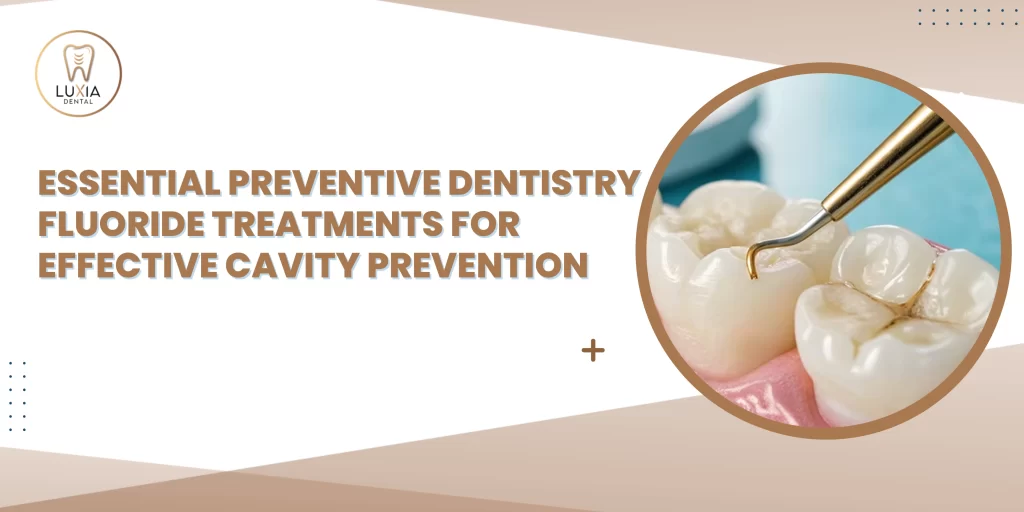
Essential Preventive Dentistry Fluoride Treatments for Effective Cavity Prevention
Sometimes late at night, when everything else settles and the world feels far away, you can almost sense the quiet work happening inside your mouth. Minerals shifting, enamel repairing itself in small invisible ways, the soft reminders of all the times you rushed through brushing or forgot the floss again. And suddenly you think about protection in a deeper way, not just habits but the things that strengthen you from the inside. That’s where fluoride treatment benefits come in, subtle but powerful, almost like armor you never notice until one day you realize you stopped getting those sudden twinges of pain. People talk about cavities like they’re inevitable, like they’re part of growing up or growing older, but the truth is cavity formation is this slow, almost delicate dance between demineralization and repair. And when you start searching for cavity prevention tips, you realize how much your teeth depend on small rituals. Rinsing. Brushing. A check-up you forgot to schedule. A professional fluoride varnish session you keep postponing because life keeps stacking itself on top of your intentions. Maybe that’s why this moment matters, this stillness where you sit and think about fluoride treatment for adults, about routines that hold your teeth steady long before decay has the chance to begin. Understanding Why Fluoride Treatment Matters Fluoride feels like one of those simple things the world keeps mentioning without really explaining, like a whisper from childhood about strengthening teeth. But there’s a quiet elegance in knowing how fluoride treatment prevents cavities, this microscopic exchange where minerals return to the enamel instead of leaving it. This mineral becomes your teeth’s protective layer, reinforcing places worn down by coffee, sugar, stress, or even just breathing through your mouth on tired days. When your enamel starts to weaken, fluoride steps in, almost like a calm friend who gently restores what life tried to take away. The thing is, preventive dental care doesn’t shout. It doesn’t feel dramatic or urgent until a sudden ache forces you to notice what you ignored. But here, fluoride stands at the beginning, not the aftermath. Professional Fluoride Treatments: Gentle but Powerful There’s something comforting about sitting in the dentist’s chair knowing the appointment isn’t about fixing something painful but preventing what could’ve become painful. A professional fluoride varnish appointment is quick, quiet, almost soothing. The varnish paints over your teeth like a thin protective coat, and even though you can’t see it, you feel a small sense of relief, like your enamel took a deep breath. And this relief is rooted in real protection, not illusion. That’s the magic of fluoride this small element offering something deeply structural. People sometimes assume fluoride is mostly for kids, maybe because fluoride rinses were always talked about in school. But fluoride treatment adults use has become increasingly important, especially with diets full of acids, sugars, late-night snacks, and the casual soda that sneaks into your day. Fluoride Treatment for Adults: Not Childhood’s Leftover There’s a strange belief that once you’re grown, your teeth somehow stop needing support. As if becoming an adult magically hardens everything. But actually, the opposite happens. Coffee becomes routine. Stress develops into grinding. Hydration becomes inconsistent. Enamel quietly wears down while you’re busy doing everything else. And that’s where fluoride treatment for adults steps in again, this invisible reinforcement your teeth didn’t grow out of. If anything, aging makes fluoride more relevant. Gum recession exposes vulnerable roots. Dry mouth from medications reduces protective saliva. Adult life introduces risks kids never deal with. Fluoride Treatment is not nostalgia, not an old-school dental trick. It’s the modern buffer your enamel leans into when life gets a little too abrasive. How Fluoride Actually Stops Cavities When you look at the science behind how fluoride prevents cavities, it’s almost strangely romantic in a microscopic way. Demineralization happens every time bacteria produce acids after you eat. Minerals dissolve. Enamel thins. Cavities begin long before you feel them. Fluoride interrupts that quiet unraveling by binding with the enamel and changing its chemistry into something more resistant, stronger, steadier. It rebuilds before damage becomes visible. It’s the kind of prevention that happens without your awareness, like a background process protecting you while you sleep. Fluoride is subtle. But so is decay. They meet at a level you can’t see, and fluoride simply wins. Dental Sealants and Fluoride: A Stronger Team Some things just work better together. Sealants create a physical barrier over deep grooves on back teeth, especially those tiny fissures where food hides. Fluoride strengthens the enamel from the inside out. When you combine them, dental sealants and fluoride become a layered form of protection. Think of it this way1. Sealants protect the surface2. Fluoride protects the structure And when the two meet, the likelihood of decay drops dramatically. Especially in molars, where brushing sometimes struggles to reach the quiet shadows. Cavity Prevention Tips You Actually Remember We forget the basics sometimes, not because they’re unimportant but because they become background noise. Still, the small things matter deeply, especially when it comes to preserving enamel. So here are moments where bullet points feel right, soft reminders in a list your mind can hold onto Small habits. Big difference. A quiet kind of prevention. When Fluoride Makes the Biggest Difference There are moments in life where fluoride becomes more than optional. Times when your enamel is already stressed, or your lifestyle leans toward higher risk. This is where fluoride treatment benefits become almost essential. For instance Fluoride layers itself over these vulnerabilities, like reinforcement over worn stone. And if you’ve had sensitivity lately, or that faint, worrying twinge on a cold day, this is often your first sign that fluoride could help long before a cavity forms. Conclusion Prevention doesn’t always feel thrilling, but it’s full of quiet strength. And fluoride whether in toothpaste, varnish, or professional treatments is one of the most reliable protectors you have. It’s gentle, inexpensive, almost invisible, and yet powerful enough to reduce decay in ways we can
Preventive Dentistry 2025 Checkups Cleanings and Cost-Saving Oral Health Tips

Maintaining your dental health has never been more essential than it is now in 2025. Dental treatments are becoming more advanced, and costs can be high if issues are not addressed early. This is why preventive dentistry treatment in 2025 is the most effective and affordable way to keep your smile healthy. The article we’ll discuss dental checkups in 2025, professional dental cleaning, cost-saving dental health tips, ways to avoid cavities, the benefits of regular dental checkups, and all preventive dentistry treatments. What Is Preventive Dentistry in 2025? Preventive dentistry care 2025 is a reference to the simple steps that you can take today to avoid serious dental problems in the future. Instead of putting off discomfort, you concentrate on early treatment. It consists of: The objective is quite simple: keep your teeth healthy, strong, and free of problems. Why Dental Checkups Matter in 2025 Dental checkups in 2025 are more sophisticated than ever before. Dentists today use digital instruments, more advanced imaging techniques, and X-rays to spot problems before they become serious. What is the process during a dental check-up? A routine check-up can take only 15 minutes, yet it can save you thousands of dollars in future visits. Why Professional Teeth Cleaning Is a Must The practice of brushing at home is beneficial; however, it’s not enough to remove plaque from deep below the surface. This is why professional dental cleaning is crucial. What exactly is professional cleaning? A dental hygienist removes: Dental cleaning benefits include: The majority of people should clean every two years. Preventive Dentistry Care at Home Although dentists play an essential role in the process, your everyday habits are more important. It is possible to follow preventive dentistry routines at home. This includes: Simple habits can make maintaining longer-term dental health more manageable and less expensive. How to Prevent Cavities Naturally Cavities are the most common dental problem; however, they are the easiest to avoid. Here are the most effective ways to reduce the risk of cavities: 1. Make sure you brush properly Use a soft toothbrush and gently scrub for 2 minutes. 2. Reduce sugar Sugar can feed harmful bacteria that can cause tooth decay. 3. Make use of fluoride toothpaste It also strengthens enamel naturally. 4. Rinse after meals Water cleanses food particles. 5. Chew sugar-free gum It also increases saliva levels, which helps protect your teeth. 6. Regular dental checkups Dentists can spot early signs of decay before they become more serious. Cost-Saving Oral Health Tips for 2025 The cost of dental treatment is higher when issues are left untreated. However, with a few wise choices, you can secure your teeth as well as your pocketbook. Here are the most effective dental health tips that will save you money: 1. Do not skip the exams The cost of cleaning twice per year is more affordable than treating dental cavities or root canals in the future. 2. Use preventive care Treatments with sealants and fluoride can prevent costly decay. 3. Maintain good home care Regular flossing and brushing can help reduce the need for dental visits. 4. Choose a dental plan Several clinics, including Luxia Dental, offer preventive packages. 5. Beware of harmful habits Smoking and eating nails with a knife, chewing ice and drinking sugary drinks can result in large dental bills later. Why Regular Dental Checkups Are Your Best Investment Many people visit the dentist only when they experience discomfort. However, it is more likely to indicate a more serious issue. That’s why regular dental exams every six months are highly recommended. These checks: Imagine checkups as a service for your vehicle. Little maintenance will prevent significant breakdowns. Also read : Emergency Dentist in Indianapolis – Fast, Reliable Relief for Dental Emergencies How Preventive Dentistry Saves Money Here’s a quick comparison: If you take care of preventive dentistry treatment, you will be able to avoid more costly treatments and save money in the long term.Here’s a quick comparison: Preventive Dentistry for Kids in 2025 Children need solid foundations from as young as they are. Regular dental care helps keep their teeth in good shape as they develop.Preventive Dentistry for Kids in 2025 Essential steps to take: Instilling healthy habits in children at an early age can help them avoid future dental problems. What to Expect During Professional Teeth Cleaning in 2025 Modern cleaning methods are fast, easy, painless and efficient. Hygienists will: When you leave the dental clinic, you will have a more energised, healthier smile. Why Luxia Dental Focuses on Preventive Dentistry Luxia Dental believes prevention is more effective than treatment. Their approach is affordable, patient-friendly and based on modern dental technology. They provide: A healthy smile begins with simple routines and regular visits. Conclusion The 2025 year of preventive dentistry is about preventing dental issues. By keeping up with regular dental exams in 2025, professional teeth cleaning and easy dental health tips that are cost-effective and you will have strong, healthy teeth for the rest of your the rest of your life. The best way to protect your dental health is to maintain regular dental hygiene and follow basic routines such as flossing, brushing, and staying hydrated. A few minutes of care today could keep you from having major dental procedures in the future. Your smile is worth the effort. FAQs 1. When should I go to the dentist? It is recommended that you visit your dentist every six months for regular dental checks. 2. Does professional cleaning hurt? There is no need to worry, professional teeth cleaning is comfortable and gentle. 3. How can I avoid cavities by taking natural steps? Cleanse twice a day, lower sugar intake, and make sure you use fluoride toothpaste. These are the best tips for avoiding cavities. 4. Are preventive treatments expensive? No. Prevention is much less expensive than repairing the damage later. 5. Why are dental exams important in 2025? Modern tools can detect issues early, making dental checks in 2025 more efficient and reliable.