Jaw pain can make everyday things like chewing, talking, smiling, and sleeping feel uncomfortable. At Luxia Dental, Jaw Pain treatment in Indianapolis can help identify what is causing your discomfort and create a clear plan for feeling better.
Jaw pain is discomfort in or around your jaw, face, ear, or temple area. It may start as a mild ache, a tight feeling, or a sharp pain when you open your mouth. For some people, it comes and goes. For others, chronic jaw pain can affect their comfort from morning until night.
Your temporomandibular joint, often called the TMJ, connects your lower jaw to your skull. You have one joint on each side of your face, right in front of your ears. These joints, along with your jaw muscles and facial muscles, help control jaw movement when you chew, talk, yawn, and swallow.
When the jaw joint is irritated, overworked, injured, or not moving as it should, it can lead to tmj pain and facial pain. Some people call this TMJ, while others use terms like tmj disorders, tmj problems, tmj issues, or temporomandibular disorders. These terms generally describe problems involving the temporomandibular joint tmj system.
Jaw pain is not always serious, but it should not be ignored if it lasts, worsens, or makes daily life difficult. Ongoing pain may affect your dental health, oral health, sleep, mood, work, and overall quality of life. Many patients are surprised to learn that pain in the jaw can also be connected to headaches, ear pain, neck pain, or even shoulder pain.
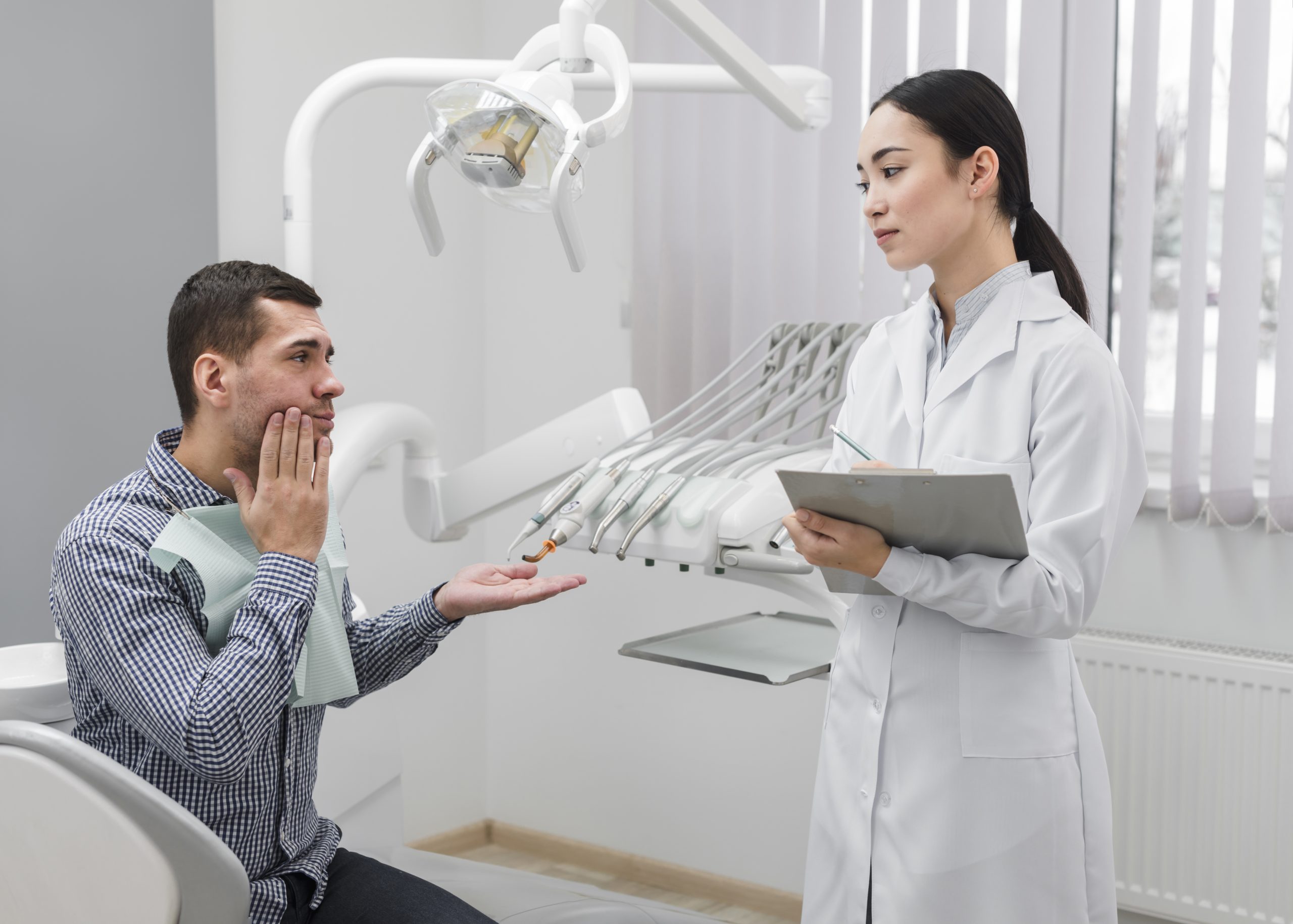
There are many possible underlying causes of jaw pain. Sometimes the cause is simple, such as chewing gum too often or clenching during a stressful week. In other cases, dental problems, a jaw injury, bite issues, or temporomandibular joint disorders may be involved.
Common causes of jaw pain include:
A bad bite can cause your teeth to meet in a way that forces your lower jaw into an uncomfortable position. Over time, this may reduce the smoothness of jaw movement and increase strain on the joint and muscles. Missing teeth can have a similar effect because nearby teeth may shift and change your bite.
Teeth grinding and clenching are especially common forms of jaw stress. You may not even realize that you grind your teeth at night. A partner may hear it, or you may wake with a sore jaw, tired facial muscles, or morning headaches. Your dentist can look for clues, including worn teeth, cracks, and tenderness.
Lifestyle habits can also play a role. Stress, poor posture, sleeping in an awkward position, holding your phone between your shoulder and ear, and chewing only on one side of your mouth can all add pressure. If you would like to learn more about related concerns, Luxia Dental can also help with services connected to teeth grinding and dental problems.
TMJ symptoms can be different from person to person. Some patients have mild discomfort that appears only while chewing, while others suffer from chronic pain that affects much of their day.
Common signs and symptoms include:
Popping sounds alone do not always mean you have a serious problem. However, popping sounds paired with pain, locking, limited jaw movement, or trouble chewing are worth discussing with a dentist. These signs can point to TMJ problems that need attention.
Symptoms may come and go at first. Stressful periods, hard foods, poor sleep, or frequent clenching can make them worse. Without treatment, some people notice that mild tmj pain becomes more regular and starts to interfere with eating, talking, or sleeping.
It is a good idea to see a dentist when jaw pain lasts more than a few days, keeps returning, or affects your normal routine. A dentist can help determine whether your discomfort is related to the jaw joint, teeth, gums, muscles, or another concern.
Schedule a visit if you notice:
Chronic jaw pain or facial pain that does not improve
Painful chewing or trouble opening your mouth
A locked jaw or limited jaw movement
Severe tmj pain near the ear or joint
Frequent headaches, chronic headaches, or migraines
New popping sounds along with pain or stiffness
A recent jaw injury
Ear pain that does not appear to be from an ear infection
Worn teeth, broken teeth, or sensitivity from teeth grinding
Swelling, fever, tooth pain, or signs of infection
A bite that suddenly feels different
Waiting too long can allow pain and muscle tension to become more difficult to manage. It may also mean that teeth grinding, a bad bite, dental disease, or missing teeth continue to place pressure on the joint. Early care gives your dental team a better chance to treat the root cause before symptoms affect your quality of life.
If you have severe swelling, trouble breathing, trouble swallowing, heavy bleeding, or pain after a major injury, seek urgent medical care. For non-life-threatening jaw discomfort, Luxia Dental can help you take the next step toward finding relief.
Your visit starts with a conversation about your symptoms, daily life, past dental care, stress, sleep, and any injury you remember. We want to understand not just the symptoms, but also the habits and conditions that may be creating them.
During your dental exam, we may:
ut we’ve got plenty of experience with it and know it’s a common concern. Your visit is all about getting to the bottom of things and helping you feel at ease.
When you come in, your dentist will likely:
Ask when the pain began and what makes it better or worse
Check how your upper and lower jaw move
Gently feel the jaw muscles, facial muscles, neck muscles, and jaw joint
Listen for popping sounds or clicking during jaw movement
Look for worn teeth, cracks, missing teeth, misaligned teeth, and signs of clenching
Check your bite and how your teeth come together
Examine your gums and teeth for dental problems that may cause pain
Take digital X-rays or other images when needed
Discuss your history of headaches, ear pain, neck discomfort, and jaw injury
A typical exam may take about 30 to 60 minutes, depending on your symptoms and whether images are needed. Our goal is to make the visit comfortable and easy to understand. We explain what we see in plain English and give you time to ask further questions.
Luxia Dental may use ideas from neuromuscular dentistry to look at how your teeth, bite, muscles, and jaw joint work together. This does not mean every patient needs complex care. It simply helps us take a comprehensive approach instead of treating only one area while missing a larger issue.
Jaw Pain treatment in Indianapolis should fit the person, not follow a one-size-fits-all plan. Your treatment plan will depend on your symptoms, the condition of your teeth and joints, and the likely root cause of your discomfort.
Possible treatment options include:
A custom night guard to protect teeth and reduce pressure from teeth grinding
Bite adjustments when a bad bite is contributing to strain
Restorative dental care to repair damaged teeth or replace missing teeth
Gentle recommendations to avoid hard, chewy, or crunchy foods while the jaw heals
Warm compresses to relax sore muscles and encourage relief
Simple stretching or jaw exercises to support healthy jaw movement
Stress-management tips to help prevent teeth grinding and jaw clenching
Guidance on posture, sleep habits, and avoiding pressure on the jaw
Short-term pain relief options when appropriate
Botox treatment for selected patients with strong muscle clenching, when clinically appropriate
Referrals for physical therapy or another provider when your needs call for it
At-home care may be helpful for mild cases. Eating softer foods, using warm compresses, avoiding wide yawns, and giving your jaw a break can reduce strain. Some patients also benefit from noticing when they are clenching during the day and resting their tongue lightly behind their front teeth with their lips together and teeth apart.
If your pain comes from dental problems, treatment focuses on those concerns. For example, treating an infected tooth, replacing missing teeth, correcting a bite issue, or protecting worn teeth can help reduce stress on the jaw. Effective tmj treatment is about addressing the underlying causes, not just the symptoms.
For patients with constant tension, chronic pain, or more advanced tmj issues, we may recommend a step-by-step plan. This allows us to see what improves your pain and function before considering more involved treatment. Our goal is to help you chew, speak, and smile with greater comfort.
Luxia Dental provides Jaw Pain treatment in Indianapolis with a caring, comprehensive approach. Our dental team has advanced training and uses modern technology to evaluate your teeth, bite, muscles, and jaw joint with attention to detail. We listen carefully, explain your options in simple language, and create personalized treatment plans based on your needs and comfort level. Whether you need help with a night guard, dental problems, missing teeth, clenching, or ongoing tmj treatment, we focus on gentle care and practical solutions. Ask our team about appointment availability, comfort options, sedation options when appropriate, insurance guidance, and payment or financing support.
You cannot prevent every case of jaw pain, especially after a jaw injury or when a medical condition is involved. Still, a few everyday habits can help protect your teeth, jaw muscles, and temporomandibular joint.
Helpful prevention tips include:
Brush twice each day with fluoride toothpaste and floss daily to support oral health
Visit your dentist for regular check-ups and professional cleanings
Wear a custom night guard if you grind or clench your teeth
Avoid chewing ice, pens, fingernails, and very hard foods
Limit gum chewing if your jaw is already sore
Choose softer foods during a flare-up
Use a warm compress when muscles feel tight
Practice stress relief through breathing, movement, rest, or other healthy routines
Keep good posture, especially when using a phone or computer
Avoid resting your chin in your hand for long periods
Wear a protective mouth guard for sports when recommended
Contact your dentist after a jaw injury or when your bite changes
Regular visits help your dentist spot worn teeth, dental disease, bite changes, and other concerns early. This can help prevent teeth grinding damage and protect your dental health before discomfort becomes a bigger problem.
No jaw pain is never 100% caused by TMJ. It can also come from a host of other issues like dental problems, a tooth infection, gum disease, a jaw injury, missing teeth, sinus pressure or even just a bad case of muscle tension. That’s why a dental check up is so useful it can start helping you narrow down what’s causing your jaw pain.
Yes, grinding your teeth can put so much strain on the muscles in your jaw and face that it can lead to facial pain, headaches, ear pain and that annoying soreness in your neck. If you’re a grinder, trying a night guard and lots of stress-reduction strategies may help keep you on track.
In some cases mild tmj pain might improve on its own if you give your jaw lots of rest, stick to a soft foods diet, have a warm compress on it and avoid clenching at all costs. But then again if your pain is persistent, keeps coming back every so often, is stopping you chewing properly or is having a big impact on your daily life, you really should have it looked at. The chances are that you’ll need to have some treatment to sort out the root cause.
Botox may help some people whose jaw clenching is causing pain or discomfort. However, it does not work the same way for everyone. Your dentist will take the time to understand your symptoms, review your health history, and talk with you about your goals before deciding if Botox could be a good fit for your treatment plan.
Call Luxia Dental at 317-348-0048 to ask about the next available appointment. We will make every effort to help you find a convenient time and guide you on what to expect.
You don’t have to just suffer with jaw pain, pain when you are eating, clenching, headaches or discomfort near your ear any longer. Get in touch with Luxia Dental right now to book a dental check and start a chat with a caring dentist about what can be done to clear up your jaw pain for good in Indianapolis.
Call 317-348-0048 or book an appointment online. Our team is here to help answer your questions and get you sorted with some lasting relief.