Teeth grinding can leave you with a sore jaw, worn teeth, headaches, and frustrating sleep problems. At Luxia Dental, our Teeth Grinding treatment in Indianapolis can help protect your smile, ease discomfort, and identify what may be causing the habit.
Teeth grinding, also called bruxism, is the unconscious habit of grinding or clenching your teeth. It can happen during the day when you are focused, stressed, or anxious, and it can also happen while you sleep. Sleep bruxism is especially tricky because many patients do not realize it is happening until someone hears the grinding at night or a dentist notices signs of wear.
This problem can affect more than your teeth. Repeated pressure can strain the jaw muscles, irritate the temporomandibular joint, and cause jaw pain, facial pain, tmj pain, or headaches. Over time, untreated bruxism may harm tooth enamel, chewing surfaces, soft tissue, and your overall oral health. It can make eating, talking, sleeping, and daily life less comfortable.
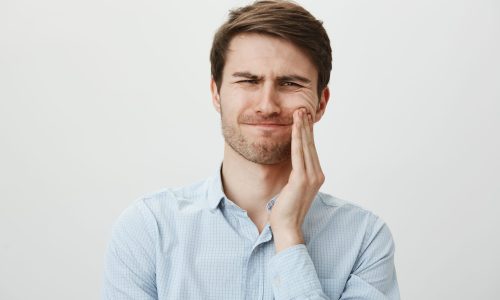
Teeth grinding isn’t always down to one single reason. For some types of patients, it is very much linked to stress or anxiety, while for others it’s more about how their teeth fit together, a troublesome sleep pattern or some other dental problem they may be having.
Common causes of bruxism tend to include:
Sometimes it can be obvious what is causing the problem, but not always. That’s why a trip to the dentist is so important. We take a good look at your teeth, your bite, your jaw, your sleep habits, and all the symptoms you’ve been experiencing to work out which treatment options are going to be the right fit for you.
Early signs of teeth grinding can be easy to miss. They may come and go, especially during stressful times. If the grinding gets worse, though, it can start causing more noticeable pain and damage to your teeth.
Common signs of bruxism can include:
You might also find you’re clenching your jaw during the day, especially when you’re concentrating or feeling really stressed. Even if you don’t hear any grinding going on, a tight jaw, a lot of headaches or worn down chewing surfaces can be a big clue that you’ve got a bruxism problem.
It is a good idea to see a dentist if you have ongoing jaw pain, headaches, tmj pain, or teeth that feel sore when chewing. You should also schedule a visit if you notice clicking sounds, difficulty opening your mouth, cracks, sensitivity, or changes in how your teeth come together.
Waiting can allow a manageable issue to become a bigger problem. Left untreated, grinding can lead to more tooth damage, worn enamel, gum recession, dental problems, and even tooth loss in severe cases. It may also put more stress on the temporomandibular joint and contribute to ongoing tmj problems.
Early care can help prevent tooth damage before you need more extensive dental work. A prompt evaluation also helps us rule out other concerns and build a treatment plan that fits your symptoms, habits, and goals.
At Luxia Dental, we take time to listen to what you are feeling. To diagnose bruxism, we ask about your sleep, stress, headaches, jaw discomfort, medications, and any recent changes in your bite or dental health.
During your appointment, our dental team may:
Review your symptoms and ask when pain or grinding happens
Examine your teeth for cracks, flattening, chips, and worn chewing surfaces
Check your gums and soft tissue for signs of pressure or irritation
Feel the jaw muscles and temporalis muscle for tenderness or tension
Check the temporomandibular joint for clicking, popping, or limited movement
Look for signs of occlusal trauma and uneven pressure on your bite
Take digital x rays when needed to assess the teeth, roots, bone, and other hidden dental problems
Discuss sleep disorders, stress, anxiety, and lifestyle habits that may lead to clenching
Most assessments are comfortable and straightforward. The visit length depends on your needs, but many patients can expect a focused exam and discussion in one regular dental office appointment.
There is not always a single cure for bruxism, but there are effective methods to lower pressure, ease symptoms, and protect your teeth. The most effective methods depend on the root cause, the amount of damage, and whether your grinding happens during the day, at night, or both.
Your teeth grinding treatment in Indianapolis may include:
A custom fitted mouthguard to cushion the teeth and reduce damage during sleep
A night guard designed around your bite for a more secure and comfortable fit
An NTI TSS device in selected cases, when appropriate for your bite and symptoms
Bite adjustments or restorative dental procedures if damaged teeth are creating uneven pressure
Tmj treatment to reduce strain related to a tmj disorder
Orthodontic treatment if misaligned teeth are contributing to bite concerns
Botox injections for carefully selected patients with strong jaw clenching or muscle tension
Botox injections for carefully selected patients with strong jaw clenching or muscle tension
Restorative dental work to repair worn, cracked, or broken teeth
Referrals or coordination with other providers when sleep disorders or chronic pain need added support
At-home care can also make a meaningful difference. We may recommend warm compresses, gentle jaw stretches, a softer diet for a short time, and reminders to keep your teeth apart when you are not chewing. Lifestyle changes, including stress management, better sleep habits, and reducing caffeine late in the day, may help lessen grinding.
Treatment in Indianapolis is never one-size-fits-all. Your treatment plan will focus on what is causing your symptoms and what will help protect your oral health. For some people, a custom appliance is the main answer. For others, treating a TMJ disorder, improving sleep, managing stress, or addressing dental work is just as important.
Luxia Dental provides thoughtful, personalized bruxism treatment in a welcoming dental office setting. Our dental team uses a gentle approach, modern tools such as digital x-rays, and careful bite evaluations to understand your concerns rather than simply covering up symptoms. We create treatment options around your comfort, schedule, and smile goals, whether you need a custom fitted mouthguard, tmj treatment, restorative care, or help managing tooth damage. We also work to make visits easier with a calm experience, clear explanations, sedation options when appropriate, and guidance about insurance and financing support. If you are dealing with sudden pain or a damaged tooth, ask our team about appointment availability and urgent dental care.
You may not be able to prevent every episode of bruxism, especially sleep bruxism, but small habits can lower tension and help protect your teeth. Consistent care is one of the most effective ways to support a healthier smile.
Helpful prevention tips include:
Wear your custom fitted mouthguard exactly as your dentist recommends
Keep up with brushing twice a day and flossing daily to protect oral health
Schedule regular check-ups so your dentist can spot wear before it becomes serious
Practice relaxing your jaw by keeping your lips together and teeth slightly apart when you are not eating
Limit caffeine, alcohol, and nicotine, especially close to bedtime
Build calming habits into your night routine, such as stretching, breathing exercises, or quiet time
Use warm compresses for sore jaw muscles when recommended
Avoid chewing gum, ice, pens, or other hard objects that can overwork the jaw
Speak with your healthcare provider if poor sleep or sleep disorders may be playing a role
Follow any care instructions after orthodontic treatment or other dental procedures
Stress can be a major trigger, so finding realistic ways to lower anxiety and tension can help. A short walk, regular exercise, a consistent sleep schedule, or a few quiet minutes before bed can make a difference over time.
Most of the time, teeth grinding treatment is really quite comfortable. We make a custom mouthguard that fits your teeth perfectly, and many patients find it makes their jaw feel all relaxed at night. If you’re experiencing pain from grinding, we can figure out some gentle ways to make treatment manageable, okay?
Yes, repeated grinding and clenching can really strain the TMJ joint and the muscles nearby. This can cause all sorts of problems like pain, clicking sounds, stiffness, headaches, or even pain when chewing. Getting an evaluation early on can really help prevent the problem from getting worse.
Unfortunately, yes. Grinding can wear down your tooth enamel, flatten the chewing surfaces, crack your teeth, or damage any existing dental work. And in bad cases, untreated bruxism can even contribute to gum recession, loose teeth, and tooth loss. But don’t worry – treatment can help protect your smile from further damage.
A store-bought guard might give you some short-term relief, but it’s not made to fit your specific bite. A custom fitted mouthguard from a dentist usually fits way better and gives you more reliable protection. Plus, it lets your dentist keep an eye on how grinding’s affecting your teeth.
Bruxism might get better when your stress levels, sleep, or bite-related issues get better, but you shouldn’t just ignore it. There’s no magic cure, and symptoms can come back when you’re under a lot of stress again. A dentist can help figure out what’s going on and recommend some treatment options to keep your teeth safe in the meantime.
Don’t let teeth grinding, jaw pain or damaged teeth get in the way of your comfort. Contact Luxia Dental for teeth grinding treatment in Indianapolis and let our team help you find a practical way to ease the pain and get a healthier smile.
Call 317-348-0048 or book an appointment online today.