Dental anxiety can make even a routine dental appointment feel overwhelming, stressful, or scary. At Luxia Dental, our Dental Anxiety treatment in Indianapolis helps you feel safe, heard, and more in control of your dental care from the moment you walk in.
Dental anxiety is a strong sense of worry, fear, or stress about going to the dentist or receiving dental treatment. Some people feel uneasy only before a visit, while others have a dental phobia that causes them to delay dental visits for years. Dental anxiety treatment in Indianapolis is designed to help patients get the care they need without feeling rushed or judged.
This fear can affect oral health and daily life. When people avoid dental care, small dental problems can become larger issues involving a tooth, the gums, or the mouth. Many patients also lose sleep, worry while waiting for an appointment, or feel self-conscious about their smile. Dental anxiety is serious when it prevents you from protecting your health, but it is also very common and treatable.
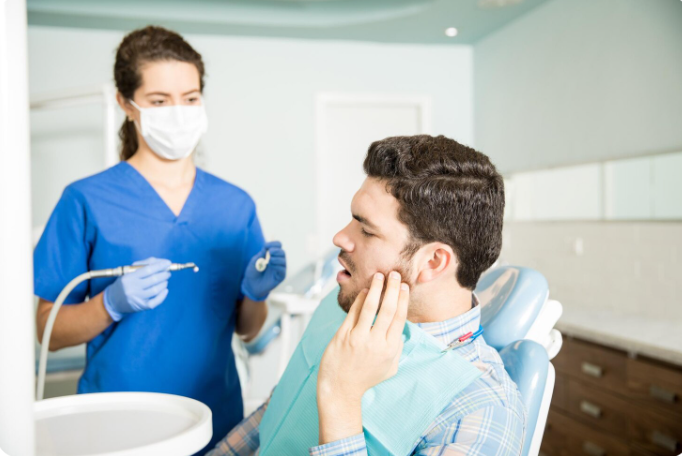
Dental anxiety can come from many different experiences, concerns, and personal feelings. It does not mean you are weak or difficult. Our dental team takes time to understand what causes your fear so we can make a plan that supports your comfort level.
Common causes include:
For some people, dental anxiety grows after avoiding the dental office for a long time. Others feel anxious because they have had pain, tooth damage, or gum concerns and are worried about what the dentist may find. Dental anxiety is not usually caused by poor oral hygiene alone, but delaying dental care can create more concerns and add to the stress.
Dental anxiety can look different from one person to another. Mild cases may come and go, especially before a scheduled visit. More severe anxiety may worsen over time if dental visits continue to be delayed.
Common signs and symptoms include:
Many patients experience only a few of these signs. Others may have a dental phobia that makes it very difficult to enter an office or begin treatment. No matter your anxiety level, sharing your concerns with the team is an important first step.
A visit for dental anxiety treatment in Indianapolis begins with a respectful conversation. You can tell us about what makes you feel anxious, what has happened in the past, and what would help you feel more at ease. We listen without pressure and work at a pace that makes sense for you.
During your consultation, the dentist and dental team may ask about:
You have skipped dental visits because of fear or anxiety
You have pain, swelling, bleeding gums, or a damaged tooth
You think you may need dental implants, fillings, or other treatment
You are using pain medication to manage a dental problem
You feel panic or severe stress before an appointment
You have questions about sedation dentistry or want to discuss your options
Waiting too long can allow small concerns to become more serious, more uncomfortable, and more costly to treat. Dental anxiety treatment in Indianapolis can help you take care of your smile earlier, often with a simpler procedure and less worry.
A visit for dental anxiety treatment in Indianapolis begins with a respectful conversation. You can tell us about what makes you feel anxious, what has happened in the past, and what would help you feel more at ease. We listen without pressure and work at a pace that makes sense for you.
During your consultation, the dentist and dental team may ask about:
Your medical history and health history
Previous dental visits and past experiences
Any medication, allergies, or health concerns
Your anxiety level and specific fears
Whether you have had trouble with local anesthesia or sedation before
Your current dental problems, pain, and comfort level
The type of treatment area involved
Whether you may need a short visit or longer procedures
We may take gentle X-rays, look at your teeth and gums, and check the mouth for signs of decay, infection, or other concerns. The exam itself is usually simple, and we explain what we are doing as we go. A consultation may take about 30 to 60 minutes, depending on your needs and whether treatment is planned that day.
Dental anxiety affects everyone differently, so there is no single solution that works for every patient. The right approach depends on your health history, the procedure you need, your comfort level, and your preferences. Our team will take time to understand your concerns and discuss options that can help you feel more relaxed during your visit.
Comfort Measures
Sometimes, small adjustments can make a big difference. We can explain each step of your treatment in clear, simple language, give you breaks when needed, and help create a calm, supportive environment. You can also use a hand signal to let the dentist know if you need us to pause. Feeling informed and in control can make dental care feel much more manageable.
Sedation Dentistry
Sedation dentistry may be a helpful option if you need extra support managing dental anxiety. Sedation is designed to help you relax, while our team continues to listen to your needs and keep you comfortable. Depending on the option used, you may feel calm and aware, sleepy, or remember little about your appointment afterward.
Laughing Gas
Laughing gas, also known as nitrous oxide, is commonly used for mild to moderate dental anxiety. You breathe it in through a small mask over your nose, and many patients begin to feel calmer within minutes. The effects wear off quickly once the mask is removed, so most people can return to their normal routine soon after treatment.
Oral Sedation
Oral sedation involves taking a prescription medication before your appointment. This mild sedative can help you feel relaxed before you arrive and throughout your treatment. With oral conscious sedation, you are usually awake and able to respond, but you may feel sleepy and remember little of the procedure. You will need someone to drive you home afterward.
IV Sedation
IV sedation may be recommended for patients with stronger anxiety, a sensitive gag reflex, or longer dental procedures. It is delivered through a small IV line and can be adjusted throughout your visit. You may feel deeply relaxed while still being able to respond to simple directions. Our dental team will monitor you closely during treatment.
Local Anesthesia
Local anesthesia is often used with or without sedation to numb the treatment area and prevent pain. While sedation dentistry helps ease fear and anxiety, local anesthesia helps manage physical discomfort. When used together, they can help you have a more comfortable dental experience.
General Anesthesia
General anesthesia is different from conscious sedation. It puts a patient fully asleep and unable to respond during treatment. Although it is not necessary for most patients, it may be considered for severe dental phobia, specific medical needs, or more complex procedures.
Preparing for Your Appointment
A few simple steps at home can help you feel more prepared:
We are here to address the root cause of your dental anxiety, whether it comes from fear of pain, a past experience, untreated dental problems, or simply needing more information.
Luxia Dental provides gentle, personalized Dental Anxiety treatment in Indianapolis for people who want care without pressure. Our team focuses on clear communication, patient comfort, and practical sedation options that fit your health and treatment needs. We use modern tools, explain each procedure in plain English, and make room for questions, breaks, and concerns. Whether you need a routine cleaning, help with a painful tooth, dental implants, or more involved dentistry, our goal is to make every visit feel calmer and more manageable.
You may not be able to prevent every nervous feeling, but you can lower stress and build confidence over time. Regular dental care often helps because it makes visits feel familiar and helps prevent larger dental problems.
Helpful ways to prevent or manage anxiety include:
Schedule regular checkups so dental visits become a normal part of your health routine
Brush twice a day with fluoride toothpaste and clean between your teeth daily
Use a soft toothbrush and products recommended by your dentist
Tell the office about your fear before your appointment
Ask the dental team to explain the procedure in small steps
Choose an early appointment if waiting makes you feel more anxious
Bring headphones, calming music, or a trusted support person if allowed
Practice slow breathing before and during your visit
Agree on a stop signal so you feel in control
Ask about nitrous oxide, oral sedation, or other options before treatment begins
Avoid reading frightening stories online right before your appointment
Keep a list of questions so you can discuss concerns during your consultation
Good oral health can also reduce fear because it lowers the chance of sudden pain and more complex treatment. Taking care of your teeth, gums, and mouth supports a healthy smile, a beautiful smile, and better overall well being.
Dental anxiety treatment in Indianapolis may be right for you if fear, stress, or discomfort makes it hard to schedule or complete dental visits. Start with a consultation at Luxia Dental. We will talk about your concerns, health, and goals, then recommend a plan that feels safe and realistic.
Sedation dentistry is designed to help you relax, while local anesthesia is used to numb the treatment area and reduce pain. Your dentist will discuss your options before the procedure and check on your comfort throughout the visit. The goal is for you to receive care with as little discomfort as possible.
Nitrous oxide is inhaled through a small mask and usually wears off soon after the appointment. Oral sedation is prescription medication taken before the visit and can make you feel sleepy or deeply relaxed for longer. The dentist will review your medical history and health history to help determine which option may be appropriate.
Yes. Many patients with dental anxiety receive dental implants and other restorative treatment with a personalized comfort plan. For longer procedures, the dentist may discuss oral sedation, IV sedation, or other ways to help you tolerate treatment comfortably.
That depends on the type of sedation selected. With laughing gas, oral conscious sedation, or IV conscious sedation, you are usually still aware enough to respond, although you may feel very relaxed or have little or no memory of the procedure. General anesthesia is the option that makes a patient completely unconscious, and it is used only when appropriate.
You do not have to let fear keep you from the dental care you deserve. Contact Luxia Dental today to schedule a consultation for Dental Anxiety treatment in Indianapolis. Our team is ready to listen, answer your questions, and help you take the next step toward a calm, healthy smile.
Call 317-348-0048 or book your appointment online.