A sparkling white smile can make an enormous impact. It makes you appear well-groomed, clean, and healthy. That’s why teeth whitening is an increasingly well-known cosmetic dental procedure today. Many people are embarrassed by their stained or yellowed teeth and are looking for easy ways to brighten their smile.
Teeth whitening isn’t just about looks. It also makes people feel more confident about themselves. When you smile with confidence, your confidence increases, which can affect your professional and personal life in a positive manner.
In this post, we’ll discuss teeth whitening in a simple and straightforward way. Learn what bleaching can be, and how it operates, and the various methods that are available, and how safe it is, and how much it will cost, and how long results will last. This guide is designed for those who are new to the field, and even if you don’t know anything about dental treatments, it will be easy to understand.
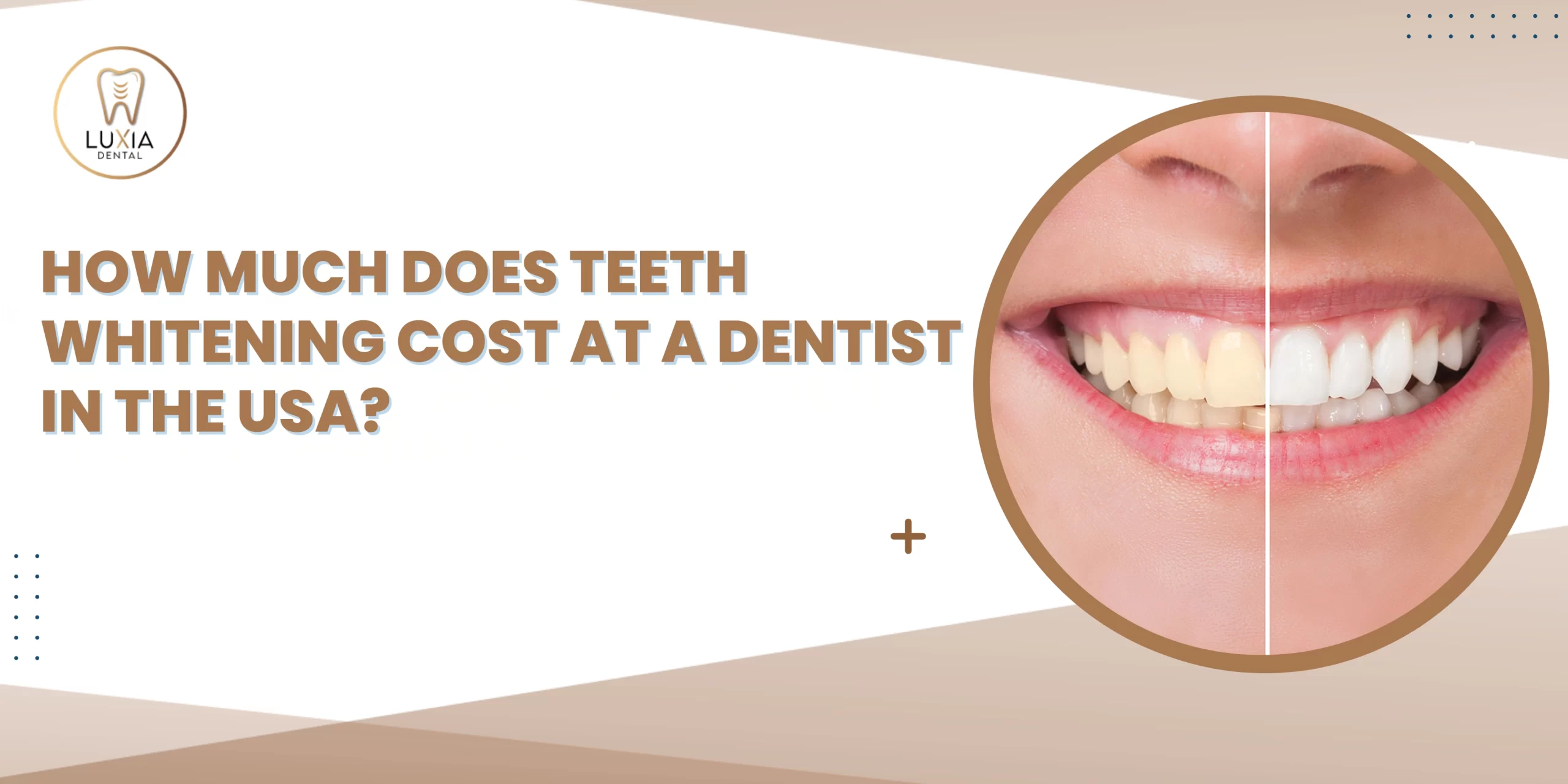
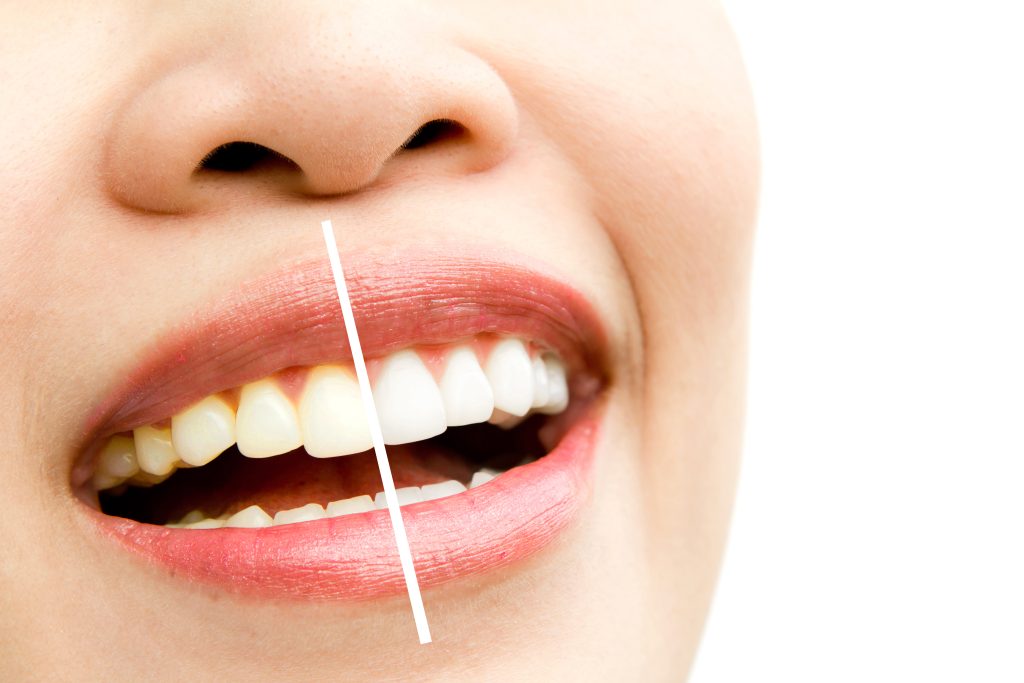
Teeth whitening is a cosmetic dental procedure that removes stains and discoloration using professional treatments, whitening kits, or at-home products. The safest and most effective results are typically achieved through dentist-supervised whitening, with visible improvements in one to two sessions.
What Is Teeth Whitening?
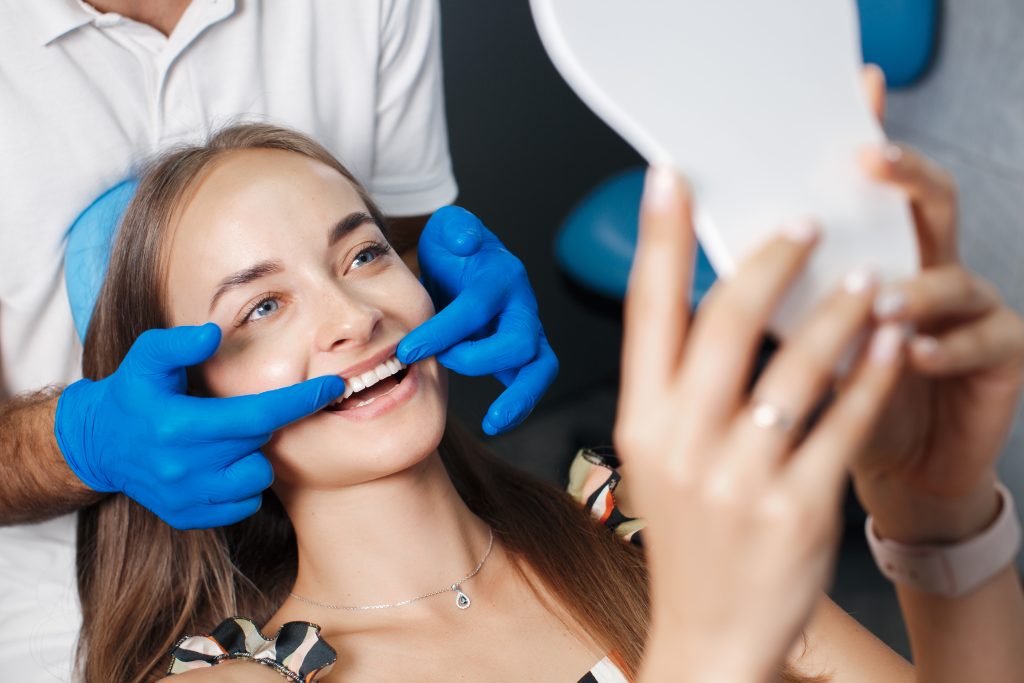
Teeth whitening is a professional cosmetic dental procedure designed to remove stains and discoloration from the enamel and dentin layers of teeth. It improves brightness without altering the structure of the tooth when performed correctly under professional supervision.
It will not harm your teeth if done properly. Whitening is only a change in the shade of the surface of your tooth, but not the structure of the tooth. It is among the most popular cosmetic dentistry procedures that are performed all over the world.
People frequently search for teeth whitening in my area since they are looking for an effective and safe treatment within their own home.
Why Do Teeth Become Yellow or Stained?
Tooth discoloration occurs due to both extrinsic (surface) and intrinsic (internal) staining. Understanding the type of stain helps determine the most effective whitening method.
Common causes are:
- Been drinking tea, coffee, or cola regularly
- Tobacco chewed or smoked
- Consuming dark-colored food
- Poor oral hygiene
- Aging
- Certain medicines
- Excess fluoride during childhood
Even a daily brushing routine cannot stop stains. This is why whitening can be beneficial.
Different Teeth Whitening Methods
Teeth whitening methods fall into two primary categories: professional in-office treatments and at-home whitening solutions. Each option varies in strength, speed, and cost
1. In-Office Teeth Whitening
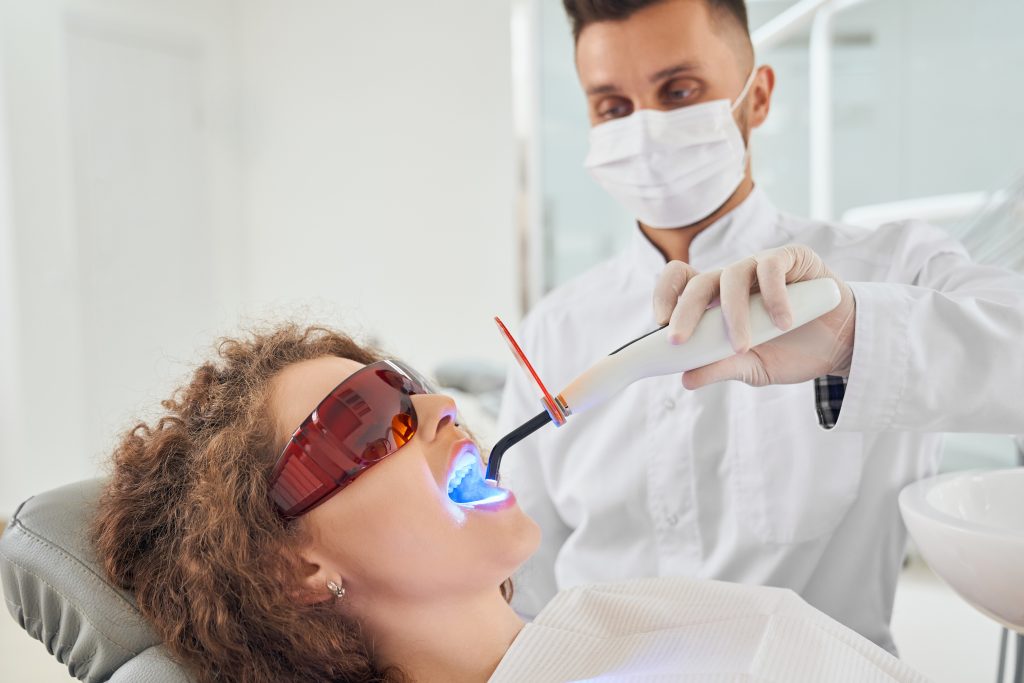
It is carried out by a dentist working in the clinic. It is the quickest and most efficient method. A powerful whitening gel is placed on the tooth, often with a specific light.
Results can be seen on the first visit. A lot of people opt for this method to get fast results for wedding interviews or for special events.
In-office whitening typically uses high-concentration hydrogen peroxide or carbamide peroxide, often activated with LED or laser technology for accelerated results.
2. At-Home Whitening Kits for Teeth from a Dentist
Dentists can provide you with a custom tray and whitening gel for you to use at home. This process can take anywhere from a few days to a few weeks, but it yields satisfactory results.
It’s more efficient and safer than products that are sold in stores.
3. Whitening Strips and Gels
They are readily available at pharmacies and on the internet. They’re affordable, but it takes longer to produce results.
For best results, brushing before applying whitening strips helps remove plaque and improve gel contact with enamel.
4. Whitening Toothpaste
They do not alter the color and natural appearance of your teeth; they can help eliminate any surface staining. They are great for maintaining after bleaching.
Is Teeth Whitening Safe?
One of the most common questions that people are asked is whether teeth-whitening procedures are safe. The answer is simple: yes, if done correctly.
Whitening your teeth is safe if:
- It is performed by a dentist who is trained
- The products that are approved for use are approved.
- Make sure that the instructions are followed correctly.
Certain people may experience some sensitivity, but only for a brief period of time. The sensitivity usually fades away after some days.
Problems arise only when people make excessive use of the whitening product or choose to use low-quality, untested, uncertified products without any instructions.
Professional vs At-Home Teeth Whitening
Professional Whitening
- Immediate results
- Higher peroxide concentration
- Supervised by dentist
- Higher cost
At-Home Whitening
- Gradual improvement
- Lower strength formula
- Budget-friendly
- May require weeks
How to Maintain Results
Another question that is frequently asked one of the most frequently asked questions is how long the teeth whitening process will last.
The effects aren’t permanent. Whitening lasts between a few months and two years, based on the habits you follow.
If you
- Avoid coffee, tea, red winee
- Use straw for staining drinks.
- Maintain professional cleanings
- Use whitening toothpaste weekly
- Schedule touch-ups annually
The results of your whitening will last longer. The touch-up treatment helps maintain brightness.
How Long Does Teeth Whitening Take?
In-office whitening typically takes 60–90 minutes per session. At-home dentist-supervised kits may take 1–2 weeks, while over-the-counter products require consistent use for 2–4 weeks for visible improvement.
How Much Does Teeth Whitening Cost in the USA?
The average cost of professional teeth whitening in the United States ranges between $300 and $800 per session, depending on the clinic location and whitening system used. Custom take-home trays typically cost $150 to $400, while over-the-counter kits range from $20 to $150.
The cost varies based on:
- Methods of whitening
- Clinic Location
- Dentist experience
- Sessions per session
In-office whitening can be more costly than home kits, but it gives more rapid results. People often are interested in the cost of bleaching with a dentist. Professional treatments are more expensive due to the use of high-quality materials and expert treatment.
If you’re looking for affordable cosmetic dental services near me, numerous clinics provide packages and EMI plans.
Teeth Whitening and Cosmetic Dentistry
Teeth whitening is only one aspect of cosmetic dental services. Cosmetic dentistry is a way to improve the appearance of teeth as well as the smile.
Other procedures for cosmetic dentistry that are common include:
- Dental veneers
- Dental bonding
- Smile makeover
- Teeth alignment
Cosmetic and family dentistry clinics offer treatments for patients of all ages, from infants to the elderly.
Advanced cosmetic dentistry makes use of modern technologies and tools to give superior and long-lasting results.
People are often looking for the most reputable cosmetic dentist near me in order to receive secure and trustworthy treatment.
Types of Teeth Stains and Why Whitening Works
Teeth stains are generally classified into two types:
Extrinsic Stains
These occur on the outer enamel layer due to coffee, tea, smoking, or colored foods. These stains respond very well to professional teeth whitening treatments.
Intrinsic Stains
These develop inside the tooth structure due to aging, trauma, medications, or excessive fluoride. Intrinsic stains may require stronger whitening procedures or cosmetic solutions like veneers.
Why this helps:
- Semantic depth
- Explains whitening scientifically
- Competes with authority sites
Who Should Avoid Teeth Whitening?
Teeth bleaching is not recommended for everyone.
Avoid the use of whitening agents when:
- You are pregnant
- If you have gum disease, it’s a sign.
- If you have cavities that are not treated, it is a sign of a problem.
- You have extremely sensitive teeth.
In such cases, consult a dentist first.
How to Maintain White Teeth After Whitening
The process of maintaining results is straightforward when you stick to simple routines.
- Brush twice a day
- Floss frequently
- Limit staining foods
- Rinse your mouth after drinking tea or coffee.
- Visit a dentist every six months.
These practices also reduce the need for procedures like root canal surgery near me in the future.
Benefits of Professional Teeth Whitening
Professional whitening has many benefits.
- Faster results
- Safe materials
- Expert supervision
- Even the whitening
- Long-lasting impact
This is the reason why many people choose dental services that are professional and reliable instead of random products available online.
Common Myths About Teeth Whitening
A lot of people believe in false information regarding the process of whitening.
A few common myths are:
- Teeth are permanently damaged by whitening.
- The whitening process weakens teeth
- Whitening is reserved for celebrities only.
In fact, if done correctly, whitening is secure and safe for normal people.
Choosing the Right Dentist
Selecting the right dentist is essential for safe outcomes.
Find:
- A skilled cosmetic dentist
- Clean clinic
- Good patient reviews
- Clear pricing
Clinics that provide cosmetic and family dental care usually offer comprehensive services under one roof.
Teeth Whitening and Dental Implants
Whitening does not affect dental implants. Implants do not change color. If you are a patient of cosmetic dental implants and dental dentistry your dentist could alter the shade of the crowns after the whitening process.
Conclusion
Teeth whitening is an easy and efficient method of improving your confidence and smile. It’s among the most secure cosmetic dental procedures, provided it is done properly and under the supervision of a professional. With the variety of options available, you can pick the one that best suits your needs and budget. Knowing the costs, safety, and results can help you make an informed choice. Be aware that whitening isn’t permanent. However, good oral hygiene will help the results last longer. Always consult with an experienced dentist before beginning any whitening procedure. A healthy mouth and a beautiful smile go hand-in-hand, and proper dental hygiene is crucial to both.
Medical Review & Author Information
Reviewed by: Dr. Manpreet Dhanjal, DDS, BDS – Family & Cosmetic Dentist in Indianapolis
Dr. Dhanjal specializes in cosmetic dentistry procedures including professional teeth whitening, enamel care, and smile enhancement treatments.
FAQs About Teeth Whitening
1. Are teeth whitening products suitable for use regularly?
Products for whitening teeth are not recommended for use daily unless recommended by a dentist. In excess, they can cause sensitiveness and enamel damage; therefore, always seek the advice of a professional.
2. How much will the cost of teeth whitening be at an appointment with a dentist?
The price is dependent on the method used and the clinic. Professional whitening is more expensive than home kits, yet it provides more rapid, safe, and lasting results.
3. How long does the process of whitening teeth last?
The effects can last for several months up to two years. Maintaining good oral hygiene and avoiding foods that stain your teeth can help to keep your teeth lighter over a longer period of time.
4. Do I need to brush my teeth before using strips for whitening?
Brushing before applying whitening strips will remove food particles and plaque, which allows the strips to function more efficiently and uniformly.
5. Does whitening teeth replace other treatments for teeth?
The whitening process is not a cosmetic one only. Dental issues such as painful or infected teeth require appropriate treatment, like dental fillings or root canal treatments.