
A sudden, intense toothache is more than painful. It could disrupt your work, sleep, and everyday life. Although a visit to the dentist is vital to address the root of the issue There are effective methods to treat the discomfort and prevent issues prior to the appointment.
In this article we’ll look at the practical ways, home remedies as well as professional advice on how to handle the pain of a tooth efficiently.
Understanding the Causes of Severe Toothache
The cause of toothache could be different dental problems, such as:
- Dental decay or cavities Infections caused by bacteria can cause enamel breaking down, which exposes nerves.
- Gum infections (gingivitis also known as periodontitis) A swelling and inflammation around teeth causes pain.
- The tooth abscess is a tooth abscess caused by infection may result in a throbbing pain that is intense.
- Teeth that are damaged or cracked The effects of trauma, grinding or biting hard foods can expose the tooth’s inner layer.
- Wisdom teeth that are impacted may press against adjacent gums and teeth, causing discomfort.
Understanding the potential causes helps in determining the best techniques for pain management until medical treatment is offered.

1. Cleanse Your Mouth with Warm Salt Water
One of the easiest and most effective treatments is using warm salt water for rinses.
What can it do to help:
- Reduces inflammation and swelling
- The affected area is cleaned and stopping the growth of bacterial growth
- Temporary pain relief
Method Procedure: Dissolve half one teaspoon of salt in the warm water in a glass and swirl the salt in your mouth for between 30 and 60 minutes. Repeat several times throughout the throughout the day if you feel it is necessary.
2. Use Over-the-Counter Pain Relievers Carefully
OTC painkillers like acetaminophen and ibuprofen are able to aid in reducing toothache discomfort temporarily.
Tips to ensure safe use
- Follow the dosage instructions in the product’s label.
- Do not exceed daily limits.
- Avoid applying aspirin directly on gums or teeth because it could cause irritation to tissues.
These drugs are not an answer but they do help to manage discomfort until you go to the dentist.
3. Apply a Cold Compress
A cold compress can help reduce swelling and help numb the region for temporary relief.
Applying for a job:
- Cover ice with a clean, dry cloth.
- Place it on the cheek close to the tooth affected for 15 to 20 minutes.
- Repeat when needed.
This is especially helpful in cases where the toothache is due swelling or trauma.
4. Avoid Trigger Foods and Drinks
Certain beverages and foods can aggravate tooth pain, for example:
- Hot or cold items
- Foods and drinks that contain sugar
- Hard, crunchy food items
Instead, limit yourself to soft food and lukewarm drinks until you have a dental appointment. This will help prevent further discomfort or damage to the tooth affected.
5. Keep Your Head Elevated While Resting
If you lie down, blood may pool in the skull which can increase pressure and aggravate tooth pain.
TIP: Use a second pillow to ensure your head is elevated when you sleep or relax. This can help to reduce discomfort and throbbing in the evening.
6. Maintain Oral Hygiene Gently
Even when your tooth hurts keeping your mouth clean is vital to stop the spread of infection
- Use a gentle, soft-bristled brush.
- Floss carefully to eliminate food particles that have been trapped.
- Do not vigorously rinse if your tooth is bleeding or sensitive.
Clean teeth lower the burden of bacterial and reduce the chance of developing further complications.
7. Use Clove Oil for Natural Relief
Clove oil contains natural antibacterial and analgesic properties and is a well-known solution for toothaches.
How to utilize:
- Use a few drops of clove oil onto the cotton ball.
- It is placed gently on the gums and tooth affected.
- Allow it to sit for a couple of minutes and then take it off.
Take care not to consume clove oil or swallow it, and do not use it for too long, since it may cause irritation to the oral tissues.
8. Avoid Self-Medication Beyond Basics
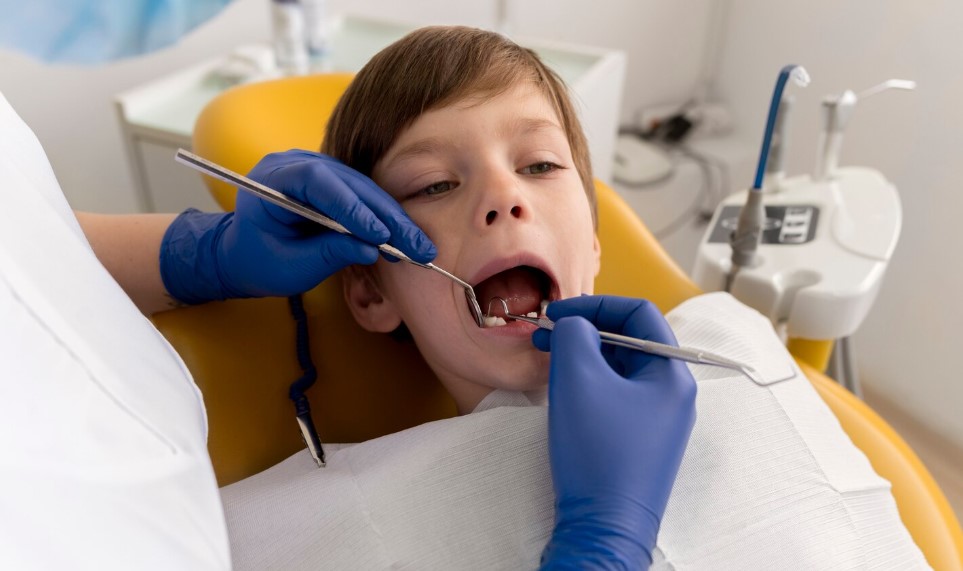
While home remedies may provide some temporary relief, do not self-medicate using strong painkillers or antibiotics that are not prescribed. Unintentional use may mask symptoms, increase the condition, or trigger side consequences.
A dentist can determine the root of the issue and recommend the appropriate treatment, whether that’s the filling of a tooth, a root canal or any other procedure.
When to Seek Emergency Dental Care
Certain toothaches are indicative of serious problems which require immediate attention for example:
- A severe swelling of the face or jaw
- Chills or high fever
- A difficulty swallowing or breathing
- Instroducing, persistent pain that does not respond to OTC medications
If you notice any of these signs, don’t wait until an annual dental appointment. Go to the emergency dental clinic or visit the hospital right away.
Also read – Why Regular Dental Checkups Keep Your Teeth Healthy
Conclusion
A severe toothache isn’t something to avoid. Although home remedies such as hot saltwater rinses cold compresses OTC painkillers and clove oil could offer temporary relief but they are not a substitute for the need for professional dental treatment.
The best way to avoid permanent damage is to make appointments for a dental visit quickly and avoid activities that can aggravate the problem. If you combine careful home care along with prompt professional attention it is possible to minimize the pain and ensure your oral health efficiently.
FAQs
1. Do I have to overlook a toothache that is gone for a few minutes?
Even a brief relief does not mean that the issue is solved; the root causes could become worse if not treated.
2. Can you safely apply clove oil to toothache?
Yes, but in small amounts applied externally, but beware of taking it in large doses and using for long periods of time.
3. What is the best time to see an urgent dentist?
Get medical attention immediately if you are suffering from severe swelling and fever, or trouble breathing or swallowing.
4. Can OTC painkillers relieve toothaches?
They are only temporary relief from pain until the underlying problem is resolved.
5. What can you do at home to be used to prevent further toothaches?
Keep your teeth clean and flossing regularly and limit the consumption of sugary foods and make sure you visit your dentist regularly to examinations.