Gum issues are quite widespread, yet a lot of people aren’t taking them seriously. The most neglected gum issues can be receding gum. Most people are aware of it only when their teeth appear longer or if they are feeling pain after sipping something cold.
Gum recession is not a thing that happens in a flash. It occurs slowly, in a quiet way, and usually without pain during the early stages. It is the reason that many avoid it until it gets more serious.
This is a comprehensive receding gums treatment guide and is written with simple language. Even if you don’t know anything about oral health, you’ll be able to comprehend the whole thing clearly.
The guide below we’ll discuss:
- What is the real meaning of gum recession
- How come gums begin receding?
- Signs that you are in the early stages to not overlook
- The most effective treatments for gum recession alternatives
- The way periodontal treatment can help save your gums
- Simple habits that can be used every day to prevent gum recession
What Is Gums Recession? (Very Simple Explanation)
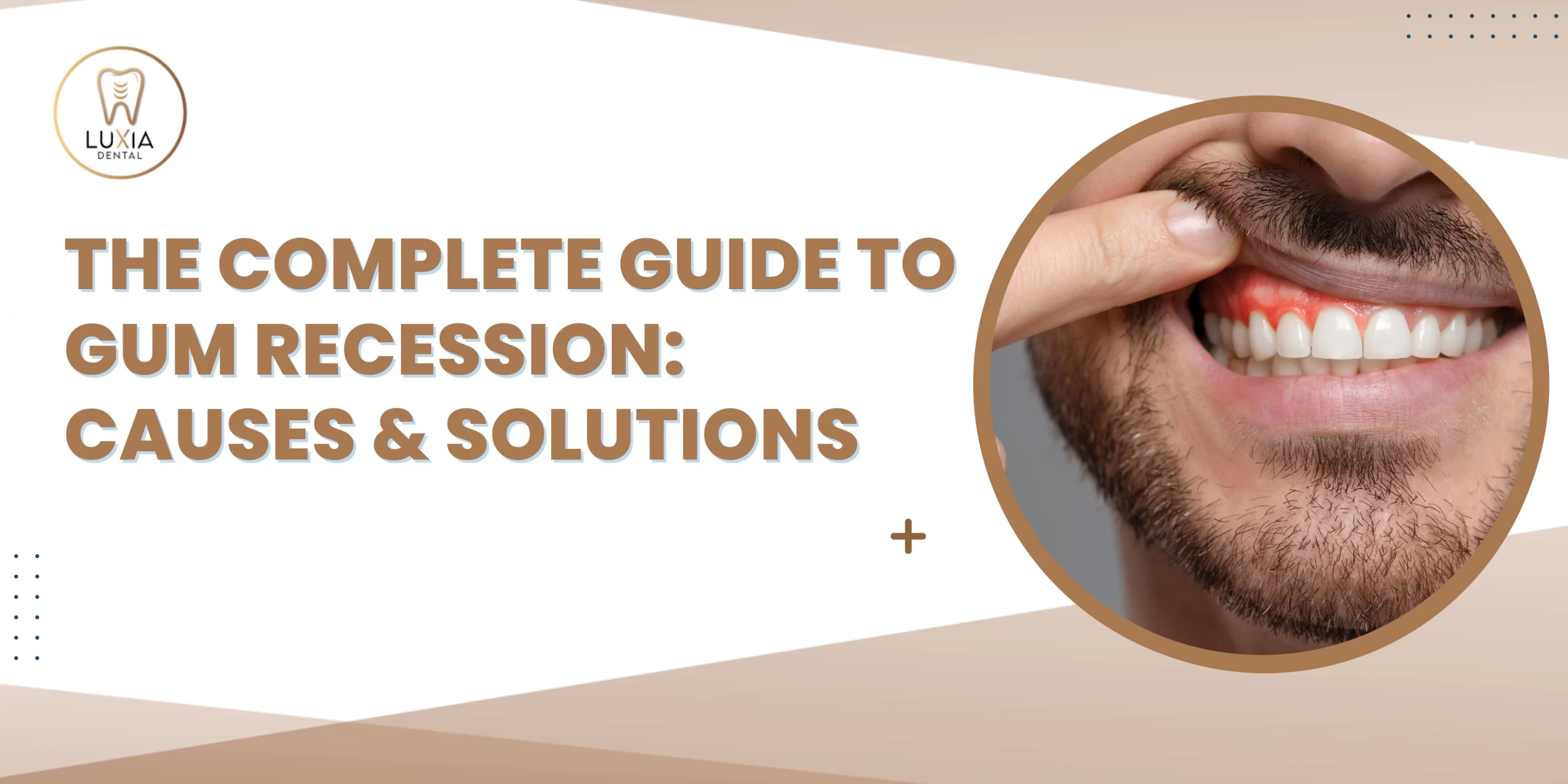
Gum recession refers to the fact that your gums gradually move away from your teeth.
When gums recede:
- Tooth roots are visible
- Teeth look longer
- Sensitivity grows
Healthy gums must protect and cover your teeth. If gums are pulled back, they expose the roots, which can lead to numerous problems.
This is the reason gum recession requires care in addition to periodontal treatment.
Why Gum Recession Is a Serious Problem
A lot of people believe that gum recession is an issue of cosmetics. It’s not the case.
Gum recession could lead to:
- Tooth sensitive
- Tooth decay and roots
- Gum infections
- Tooth loosening
- Tooth loss
It is for this reason that learning the correct dental recession therapy is vitally important.
How Common Is Gum Recession?
Gum recession is a common occurrence.
It is a problem that affects:
- Young adults
- People of middle age
- Older adults
If you don’t follow proper periodontal hygiene, you could develop receding gums.
Early Signs of Gums Recession
Gum recession typically begins gradually.
The most common early signs are:
- Teeth looking longer
- Mild sensitization to hot or cold
- Bleeding during brushing
- Gums look thin
- Notches in the gum line
These warnings are crucial within this growing gums’ guide.
Main Causes of Gums Recession
Knowing the cause can be the initial step towards the correct treatments for gum recession.
1. Aggressive Brushing
Too hard brushing is one of the most frequently cited reasons.
This is the case, it happens when:
- You can use a hard tooth
- Brushing with excessive pressure
- You clean your teeth in a brutal back-and-forth movement
In time, this causes damage to gum tissue, which leads to recession.
2. Poor Oral Hygiene
The lack of proper cleaning can allow bacteria to accumulate.
Plaque causes:
- Gum inflammation
- Gum infections
- Tissue damage
In the absence of proper periodontal hygiene, Plaque gradually destroys gums.
3. Gum Disease (Periodontal Disease)
Gum disease can be the most significant reason for gum recession.
It can cause:
- Infection in the gums
- Bone loss
- Gum tissue breakdown
Gum disease that is advanced requires expert treatment for recession of gums.
4. Teeth Grinding and Clenching

Grinding places extra pressure on gums and teeth.
This tension:
- Gum attachment for Weakens
- Bones are damaged, and bone support is affected.
- Increases the speed of gum recession
Grinding teeth is an important aspect of the receding gums’ guide.
5. Hormonal Changes
Changes in hormones influence the health of your gums.
Common scenarios are:
- Pregnancy
- Menopause
- Puberty
A hormonal imbalance causes gums to become more susceptible to recession and sensitive.
6. Smoking and Tobacco Use
Smoking decreases the flow of blood to the gums.
This is the reason:
- Weak gum tissue
- Slow healing
- Greater risk of contracting infections
Excellent periodontal health gets more difficult with smoking.
7. Genetics
Certain people naturally have thinner gums.
If gum issues run in your family members:
- You could experience recession in the early stages.
- Additional care is required.
This makes the treatment of gum recession extremely important.
8. Misaligned Teeth or Bite Problems
Inadequate pressure applied to teeth may harm the gums.
This results in:
- Localized gum recession
- Bone stress
Orthodontic treatment could be an integral part of a guide for receding gums.
How Gum Recession Affects Your Teeth
When gums recede:
- Teeth root surfaces are visible
- Roots are less brittle than enamel
- Decay happens faster
This is the reason the need for periodontal treatment is vital to maintain the long-term health of your teeth.
Gum Recession and Tooth Sensitivity
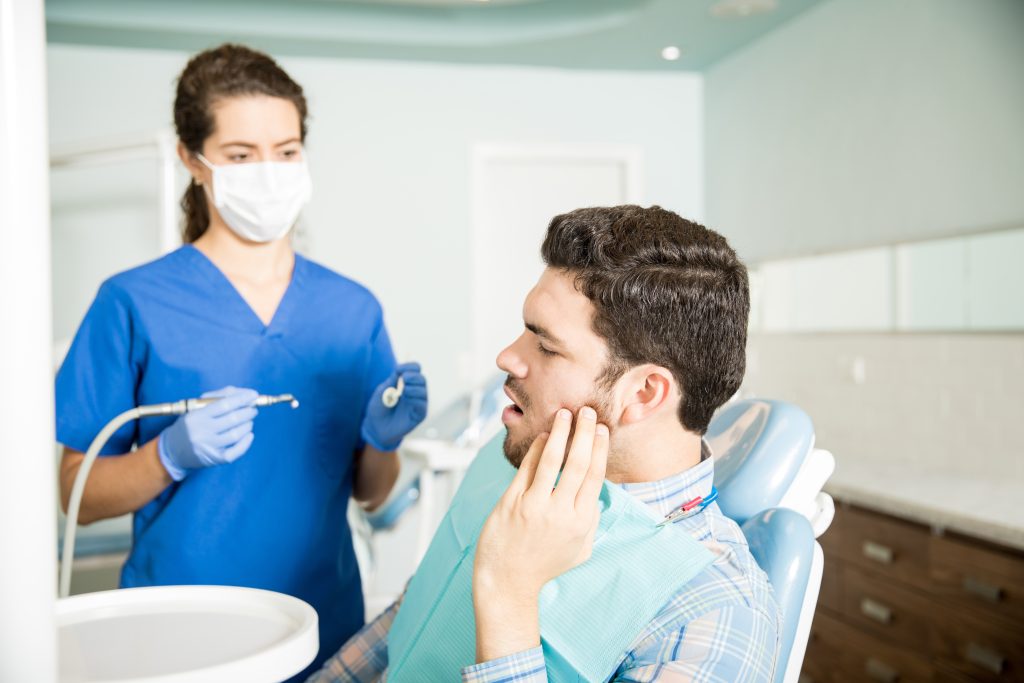
Exposed roots are extremely sensitive to:
- Cold drinks
- Hot food
- Sweet items
Sensitivity is usually the primary reason why people seek gum recession treatments.
Stages of Gum Recession
Gum recession is a process that occurs in phases.
The beginning of the stage
- Mild gum pulling
- There is little or no
Middle stage:
- Visible roots
- Sensitivity grows
Advanced stage:
- Loose teeth
- The risk of tooth loss
The receding gums guide can help you take action in the early stages.
How Dentists Diagnose Gums Recession
Dentists examine:
- Gum level
- Pocket depth
- Bone support
It is possible to use X-rays in order to plan the proper periodontal health.
Gums Treatment Options
Let’s talk about solutions.
1. Improving Oral Hygiene
First step: to improve routines.
This includes:
- Make use of a soft brush
- Gentle brushing technique
- Regularly flossing
Regularly scheduled care helps with dental recession treatments.
2. Professional Dental Cleaning
Deep cleaning is a great way to remove:
- Plaque
- Tartar
- Gums are infected with bacteria.
This is the most fundamental element of periodontal health.
3. Scaling and Root Planing
This is a thorough cleaning process.
It:
- Cleans deep gum pockets
- Smooths tooth roots
- Gums can heal
It is a crucial method for treating gum recession. Technique.
4. Gum Grafting Surgery
For more severe instances, surgery might be required.
Gum grafting:
- Covers exposed roots
- Guards teeth
- Enhances appearance
This is a step up from the receding gums tutorial.
5. Treating Teeth Grinding
Controlling grinding eases the pressure on the gums.
This could include:
- Night guards
- Management of stress
This is a way to ensure long-term periodontal health.
6. Orthodontic Treatment
Correcting bite issues
- Reduces uneven pressure
- Guards gums
It could be part of the complete dental recession therapy.
Home Care Tips to Stop Gum Recession
The daily habits of our lives are very important.
Simple Daily Habits
- Make sure you brush gently twice a day
- Use a soft toothbrush
- Be sure to floss your hair
- Rinse your mouth after eating
These habits are a great help to the need for periodontal treatment.
Lifestyle Changes
- Stop smoking
- Reduce stress
- A balanced diet is essential.
- Make sure you drink enough water.
These changes slow down the recession of gums.
Foods That Help Gum Health
Healthy gums need nutrients.
Helpful foods include:
- Fruits and vegetables
- Dairy products
- Nuts and seeds
A healthy diet can aid in receding gums by itself.
Can Gum Recession Grow Back?
This is a frequent question.
- Recessions that are mild can be stabilized.
- Gum tissue lost to gum disease typically does not regenerate.
- Early treatment can prevent the condition from getting worse.
This is the reason the gingival recession manual emphasizes the importance of early action.
Why Periodontal Care Is Important
Periodontal treatment concentrates on bone and gum health.
It can be helpful:
- Stop infections
- Save your teeth
- Improve overall health
The lack of attention to your gums can hurt the entire body.
Gum Recession and Overall Health
Gum health issues can be linked to:
- Heart disease
- Diabetes
- Insufficient immunity
This is what makes periodontal hygiene all the more important.
How Often Should You Visit a Dentist?
Regular visits are essential.
Recommended:
- Every 6 months
- Gum issues are more often the cause.
Regularly scheduled check-ups aid in the early treatment of gum recession.
Myths About Gum Recession
Myth Gum recession is a normal occurrence in old age.
Truth: This can be avoided by taking care of it properly
Myth: Gum issues aren’t major
The truth is that they could lead to tooth loss
This guide to receding gums helps to eliminate many common misconceptions.
Long-Term Effects of Ignoring Gum Recession
The inattention to gum recession could result in:
- Infections grave
- Bone loss
- Tooth loss
- Treatments that cost a lot
The early periodontal treatment can save time and cost.
Final Thoughts
Gum recession may be a gradual but serious issue. It isn’t a cause of pain initially. This is the reason why most people do not bother with it. But the damage goes on for a long time.
This comprehensive guide to receding gums manual illustrates:
- Gum recession can be prevented
- An early receding gum treatment is recommended.
- A good periodontal treatment ensures that your teeth are protected throughout your life.
Healthy gums mean healthy teeth as well as a beautiful smile.
Frequently Asked Questions (FAQs)
1. Can gum recession be reversed?
The gum tissue that has been lost will usually not recover, but early intervention can prevent the condition from getting worse.
2. Is gum recession painful?
In the beginning, there is a chance that it won’t be painful. Sensitivity and pain will get worse as the recession worsens.
3. How long will the gum recession treatment last?
The length of treatment depends on the severity and may range from weeks to months.
4. Does home care help stop the recession of gums?
The proper home care will slow and limit further damage, but can’t fix serious cases.
5. When should I visit my dentist to treat gum recession?
If you begin to feel sensitivity, bleeding, or gums that are pulling back, you must consult your dentist.