Gum Pain While Brushing: Causes, Warning Signs & When to See a Dentist in the US
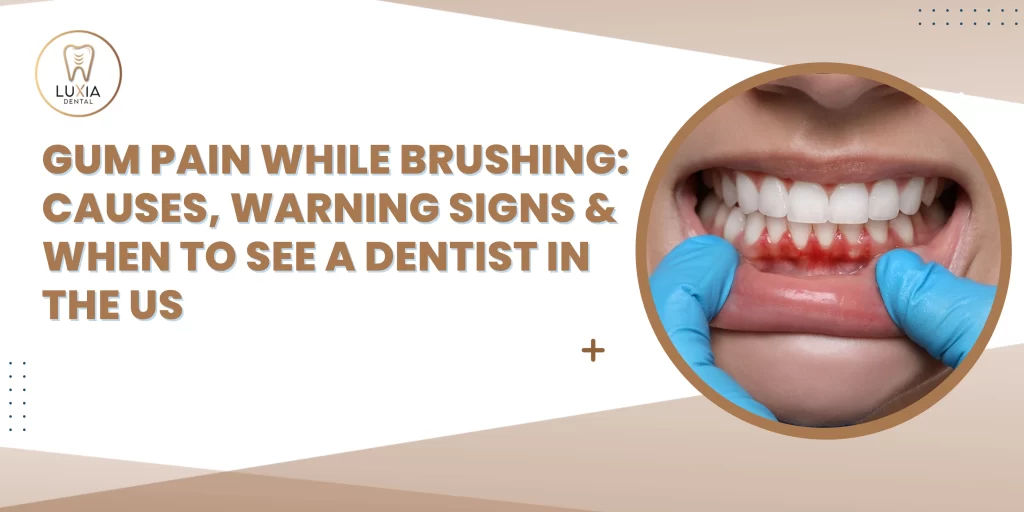
A feeling of gum pain when brushing is a concern, particularly if it occurs suddenly or continues to occur. A lot of folks in the US have this issue at some point; they tend to ignore it, believing it’s normal. In reality, pain in the gums isn’t something you can ignore, particularly if it is frequent. Sometimes, pain in the gums while brushing can be caused by simple habits such as cleaning too vigorously. Sometimes, it could be an indication of more serious dental health issues that require medical care. Knowing the difference is crucial to protecting your gums and teeth. Gum pain while brushing is often caused by inflamed or irritated gum tissue due to plaque buildup, aggressive brushing, receding gums, or gum disease. Healthy gums should not hurt during brushing — persistent pain, bleeding, or swelling indicates a need for professional evaluation. What Does Gum Pain While Brushing Mean for Your Oral Health? Gum pain while brushing usually indicates irritation, inflammation, or early gum disease. Gum discomfort while brushing is when your gums feel tender, sore, or sore when your toothbrush comes into contact with the gums. The pain could be moderate or sharp. It may also be burning. A few people also experience bleeding in conjunction with pain. Healthy gums shouldn’t hurt when you brush. In the event that they are, it’s because something is causing irritation or harm to teeth. The irritation may be temporary or lasting, based on the underlying cause. Common Symptoms That Come With Gum Pain While Brushing Gum pain is rarely a single event. There may be other indications that suggest that your gums aren’t healthy. These signs can help determine if the issue is serious or minor. Common Causes of Gum Pain While Brushing The root causes of gum pain while brushing range from simple brushing technique issues to early gum disease like gingivitis or periodontitis. There are many causes for gum pain when brushing occurs. Some of the causes are easy and simple to address, and others require professional medical attention. Several underlying issues can cause gum pain while brushing, ranging from simple brushing mistakes to gum infections. Brushing Too Hard and Wrong Toothbrush This is among the most frequent causes of gum discomfort. Many people believe that a harder brush will make their gums cleaner, but it actually causes harm to their gums. Plaque Build-Up & Poor Oral Hygiene If plaque isn’t cleaned appropriately, it forms on the lines of your gums. It is a common reason for gum pain when cleaning across the US. Gingivitis (Early Gum Disease) Gingivitis is the initial stage of gum disease. It is the main cause of gum pain. One of the most common causes of gum pain while brushing is gingivitis, the early stage of gum disease. There is good news: that gingivitis is treatable with the proper care. Receding Gums As gums separate from the teeth and expose vulnerable areas. The receding gums can cause gum pain during brushing, even when using gentle pressure. Mouth Sores or Ulcers Small cuts or sores on the gums can trigger sharp pain. However, any sores that appear frequently must be examined by a dentist. Hormonal Changes Changes in hormones can cause gums to become more sensitive. These changes may cause more gum pain when brushing, even when you have good oral hygiene. Vitamin Deficiency The absence of certain vitamins can affect the health of your gums. It could result in gum pain when brushing. Teeth Grinding or Jaw Clenching Tooth grinding puts pressure on the gums. A lot of people don’t realize the grind of their teeth. When Gum Pain While Brushing Is Not Serious Is gum pain harmless in certain cases? Sometimes, it’s just temporary and completely harmless. There’s no need to be concerned in the event: In these situations, brushing techniques can be improved oral health care, which typically solves the issue. When Gum Pain While Brushing Becomes a Warning Sign Persistent gum pain while brushing can signal serious dental problems. Sometimes, tooth pain when brushing could be an indication of a larger issue. If you ignore it, it could lead to more serious dental problems. Warning signs you should never ignore: These symptoms usually indicate gum disease or an infection. When to See a Dentist in the US You should see a dentist in the US if gum pain while brushing interferes with daily life, persists, or is accompanied by bleeding, swelling, or loose teeth. If gum pain while brushing lasts more than a week, it is time to consult a dentist in the US. A visit to the dentist in the early stages can help your teeth and gums. In the US, dentists advise against taking too long. It is recommended to see a dentist for the following reasons: Dental appointments help to identify the root cause of problems and can help avoid complications. How Dentists in the US Diagnose Gum Pain Dentists diagnose gum pain by examining the gums visually, measuring periodontal pockets, and assessing plaque/tartar buildup. Dentist in the US employ simple techniques to identify the reason. This aids in forming the appropriate treatment program. Treatment Options for Gum Pain While Brushing The treatment depends on the root and the severity. Improving Daily Oral Care In mild cases, a few adjustments work. Treatment for gum pain while brushing depends on the underlying cause. This can be enough to decrease the pain of brushing your gums. Professional Dental Cleaning Dentists take care of tartar and plaque buildup. This is highly effective for gum disease. Medicated Mouthwash Antibacterial mouthwash can fight infections. Dentists frequently recommend this procedure. Treating Underlying Conditions If the discomfort is caused by the grinding or misalignment of the joints: The root of the issue is crucial. How to Prevent Gum Pain While Brushing Prevention is simple, but effective. Good habits help protect gums throughout life. Medical Review & Author Information Reviewed by: Dr. Manpreet Dhanjal, DDS, BDS – Compassionate Family & Cosmetic Dentist in Indianapolis
10 Habits That Protect Your Teeth from Decay
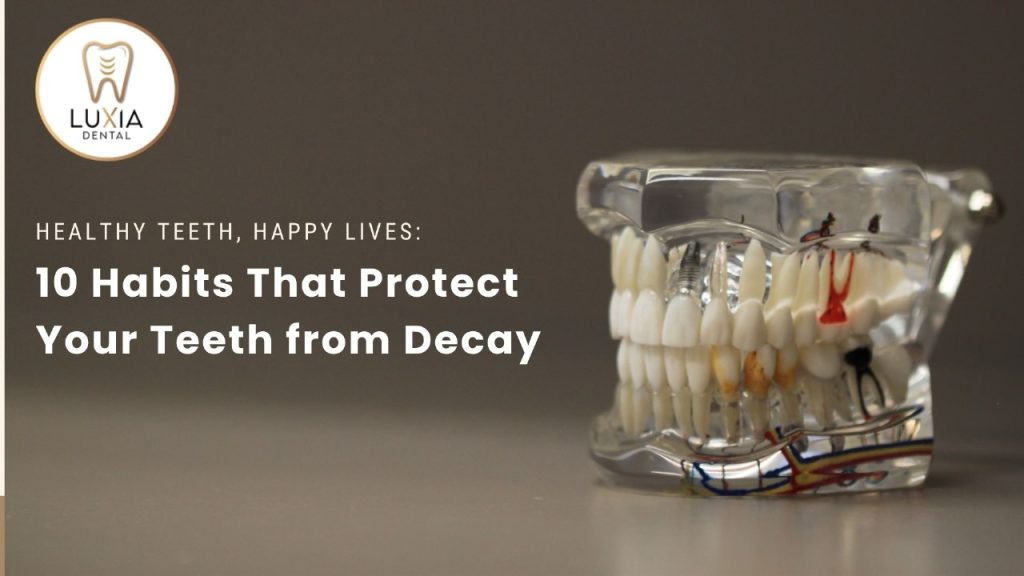
A beautiful smile is more that a symbol of beautyit’s a reflection on your overall well-being. Dental decay, which is among the most frequent dental problems throughout the world, tends to develop slowly but it can result in gum disease, cavities or even tooth loss if neglected. The good news is that preven ting tooth decay doesn’t require costly treatment or complex routines — just regular, mindful practices for oral hygiene. If you’re interested in keeping your teeth healthy and your smile sparkling Here are 10 dentally recommended ways to help protect dental decay from occurring and encourage long-term dental health. 1. Brush Twice a Day — the Right Way It might sound simple however, brushing twice per day is the foundation for proper dental hygiene. The real key is in the way you brush. Make sure you use a soft-bristled, soft-bristled tooth fluoride toothpaste. Brush for a minimum of two minutes, encompassing all surfaces, including front, back and chewing zones. Circular motions that are gentle and gentle help get rid of plaque without harming the teeth or the gums. Avoid vigorous brushing because it could wear away enamel and trigger sensitization. The best time to brush is between breakfast and bedtime when the bacteria are at their peak. 2. Don’t Skip Flossing The brush cleans around 60 percent of the teeth surface. The remainder is between your teeth, where the toothbrush isn’t able to reach. This is where flossing becomes crucial. Flossing every day helps remove plaque and food particles that are trapped to prevent the buildup of bacteria which causes gum disease and decay. If flossing with traditional methods is too difficult Try floss pieces or water flossers to make it easier. This simple step every day can make the world of impact in defending your teeth from decay-prone zones. 3. Rinse your mouth with a fluoride rinse Fluoride is a naturally occurring mineral which strengthens enamel on teeth and can reverse the tooth decay early. Utilizing a fluoride mouthwash following flossing and brushing gives you extra protection. Rinse for 30 seconds at least once or twice daily. It assists in removing any leftover debris also reduces bacteria and helps freshen breath. For those who are prone to developing dental cavities or have sensitive teeth, alcohol-free mouthwashes can be an alternative that is gentler and provides benefits to fight cavities. 4. Maintain a Tooth-Friendly Diet The food you consume has direct effects on the health of your mouth. Certain foods are good for your teeth while others aid in the growth of bacteria that cause decay. A healthy diet not only improves your body’s health, but ensures that your smile stays bright and healthy. 5. Drink Plenty of Water Water is the most basic and most effective defense against tooth decay. It cleanses food particles, diluents acids and keeps the pH of your mouth. The fluoridated water that is found in a majority of municipal supply provides an additional layer of protection, by strengthening enamel. Drink plenty of all day long, particularly between meals, snacks or drinks that contain sugar. This neutralizes acids and stops bacteria from getting into your teeth. 6. Avoid Frequent Snacking and Sugary Drinks Each when you consume something that is sugary your mouth turns into an acidic place for bacteria. The more often you snack and drink, the less time your saliva spends in order to remove these acids. To guard your teeth: In between meals and snacks, you give your teeth a chance to recuperate and also strengthen enamel naturally. 7. Visit Your Dentist Regularly Even even with the best home-based care, regular dental visits are crucial. Every six months, regular check-ups enable your dentist to spot early indications of gum disease or enamel loss. Professionally cleaned teeth remove hardened plaque (tartar) that flossing and brushing alone won’t get rid of. The dentist may apply fluoride treatments as well as sealants to guard your teeth against decay. Dental hygiene is preventive and not reactiveby identifying issues early, you save both money and time as well as discomfort later. 8. Protect Your Teeth During Sports and Night Grinding Stress and physical activity can cause dental problems in a variety of unexpected ways. These simple measures of protection will help prevent long-term damage and costly dental repair. 9. Avoid Tobacco and Limit Alcohol The use of tobacco and alcohol can cause harm to your liver or lungs but also create havoc on your oral health. Reducing alcohol and smoking consumption can significantly improve dental hygiene, breath freshness and overall health. 10. Chew Sugar-Free Gum After Meals Chewing gum that is sugar-free for 10 to 15 minutes following eating increases saliva production — which is your body’s natural defense against decay. Saliva neutralizes acids and washes away food particles and aids in remineralizing enamel. Select gums that contain xylitol, natural sweetener, which combats the bacteria that cause cavities. It’s an easy, go-to routine that keeps your teeth clean, fresh and safe during meals. The Psychology Behind Good Oral Habits Maintaining a healthy mouth isn’t just about routine, it’s about the mindset. Psychologists stress that habits develop by repetition and rewards. By relating flossing and brushing in confidence, self-care as well as your own you can reinforce positive behaviors. Dental hygiene is also a factor in your self-image and mental well-being. A healthy, clean smile increases self-esteem, builds confidence in social situations, and lowers anxiety levels. The idea of treating your teeth as a aspect of overall wellness helps you remain consistent and stay focused. Conclusion Prevention of dental decay doesn’t require perfect and more about regularity. If you follow these 10 habits such as flossing, brushing and staying hydrated by drinking water, eating with care and going to the dentist and a dentist regularly, you will be able to safeguard your teeth for the foreseeable future. Healthy teeth are the basis of a healthy smile and a healthy body. Start by making small, lasting adjustments, and with time it will become second nature. Make
Why Regular Dental Checkups Keep Your Teeth Healthy
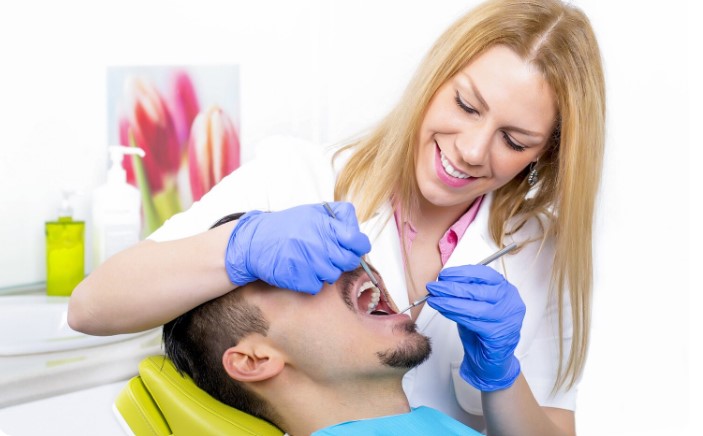
You think regular dental exams are only about keeping your teeth clean? Don’t think so. Regular dental cleaning is your best defense against health issues that begin within the mouth. We at Luxia Dental emphasize regular visits not just for aesthetic reasons, but also to ensure the overall health of your wellbeing. 1. Early Detection of Oral Problems One of the greatest benefits of regular dental check-ups is the early detection. Catch Cavities and Decay Before They Worsen The tooth decay isn’t a sign at the beginning of its development. When you begin to feel pain, it’s typically too late for a quick treatment. In Luxia Dental, your dentist utilizes diagnostic tools such as intraoral cameras and digital X-rays to detect decay early, saving your teeth and avoiding costly treatment later. Identifying Gum Disease in Its Early Stages Do you realize that more than fifty percent of U.S. adults have some gum disease? The positive side is that early-stage gum disease (gingivitis) is completely curable if it is detected early. Regular visits to your dentist allow them to check the health of your gums and take action before it deteriorates into periodontitis. This can result in loss of teeth and bone damage. 2. Professional Cleaning Prevents Major Issues Even if you floss and brush perfectly, you’re likely to miss certain spots. That’s where expert cleaning services can make a big difference. The Role of Plaque and Tartar Plaque is a sticky layer of bacteria. If it’s not cleaned out, it will harden into tartar, which you are unable to eliminate at home. The buildup causes gum irritation and infection. Hygienists at Luxia Dental use ultrasonic instruments as well as gentle techniques for scaling to eliminate tartar in a safe and secure manner. Cleaning Techniques at Luxia Dental Luxia Dental offers personalized cleaning treatments that are based on your dental health. No matter if you need regular cleaning or deep periodontal scaling treatment, the team at Luxia Dental will make sure you leave with a sparkling, more polished, and healthier smile. 3. Boosting Your Overall Health Through Oral Care The Mouth-Body Connection Explained Studies have shown that there is a connection between oral health and other systemic diseases like heart disease, respiratory infections, and diabetes. Gum disease-related inflammation can exacerbate these conditions, and bacteria in your mouth may even get into the bloodstream. How Luxia Dental Supports Whole-Body Wellness By prioritizing dental health, Luxia Dental helps you improve your entire body’s health. The dental visit isn’t simply a routine cleaning. It’s an important way to avoid major health hazards. Fun Information: A person suffering from gum disease is two times as likely to get cardiovascular disease! 4. Maintaining a Bright, Confident Smile Who does not want an expression that makes heads turn? Cosmetic Perks of Regular Checkups Professional cleaning eliminates staining on the surface that is caused by tea, coffee, wine, tobacco, or even wine. Regular visits to the dentist make your smile appear more attractive. Customized Whitening & Polishing at Luxia Dental Luxia Dental also offers in-office treatment for polishing and whitening that is specifically tailored to your needs. Each visit leaves you looking and feeling more confident. 5. Establishing Long-Term Dental Habits Consistency leads to lifelong dental health. Establishing Trust in the Dentist you choose If you visit your dentist regularly, you establish an ongoing relationship built on trust. This will make you more likely to follow their advice to ask questions and remain proactive with your dental care. Encouraging Kids and Teens to Practice Dental Hygiene Children copy what they observe. Making frequent visits to Luxia Dental instills good habits early and helps avoid the possibility of future problems. 6. Monitoring Existing Dental Work Keeping Fillings, Crowns, and Implants in Good Shape Over time, the crowns, fillings, and implants may move, crack, or become damaged. Regular examinations allow you and your Luxia Dental provider to spot problems early and ensure the integrity of your dental work. What to Expect During a Dental Checkup at Luxia Dental Step-by-Step Examination Process What happens when you visit: Advanced Tech and Tools Used at Luxia Dental Luxia Dental uses state-of-the-art instruments like: Conclusion: Why Luxia Dental is Your Trusted Partner In the final analysis, the smile you have represents your overall health. Selecting Luxia Dental means choosing compassionate and expert treatment that is customized to your unique requirements. With the latest technology as well as a dedicated team and a steadfast commitment to preventive medicine, Luxia Dental ensures your teeth (and your entire body) remain healthy, beautiful, and pain-free for many years to come. Do not wait until you experience signs. Schedule your next dental exam at Luxia Dental and take control of your oral health today! FAQs on Regular Dental Visits 1. When should I schedule a dental check-up? The majority of people can benefit from having a dental check-up at least every six months; however, your dentist may suggest regular visits, based on your dental health. 2. Are dental checkups painful? Not at all! Modern dentistry, particularly in Luxia Dental, is gentle, fast, comfortable, and easy. 3. If I don’t attend dental exams for one year? The absence of visits increases the risk of 4. Do I still require a checkup even if I’m not experiencing any signs or symptoms? Yes! It is not uncommon for pain to be the first symptom that appears. Early detection of problems is possible before you notice anything. 5. Does my insurance pay for dental checks? The majority of dental plans cover regular examinations. Luxia Dental also offers affordable plans for those who don’t have insurance. 6. Are dental problems affecting other areas in my body? Yes. Gum disease and oral infections could influence your lungs, heart, or blood sugar level. This makes regular check-ups vital for overall well-being.