Healthy vs Unhealthy Gums: Visual Signs, Warning Symptoms & When to See a Dentist in the US
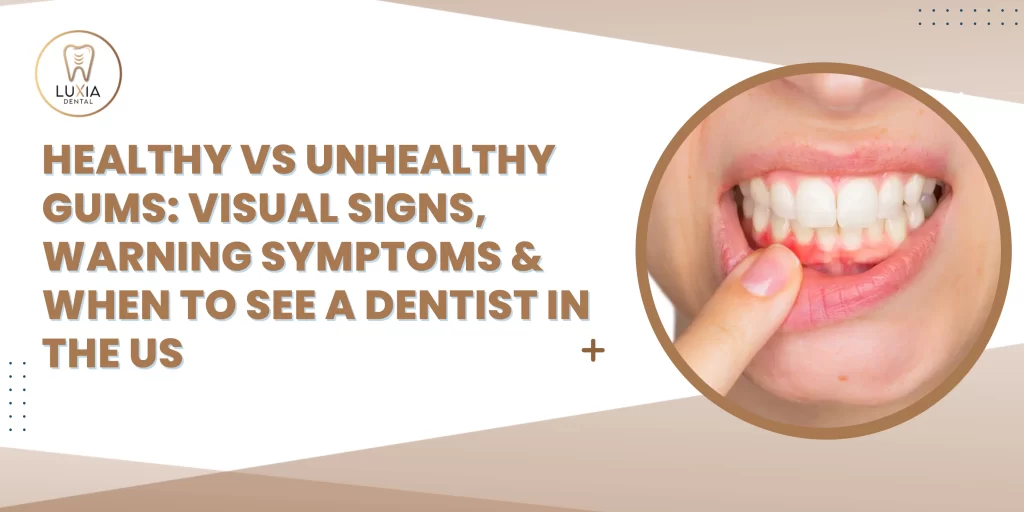
Many Americans tend to keep their teeth white but are not concerned about their gum health. The truth is that gums play an essential part in maintaining your mouth’s health. Understanding healthy vs unhealthy gums is essential for protecting your long-term oral health. If your gums are not taken care of and neglected, dental issues can occur in the background. Knowing the difference between Healthy vs Unhealthy Gums is the first step to healthier oral health. Gums usually show distinct visual signals when there’s something not right. If you can identify these indications early, you’ll be able to avoid pain, infections, and tooth loss. This article will explain healthy gums in a simple manner. Learn about what healthy gums look like, what unhealthy gums look like, typical warning signs, their factors, and when you should visit dental professionals throughout the US. Healthy gums are pink, firm, and do not bleed during brushing. Unhealthy gums appear red, swollen, tender, and may bleed easily. Recognizing the visual signs of unhealthy gums early helps prevent gum disease, tooth loss, and long-term oral health complications. Why Gum Health Is Important Understanding healthy vs unhealthy gums helps detect early warning signs before serious damage occurs. Gum health plays a critical role in protecting your teeth, supporting jawbone strength, and preventing infections. Healthy gums keep teeth stable and prevent bacteria from entering deeper tissues. Ignoring gum health can lead to gum disease, bad breath, tooth loss, and even systemic health issues like heart disease and diabetes. Maintaining healthy gums is the foundation of long-term oral health. Unhealthy gums can cause: That’s why knowing healthy gums and bad gums is crucial for each American. What Do Healthy Gums Look Like Compared to Unhealthy Gums? Healthy vs unhealthy gums can often be identified through simple visual differences.Gums that are healthy have a clear, solid, balanced, and firm appearance. They shield teeth from discomfort. Visual Signs of Healthy Gums Overcoming stress is one of the frequently seen visible signs of well-maintained gums: Healthy gums might appear slightly different from the skin tone, but they’ll appear strong and calm. How Healthy Gums Feel Healthy gums do not cause discomfort. If your gums feel relaxed each day, it is an indication of healthy gums and unhealthy gums tending towards healthier. What Do Unhealthy Gums Look Like? Gums that are unhealthy display clear warning indicators. This is not something to be overlooked. Recognizing unhealthy signs early helps prevent serious complications in the healthy vs unhealthy gums comparison. Visual Signs of Unhealthy Gums The most common signs of gum disease can be seen in: These symptoms usually signify gum disease or an infection. How Unhealthy Gums Feel Inflammation of the gums can be caused by unhealthy gums. These signs clearly demonstrate the differences between healthy and unhealthy gums. Healthy vs Unhealthy Gums: Color Differences Color changes are one of the most noticeable differences between healthy vs unhealthy gums. Healthy Gums Color Unhealthy Gums Color Color changes are usually the first indication of gum disease. Healthy vs Unhealthy Gums: Bleeding Signs Bleeding is not normal. Healthy Gums Unhealthy Gums Gums that are bleeding are a significant warning signal for healthy gums vs unhealthy contrast. Healthy vs Unhealthy Gums: Gum Line Shape The gum line can also reveal many things about the health of your gums. Healthy Gums Unhealthy Gums The appearance of receding gums is a significant indication of gum disease. Common Causes of Unhealthy Gums Understanding the causes can help prevent issues. Poor Oral Hygiene Inadequately flossing or brushing will cause plaque to form. This is among the main reasons Americans suffer from unhealthy gums. Smoking and Tobacco Use Smoking weakens gum tissue. Smokers can suffer from severe gum issues, but without any of the first signs of pain. Gum Disease (Gingivitis and Periodontitis) Gum disease can be the main reason for gum disease. This situation clearly illustrates the dangers of not paying attention to healthy vs. unhealthy gum indications. Poor Diet and Vitamin Deficiency The lack of nutrition affects the gums. Healthy eating promotes healthy gums. Hormonal Changes The hormonal changes that can affect gums can increase sensitivity. These changes may cause gum inflammation if dental care isn’t up to par. Why Americans Should Watch for Gum Changes In the US, gum diseases are very common, yet frequently ignored. A lot of people only visit a dentist if the pain is severe. Observing for visual signals helps: Learn to recognize healthy and unhealthy gums could save your smile. When to See a Dentist in the US If you notice signs of unhealthy gums, it is important to consult a dentist in the US immediately. A timely treatment will prevent any possibility of serious injury. How Dentists Check Gum Health Dentists make use of simple methods. This can help diagnose gum issues with precision. How to Maintain Healthy Gums Gum health is easy with regular care. Consistency is essential to stay on the safe side of healthy gums and unhealthy gums. Medical Review & Author Information Reviewed by: Dr. Manpreet Dhanjal, DDS, BDS – Compassionate Family & Cosmetic Dentist in Indianapolis Dr. Manpreet Dhanjal is a licensed dental professional with extensive experience in preventive, restorative, and cosmetic dentistry. She specializes in diagnosing gum disease, managing gum pain, and providing comprehensive oral health care for patients of all age groups in Indianapolis. Conclusion Understanding healthy vs unhealthy gums helps Americans prevent gum disease and protect their smiles.Knowing the difference between healthy and bad gums is crucial for all Americans who are interested in long-term dental health. Healthy gums appear soft, firm, and do not show signs of bleeding; unhealthy gums look swollen, red, and painful. Signs of inflammation are the most effective method to identify early gum issues. Untreated gums can cause gum disease, tooth loss, and other health problems. Simple habits, such as daily and frequent dental visits, can help keep gums healthy and strong. The sooner you act, the better chance of greater results and a more confident smile. FAQs About
Gum Pain While Brushing: Causes, Warning Signs & When to See a Dentist in the US
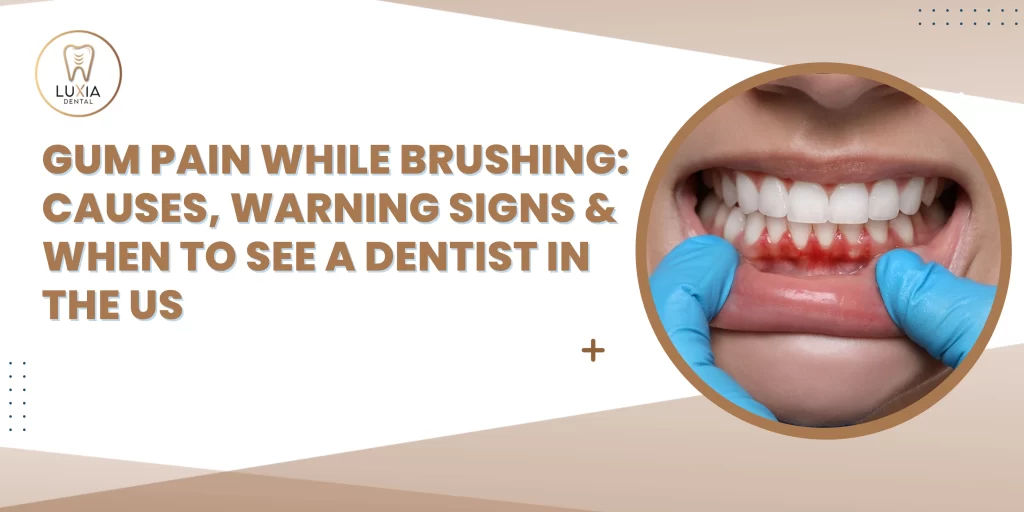
A feeling of gum pain when brushing is a concern, particularly if it occurs suddenly or continues to occur. A lot of folks in the US have this issue at some point; they tend to ignore it, believing it’s normal. In reality, pain in the gums isn’t something you can ignore, particularly if it is frequent. Sometimes, pain in the gums while brushing can be caused by simple habits such as cleaning too vigorously. Sometimes, it could be an indication of more serious dental health issues that require medical care. Knowing the difference is crucial to protecting your gums and teeth. Gum pain while brushing is often caused by inflamed or irritated gum tissue due to plaque buildup, aggressive brushing, receding gums, or gum disease. Healthy gums should not hurt during brushing — persistent pain, bleeding, or swelling indicates a need for professional evaluation. What Does Gum Pain While Brushing Mean for Your Oral Health? Gum pain while brushing usually indicates irritation, inflammation, or early gum disease. Gum discomfort while brushing is when your gums feel tender, sore, or sore when your toothbrush comes into contact with the gums. The pain could be moderate or sharp. It may also be burning. A few people also experience bleeding in conjunction with pain. Healthy gums shouldn’t hurt when you brush. In the event that they are, it’s because something is causing irritation or harm to teeth. The irritation may be temporary or lasting, based on the underlying cause. Common Symptoms That Come With Gum Pain While Brushing Gum pain is rarely a single event. There may be other indications that suggest that your gums aren’t healthy. These signs can help determine if the issue is serious or minor. Common Causes of Gum Pain While Brushing The root causes of gum pain while brushing range from simple brushing technique issues to early gum disease like gingivitis or periodontitis. There are many causes for gum pain when brushing occurs. Some of the causes are easy and simple to address, and others require professional medical attention. Several underlying issues can cause gum pain while brushing, ranging from simple brushing mistakes to gum infections. Brushing Too Hard and Wrong Toothbrush This is among the most frequent causes of gum discomfort. Many people believe that a harder brush will make their gums cleaner, but it actually causes harm to their gums. Plaque Build-Up & Poor Oral Hygiene If plaque isn’t cleaned appropriately, it forms on the lines of your gums. It is a common reason for gum pain when cleaning across the US. Gingivitis (Early Gum Disease) Gingivitis is the initial stage of gum disease. It is the main cause of gum pain. One of the most common causes of gum pain while brushing is gingivitis, the early stage of gum disease. There is good news: that gingivitis is treatable with the proper care. Receding Gums As gums separate from the teeth and expose vulnerable areas. The receding gums can cause gum pain during brushing, even when using gentle pressure. Mouth Sores or Ulcers Small cuts or sores on the gums can trigger sharp pain. However, any sores that appear frequently must be examined by a dentist. Hormonal Changes Changes in hormones can cause gums to become more sensitive. These changes may cause more gum pain when brushing, even when you have good oral hygiene. Vitamin Deficiency The absence of certain vitamins can affect the health of your gums. It could result in gum pain when brushing. Teeth Grinding or Jaw Clenching Tooth grinding puts pressure on the gums. A lot of people don’t realize the grind of their teeth. When Gum Pain While Brushing Is Not Serious Is gum pain harmless in certain cases? Sometimes, it’s just temporary and completely harmless. There’s no need to be concerned in the event: In these situations, brushing techniques can be improved oral health care, which typically solves the issue. When Gum Pain While Brushing Becomes a Warning Sign Persistent gum pain while brushing can signal serious dental problems. Sometimes, tooth pain when brushing could be an indication of a larger issue. If you ignore it, it could lead to more serious dental problems. Warning signs you should never ignore: These symptoms usually indicate gum disease or an infection. When to See a Dentist in the US You should see a dentist in the US if gum pain while brushing interferes with daily life, persists, or is accompanied by bleeding, swelling, or loose teeth. If gum pain while brushing lasts more than a week, it is time to consult a dentist in the US. A visit to the dentist in the early stages can help your teeth and gums. In the US, dentists advise against taking too long. It is recommended to see a dentist for the following reasons: Dental appointments help to identify the root cause of problems and can help avoid complications. How Dentists in the US Diagnose Gum Pain Dentists diagnose gum pain by examining the gums visually, measuring periodontal pockets, and assessing plaque/tartar buildup. Dentist in the US employ simple techniques to identify the reason. This aids in forming the appropriate treatment program. Treatment Options for Gum Pain While Brushing The treatment depends on the root and the severity. Improving Daily Oral Care In mild cases, a few adjustments work. Treatment for gum pain while brushing depends on the underlying cause. This can be enough to decrease the pain of brushing your gums. Professional Dental Cleaning Dentists take care of tartar and plaque buildup. This is highly effective for gum disease. Medicated Mouthwash Antibacterial mouthwash can fight infections. Dentists frequently recommend this procedure. Treating Underlying Conditions If the discomfort is caused by the grinding or misalignment of the joints: The root of the issue is crucial. How to Prevent Gum Pain While Brushing Prevention is simple, but effective. Good habits help protect gums throughout life. Medical Review & Author Information Reviewed by: Dr. Manpreet Dhanjal, DDS, BDS – Compassionate Family & Cosmetic Dentist in Indianapolis
How Nutrition Impacts Your Smile: Foods That Help and Hurt
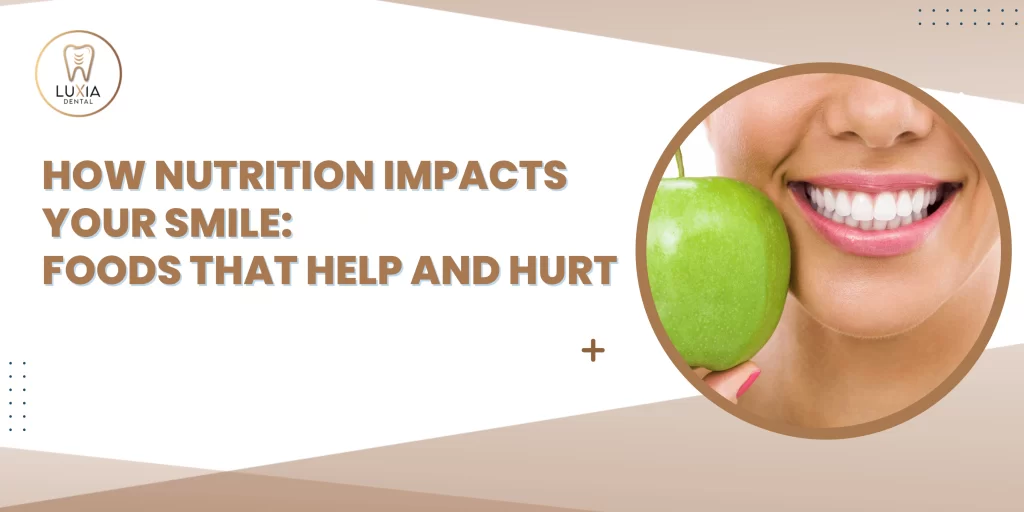
How Nutrition Impacts Your Smile:- There’s a moment, usually late at night, when you brush your teeth half-asleep, stare at your reflection, and suddenly notice your smile in a way you didn’t during the rush of the day. Not the cosmetic part. The deeper thing. The color. The sensitivity. That tiny ache you’ve been ignoring. And that’s when the question quietly shows up — am I actually feeding my teeth what they need, or just keeping them busy surviving? The majority of individuals are unaware of how diet affects your smile long before any cavities or discomfort show up. Daily dietary decisions have a subtle effect on teeth, which develops gradually rather than all at once. We talk about food in terms of weight, energy, skin, mood. Teeth rarely make the list. They’re just… there. Hard. Silent. Until they’re not. Until a sip of cold water stings or a dentist’s mirror finds something you weren’t expecting. That’s when nutrition steps forward, clears its throat, and reminds you it’s been involved all along. This isn’t a clean, clinical breakdown. It’s more like following the thread of thought that connects what you eat at midnight, what you sip absentmindedly during work, and how your smile feels when you laugh without thinking. Because dental nutrition tips aren’t rules carved in stone. They’re quiet adjustments. Small choices that accumulate. Like plaque does. Like health does too. The Quiet Relationship Between Food and Teeth How Nutrition Impacts Your Smile:- Your teeth don’t ask for much. They don’t crave variety or novelty. They want consistency. Minerals. Time to recover. And most importantly, not to be under constant attack. When you look closely,it becomes clear that how nutrition impacts your smile isn’t about one perfect diet, but about small habits repeated every day—snacks, drinks, and timing. Every time you eat, especially carbohydrates and sugars, your mouth becomes a temporary battleground. Bacteria wake up. Acids form. Enamel takes a hit. Then, if given space and the right nutrients, saliva helps restore balance. That rhythm matters. Disrupt it too often, and even the strongest teeth start showing cracks. This is where diet and dental cavities become deeply intertwined. Cavities aren’t just about sugar. They’re about frequency, texture, timing, and what else is missing from your plate. Sometimes it’s not the obvious candy bar doing the damage. It’s the constant sipping. The soft foods that stick around. The snacks that never give your teeth a break. Foods That Quietly Support Your Smile How Nutrition Impacts Your Smile:- There are foods that feel like allies. Not flashy superfoods, not trends. Just things that do their job without drama. They strengthen. They rinse. They remineralize. They give your teeth a chance to breathe. Dentists often see that patients who understand how nutrition impacts your smile tend to have stronger enamel and fewer sensitivity issues, even if their brushing routine is simple. When people talk about foods for healthy teeth, these are usually what they mean, even if they don’t say it out loud. Some of these foods work mechanically, others chemically, others emotionally — because eating well tends to slow you down, and slowing down helps everything, including your mouth. • Dairy products like milk, cheese, and yogurt, especially unsweetened ones, bring calcium and phosphates that help rebuild enamel while also stimulating saliva• Crunchy vegetables such as carrots, cucumbers, and celery gently scrub tooth surfaces and increase saliva flow• Leafy greens provide minerals and vitamins that support gum health, which is just as important as enamel• Nuts and seeds offer healthy fats and minerals without bathing your teeth in sugar• Plain water, the most underrated hero, rinses acids away and keeps saliva working properly None of these foods promise perfection. They just tilt the balance in your favor. Quietly. Patiently. Foods That Quietly Support Your Smile The reason how nutrition impacts your smile feels invisible is because teeth don’t complain immediately. Damage accumulates silently until it finally shows up as pain or decay. It’s easy to point at sugar and call it the enemy. And yes, sugar feeds the bacteria that lead to decay. But the real issue isn’t moral. It’s mechanical and behavioral. Sticky sweets cling. Frequent sweets never let acid levels reset. Liquid sugars coat every surface and slip into places brushing sometimes misses. This is where diet and dental cavities stop being theoretical and start feeling personal. A dessert after dinner is different from a candy every hour. A sweet eaten with a meal is different from one eaten alone. Teeth understand patterns better than intentions. What tends to hurt the most isn’t indulgence. It’s repetition without recovery. Acidic Foods and the Slow Erosion You Don’t Notice Instead of blaming one food, it helps to observe how nutrition impacts your smile through patterns—frequent sugar, acidic drinks, and lack of recovery time for enamel. Acid doesn’t always hurt right away. It’s patient. Citrus fruits, sodas, vinegar-heavy foods, wine — they all soften enamel temporarily. That’s normal. The problem comes when acid exposure stacks up without enough neutral time. Brushing immediately after acidic foods can actually worsen damage, because enamel is softer in that window. How nutrition impacts your smile this detail rarely makes it into casual conversations, but it matters. Many dental nutrition tips revolve around timing rather than elimination. Rinse first. Wait. Let saliva do some work before you introduce a toothbrush. The damage from acid is often silent until sensitivity shows up. And by then, it’s not about fixing — it’s about managing. Texture Matters More Than You Think Many people are surprised to learn that how nutrition impacts your smile also affects gums, breath freshness, and overall oral comfort, not just cavities. Soft foods slide down easily. Comforting. Convenient. But they don’t clean your teeth the way firmer foods do. They linger. They lodge. They give bacteria a longer invitation. Crunchy foods act like gentle exfoliators for teeth. Not replacements for brushing — nothing replaces brushing — but partners in the process. This is a subtle
The Complete Guide to Gum Recession: Causes & Solutions
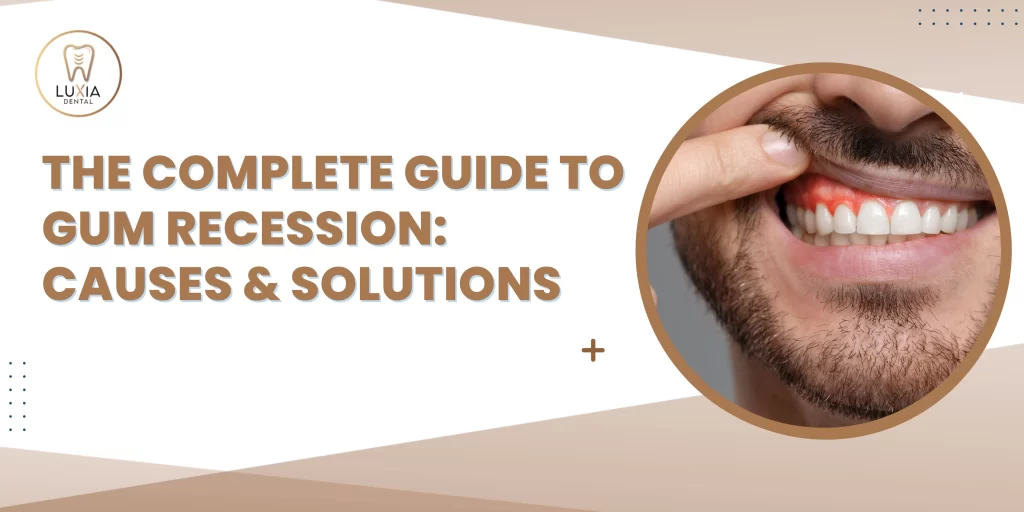
Gum issues are quite widespread, yet a lot of people aren’t taking them seriously. The most neglected gum issues can be receding gum. Most people are aware of it only when their teeth appear longer or if they are feeling pain after sipping something cold. Gum recession is not a thing that happens in a flash. It occurs slowly, in a quiet way, and usually without pain during the early stages. It is the reason that many avoid it until it gets more serious. This is a comprehensive receding gums treatment guide and is written with simple language. Even if you don’t know anything about oral health, you’ll be able to comprehend the whole thing clearly. The guide below we’ll discuss: What Is Gums Recession? (Very Simple Explanation) Gum recession refers to the fact that your gums gradually move away from your teeth. When gums recede: Healthy gums must protect and cover your teeth. If gums are pulled back, they expose the roots, which can lead to numerous problems. This is the reason gum recession requires care in addition to periodontal treatment. Why Gum Recession Is a Serious Problem A lot of people believe that gum recession is an issue of cosmetics. It’s not the case. Gum recession could lead to: It is for this reason that learning the correct dental recession therapy is vitally important. How Common Is Gum Recession? Gum recession is a common occurrence. It is a problem that affects: If you don’t follow proper periodontal hygiene, you could develop receding gums. Early Signs of Gums Recession Gum recession typically begins gradually. The most common early signs are: These warnings are crucial within this growing gums’ guide. Main Causes of Gums Recession Knowing the cause can be the initial step towards the correct treatments for gum recession. 1. Aggressive Brushing Too hard brushing is one of the most frequently cited reasons. This is the case, it happens when: In time, this causes damage to gum tissue, which leads to recession. 2. Poor Oral Hygiene The lack of proper cleaning can allow bacteria to accumulate. Plaque causes: In the absence of proper periodontal hygiene, Plaque gradually destroys gums. 3. Gum Disease (Periodontal Disease) Gum disease can be the most significant reason for gum recession. It can cause: Gum disease that is advanced requires expert treatment for recession of gums. 4. Teeth Grinding and Clenching Grinding places extra pressure on gums and teeth. This tension: Grinding teeth is an important aspect of the receding gums’ guide. 5. Hormonal Changes Changes in hormones influence the health of your gums. Common scenarios are: A hormonal imbalance causes gums to become more susceptible to recession and sensitive. 6. Smoking and Tobacco Use Smoking decreases the flow of blood to the gums. This is the reason: Excellent periodontal health gets more difficult with smoking. 7. Genetics Certain people naturally have thinner gums. If gum issues run in your family members: This makes the treatment of gum recession extremely important. 8. Misaligned Teeth or Bite Problems Inadequate pressure applied to teeth may harm the gums. This results in: Orthodontic treatment could be an integral part of a guide for receding gums. How Gum Recession Affects Your Teeth When gums recede: This is the reason the need for periodontal treatment is vital to maintain the long-term health of your teeth. Gum Recession and Tooth Sensitivity Exposed roots are extremely sensitive to: Sensitivity is usually the primary reason why people seek gum recession treatments. Stages of Gum Recession Gum recession is a process that occurs in phases. The beginning of the stage Middle stage: Advanced stage: The receding gums guide can help you take action in the early stages. How Dentists Diagnose Gums Recession Dentists examine: It is possible to use X-rays in order to plan the proper periodontal health. Gums Treatment Options Let’s talk about solutions. 1. Improving Oral Hygiene First step: to improve routines. This includes: Regularly scheduled care helps with dental recession treatments. 2. Professional Dental Cleaning Deep cleaning is a great way to remove: This is the most fundamental element of periodontal health. 3. Scaling and Root Planing This is a thorough cleaning process. It: It is a crucial method for treating gum recession. Technique. 4. Gum Grafting Surgery For more severe instances, surgery might be required. Gum grafting: This is a step up from the receding gums tutorial. 5. Treating Teeth Grinding Controlling grinding eases the pressure on the gums. This could include: This is a way to ensure long-term periodontal health. 6. Orthodontic Treatment Correcting bite issues It could be part of the complete dental recession therapy. Home Care Tips to Stop Gum Recession The daily habits of our lives are very important. Simple Daily Habits These habits are a great help to the need for periodontal treatment. Lifestyle Changes These changes slow down the recession of gums. Foods That Help Gum Health Healthy gums need nutrients. Helpful foods include: A healthy diet can aid in receding gums by itself. Can Gum Recession Grow Back? This is a frequent question. This is the reason the gingival recession manual emphasizes the importance of early action. Why Periodontal Care Is Important Periodontal treatment concentrates on bone and gum health. It can be helpful: The lack of attention to your gums can hurt the entire body. Gum Recession and Overall Health Gum health issues can be linked to: This is what makes periodontal hygiene all the more important. How Often Should You Visit a Dentist? Regular visits are essential. Recommended: Regularly scheduled check-ups aid in the early treatment of gum recession. Myths About Gum Recession Myth Gum recession is a normal occurrence in old age. Truth: This can be avoided by taking care of it properly Myth: Gum issues aren’t major The truth is that they could lead to tooth loss This guide to receding gums helps to eliminate many common misconceptions. Long-Term Effects of Ignoring Gum Recession The inattention to gum recession could result in: The early periodontal treatment can save
How Sleep Apnea Affects Your Oral Health and What You Can Do
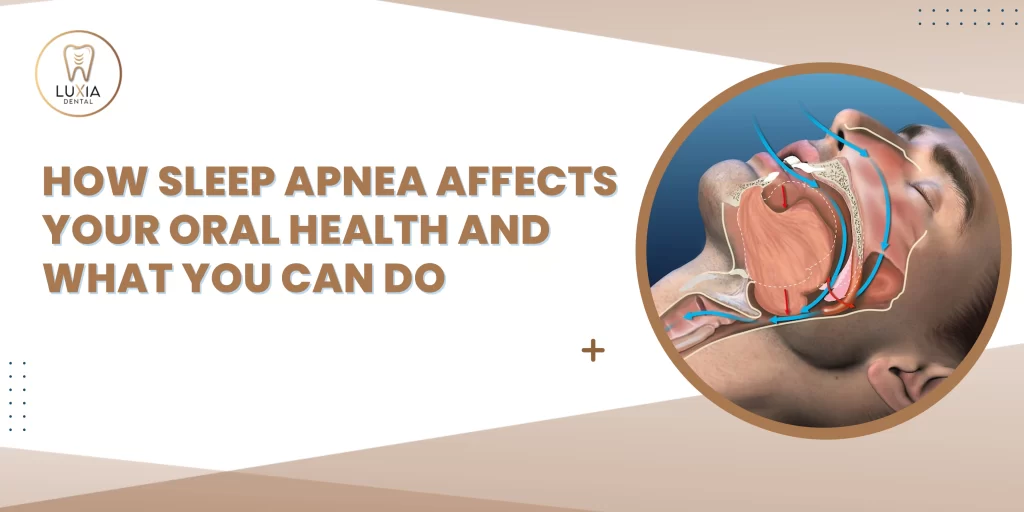
It is during sleep that your body repairs itself, heals, and unwinds. However, for many, sleep isn’t as restful as it ought to be. A common sleep issue can be sleep apnea. Many people are aware that sleep apnea impacts the quality of sleep and breathing. Yet, few people are aware that sleep apnea can also have a profound connection to tooth and oral health. Yes, the mouth, your teeth, gums, jaw, and tongue could suffer from sleep apnea. This is why the dental link between sleep apnea and sleep becomes crucial to comprehend. The article will discuss everything in very simple terms. Even if you do not know about sleep apnea and oral health, you’ll be able to comprehend it at the end of this article. We will be discussing: What Is Sleep Apnea? (In Very Simple Words) Sleep apnea can be described as a sleep issue in which a person is unable to breathe repeatedly during sleep. These breathing stops may be in place for: It can happen several times throughout the night without even realizing it. This is because: There are two main types of sleep apnea. Dental and oral issues in the majority are associated with obstructive sleep apnea. Why Oral Health Matters in Sleep Apnea The mouth is the primary airway that you breathe through, especially when you sleep. Your jaw, tongue, gums, teeth, and airway all function together. When sleep apnea is present: This can cause a variety of oral health problems over time. This is why doctors discuss the link between sleep apnea and dental health. Dentists are usually the first to recognize the signs of sleep apnea when watching your mouth. Why Oral Health Matters in Sleep Apnea The dental link in sleep apnea implies that it is possible to establish a link between sleep apnea and oral dental issues. Sleep apnea may result in: Then: It works in both ways. This connection is crucial yet is often overlooked. How Sleep Apnea Affects Your Mouth and Teeth Let’s learn step-by-step the ways sleep apnea can harm oral health. 1. Dry Mouth Is Very Common Sleep apnea sufferers often breathe through their mouths when they sleep. This is the reason: Saliva is extremely important due to: When saliva levels are low: Dry mouth is among the earliest signs of the oral condition, sleep apnea. 2. Gum Disease Gets Worse Sleep apnea can cause inflammation throughout the body. This is the reason: If you are disturbed at night: Sleep apnea sufferers who aren’t treated are more prone to suffer from: This clearly demonstrates that there is a dental health, sleep, and apnea connection. 3. Teeth Grinding and Apnea Go Hand in Hand A strong link that is strongest in the grinding of teeth and apnea. A lot of people suffering from sleep apnea grind their jaws at midnight without realizing it. This is because: This could cause: Dentists frequently notice worn teeth and may suspect sleep apnea. It is a clear indicator that there is dental grinding as well as sleep apnea. 4. Jaw Pain and TMJ Problems Sleep apnea affects jaw position during sleep. This could cause: Clenching and grinding can make it even more painful. Over time: Another example of the profound link between sleep apnea and dental health. 5. Tongue and Throat Changes Sleep apnea in the form of Over time: Dentists may notice these indications during oral exams. Another aspect of oral sleep apnea health indications. 6. Higher Risk of Tooth Decay Caused by: Teeth are more prone to damage. People who suffer from sleep apnea typically have the following symptoms: The damage is subtle over decades. How Poor Oral Health Can Make Sleep Apnea Worse The connection is two-way. Poor oral health can: For instance: This could exacerbate sleep apnea symptoms. This is why addressing sleep apnea and oral health together is crucial. Signs in Your Mouth That May Point to Sleep Apnea Most people are unaware that they suffer from sleep apnea. However, the mouth can tell you. Beware of: These signals help strengthen the dental link between sleep apnea and sleep. How Dentists Help with Sleep Apnea Dentists play a significant part in preventing sleep apnea. They may: Dentists who are trained in sleep medicine can help you manage sleep apnea in the mouth efficiently. Oral Appliances for Sleep Apnea A common dental procedure is one that uses a Mandibular Advancement Device. This device: Benefits: These devices also lessen the amount of grinding that occurs and prevent apnea in conjunction. How CPAP Affects Oral Health CPAP devices are commonly used to treat sleep apnea. However, CPAP may be the cause of: To ensure oral health protection: Controlling CPAP properly can help balance the sleep apnea-dental link. What You Can Do to Protect Your Oral Health And building healthy habits is an easy step you can all follow. Daily Habits That Help These easy steps can ensure oral health and reduce the risk of sleep apnea. Night Care Tips They reduce the amount of grinding that occurs and prevent the risk of apnea harm. Regular Dental Visits Visit your dentist every 6 months. Dentists may: This improves the link between sleep apnea and dental treatment. Lifestyle Changes That Improve Sleep Apnea and Oral Health Simple lifestyle changes can ease both health conditions. These measures can improve the quality of sleep and also improve oral health. Importance of Treating Sleep Apnea Early Untreated sleep apnea can cause: The early treatment can prevent: Knowing the sleep apnea-dental connection early could protect your teeth and improve your health. Conclusion Sleep apnea doesn’t just mean a sleep issue. It affects the entire body, including the mouth. The link between oral and sleeping apnea is genuine and solid. The sleep apnea-dental connection, oral health sleep apnea and dental grinding as well as sleep apnea are all inextricably linked. By: You can safeguard your sleep as well as your smile. Sleeping well and maintaining healthy oral health always go hand in hand. Frequently