Why Is One Tooth Experiencing Painful Receding Gums? Causes & Treatment Options
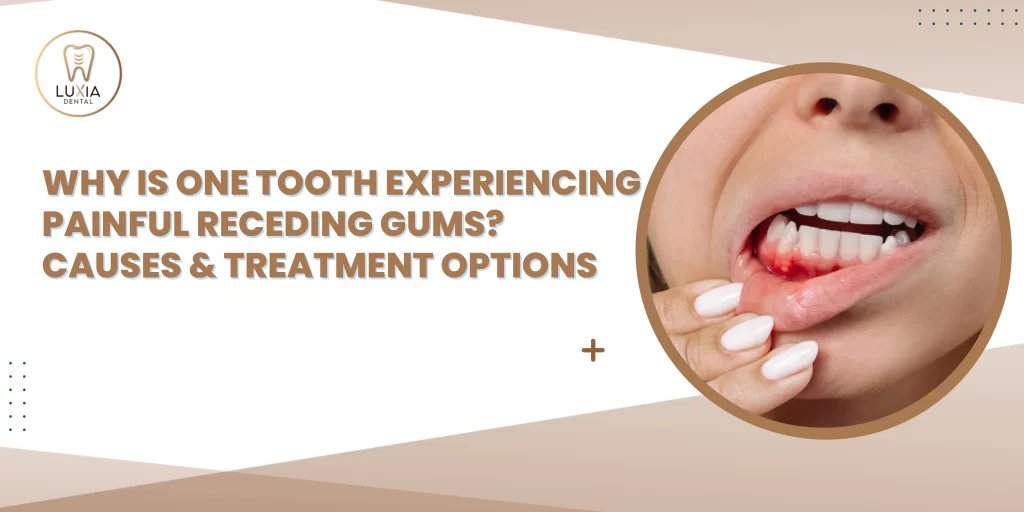
A lot of people are overwhelmed and anxious when they notice One Tooth Experiencing Painful Receding Gums, while the rest of their gums appear healthy and normal. This issue can be uncomfortable and sometimes alarming, especially when the pain increases while eating or brushing. The good news is that One Tooth Experiencing Painful Receding Gums is a fairly common condition and can be effectively treated if addressed at an early stage. This article explains why painful receding gums affect only one tooth, what triggers the condition, the most common symptoms, available treatment options, and the best ways to prevent it in the future. Painful receding gums in one tooth often occur when gum tissue pulls away from a particular tooth due to aggressive brushing, periodontal disease, or localized trauma. Early recognition and treatment help prevent further tissue loss, sensitivity, infection, and tooth instability. The information is presented in simple, easy-to-understand language so that everyone can grasp it clearly. What Does One Tooth Experiencing Painful Receding Gums Mean? Painful receding gums in one tooth typically result from a combination of localized irritation, gum inflammation, or periodontal disease that affects only a specific area. As opposed to enamel teeth, the root of your tooth is not protected by a strong shield. When exposed, you might be able to feel pain, sensitivity, or even numbness. The issue often affects just one tooth because of local factors rather than overall gum condition. Common Symptoms of Painful Receding Gums: One Tooth One Tooth Experiencing Painful Receding Gums:- If only 1 tooth has been affected, the signs are often obvious. The signs can be mild, but they will get worse over time. Inattention to these signs can result in serious dental problems in the future. Main Causes of Painful Receding Gums in One Tooth The One Tooth Experiencing Painful Receding Gums:- There are a myriad of reasons why the One Tooth Experiencing Painful Receding Gums could occur. In the majority of cases, it’s due to the local area or habits. Aggressive or Wrong Brushing Technique Too hard to brush or using hard-bristled brushes is among the most frequently cited reasons. In most cases One Tooth Experiencing Painful Receding Gums is caused by local factors such as aggressive brushing, plaque buildup, or tooth misalignment. In time, this can cause gum recession and pain. Poor Oral Hygiene Around One Tooth If plaque forms around a tooth more than other teeth, this can irritate the gums. It usually occurs in the vicinity of back teeth or around teeth that are crowded. Gum Infection or Early Gum Disease In some cases, painful receding gums on one tooth can be a sign of localized gum disease. If it is not treated, the problem may spread to nearby teeth. Teeth Grinding or Clenching (Bruxism) The act of grinding your teeth can put extra stress on your teeth. A lot of users grind their teeth without realizing it at night. Misaligned or Crooked Tooth Teeth that are not in their proper position could cause stress to the gums around them. This creates difficult receding gums on one tooth more likely. Dental Trauma or Injury A fall, a hit, or even an accident could damage the gums surrounding one tooth. The pain may begin in the weeks or months following the injury. Improper Dental Work Fillings and crowns that are not properly fitted or braces could cause irritation to the gums. This requires professional correction. Hormonal Changes and Health Conditions The effects of hormonal changes can affect the health of your gums. This can lead to gum problems that are localized. Why Does It Hurt So Much When Gums Recede? One Tooth Experiencing Painful Receding Gums:- The pain is caused when the tooth root gets exposed. Teeth roots have small nerve endings. If they are exposed to air, food, or temperature fluctuations, the roots react strongly. Gums receding painfully in one tooth causes more pain because: This pain must never be overlooked. Treatment Options for Painful Receding Gums: One Tooth Treatment for One Tooth Experiencing Painful Receding Gums depends on the severity and may include improved oral hygiene or profeessional dental care. The treatment is contingent on the severity of the recession. The earlier treatment will yield the most effective outcomes. Improving Oral Hygiene Habits For mild cases, simple changes can help. This helps prevent any further injury. Professional Dental Cleaning Dentists take care of tartar and plaque buildup. This is extremely beneficial for early gum issues. Desensitizing Toothpaste Special toothpaste reduces nerve sensitivity. It is most effective with regular usage. Medicated Mouthwash Antibacterial mouthwash can help control infections. Always use products that are recommended by your dentist. Gum Grafting Surgery (For Severe Cases) If the recession is severe, it may require surgery. This treatment helps restore gum health. Orthodontic Treatment In the event that tooth alignment may be the reason, braces or aligners can help. This is a long-term approach. How to Prevent Painful Receding Gums in One Tooth Preventive measures are always more effective than a cure. Small changes can make a huge impact. Is It Normal for Gums to Recede Around One Tooth? No — gum recession in one tooth is not typical. Localized recession often indicates irritation, trauma, or periodontal infection. Early examination by a dentist can help determine if the cause is mechanical, infection-related, or linked to gum disease. Can Receding Gums Cause Tooth Pain? Yes — receding gums expose One Tooth Experiencing Painful Receding Gums sensitive root surfaces and nerve endings, leading to pain during brushing, cold sensitivity, or pressure. Localized pain often occurs beside the recession site and should be evaluated promptly. Medical Review & Author Information Reviewed by: Dr. Manpreet Dhanjal, DDS, BDS – Compassionate Family & Cosmetic Dentist in Indianapolis Dr. Manpreet Dhanjal is a licensed U.S. dental professional with expertise in gum disease diagnosis, periodontal management, and restorative care. Her clinical insight ensures accurate guidance for dental health topics. Conclusion One Tooth Experiencing Painful Receding Gums is a frequent, however serious, dental problem
Why Regular Dental Cleanings in Indianapolis Do More Than Make Your Teeth Sparkle

When you think of dental cleaning the first thing you think of is a white, sparkling smile. While that’s certainly a fantastic reason to see a dentist, there’s more that happens during the process of professional cleaning, other than cleaning your teeth. A regular schedule of appointments for dental hygiene are offered in Indianapolis are an essential tool to maintain not only your oral health, but also your overall health. Let’s review of why these appointments are so important and what actually is happening when you are in the chair. The Real Purpose of Dental Cleanings A routine dental cleaning is more than just aesthetics -it’s preventive practice. Every day, the bacteria that reside in your mouth combine with saliva and food particles to create a sticky substance known as plaque. Cleaning your teeth and flossing can remove a lot of the plaque, but not all of it. In time, plaque will become tartar, which is removed only by a dentist. If you go to dental professionals for dental cleaning the hygienist will use special tools to get rid of the tartar buildup on your teeth and gum line. This can prevent cavities, gum disease, and eventually tooth loss. Imagine it as a deep-cleaning session that restores your oral health and provides a new beginning. 1. Keeps Cavities and Tooth Decay Away Even the most committed flossers and brushers may miss tiny spots, especially around the back teeth and in the line of gum. These areas are places of accumulation of plaque and eventually lead to cavities. A regular dentist cleanings at Indianapolis aid in identifying and get rid of these early problem areas before they become decay. By eliminating the tartar and plaque that can cause tooth damage Cleanings are your first line of defense against tooth decay. Additionally, your dentist will detect first signs of decay and recommend sealants or treatments with fluoride to safeguard your enamel. 2. Prevents Gum Disease Gum disease is often silent. There may be a slight bleed after brushing or swelling, but don’t bother believing it’s not a serious issue. But, if you don’t address the gum inflammation (gingivitis) may quickly turn into periodontitis – the most severe type of gum disease that causes damage to the bone that holds the teeth. Professionally cleaned teeth help eliminate tartar buildup and bacteria that can cause inflammation. The regular oral cleanings at Indianapolis can help to keep healthy gums, to avoid not just issues with your mouth but also possible links to other health issues like diabetes and heart disease. 3. Gives You Fresh, Confident Breath Bad breath (or Halitosis) isn’t just caused by the food you consume — it’s usually caused by lingering bacteria. If plaque build-up occurs and clogs your mouth, it emits unattractive odors, which regular cleaning isn’t able to completely eliminate. Dental cleaning removes the bacteria that cause odor and makes your mouth feel fresh for several weeks following the procedure. If you’ve ever felt embarrassed over your breath for a while, planning regular cleanings can make the huge improvement. It’s a straightforward, yet efficient method to boost your confidence both in personal as well as professional environments. 4. Brightens Your Smile Naturally Tea, coffee, wine and even certain foods can leave stains that are permanent in your dental. In time, these stained teeth dull and cause your teeth to appear yellow. While whitening procedures can aid however, professionals dentists who perform dental cleansing in Indianapolis usually restore the majority of your teeth’s natural luminosity by removing surfaces stained. That means you’ll walk out of the dental clinic with healthier more smooth, shinier, and smoother teeth with there’s no bleach or chemical requirements. It’s like having an instant makeover of the smile each six-month period. 5. Detects Dental Problems Early One of the most significant benefits of regular dental cleaning is the early detection. Each time you visit dental hygienists and dentists look over your mouth to detect signs of gum recession, dental cavities as well as loose fillings. perhaps oral cancer. Finding problems early could keep you from anxiety, pain and costly dental work at a later date. For instance, treating minor cavities is simpler and less costly than having an extraction later. A regular schedule of oral cleanings at Indianapolis serve as an annual check-up to ensure your oral healthmaking sure you are just one step away from any potential problems. 6. Protects Your Overall Health It is your mouth that acts as the main entry point to your body. Your your oral health is a key component to overall health. Studies have shown that the bacteria from gum disease can traverse your bloodstream and cause diseases like diabetes, heart disease and respiratory infections. By ensuring you’re regular to regular dental visits in Indianapolis it helps reduce the inflammation of your gums and decrease the chance of developing these issues. It’s a simple, proactive method to take good care of your body and your smile. 7. Saves You Money in the Long Run A lot of people avoid dental cleanings believing they’re saving money, but this often isn’t the case. The benefits of preventive treatment like cleanings are cheaper than restorative procedures like crowns, fillings or extractions. If you catch problems early and maintaining your dental well-being in check You can avoid costly and complex treatments later. Making sure you get two dental cleanings per year could save you thousands of dollars in the long run in addition to the security that come from a clean mouth. 8. Reduces Anxiety About Dental Visits It may sound a bit odd It may sound odd, but regular visits to the dentist can will make you less nervous about visiting the dentist. When you visit the dentist every 6 months or so, the visits are less time-consuming, more simple and more comfortable since there’s less tartar and plaque to get rid of. Inadvertently avoiding cleanings for a long time however it can result in an increase in gum sensitivity, buildup and