Why Is One Tooth Experiencing Painful Receding Gums? Causes & Treatment Options
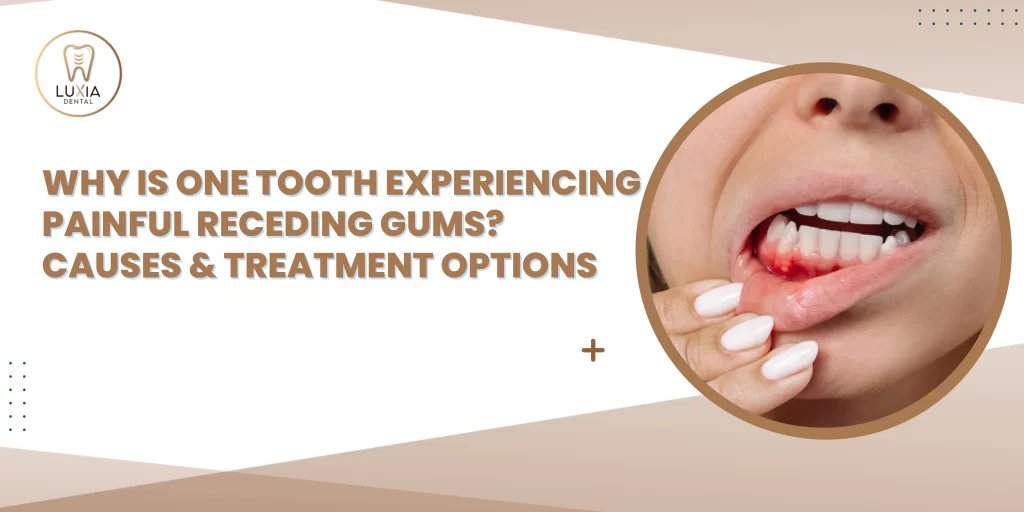
A lot of people are overwhelmed and anxious when they notice One Tooth Experiencing Painful Receding Gums, while the rest of their gums appear healthy and normal. This issue can be uncomfortable and sometimes alarming, especially when the pain increases while eating or brushing. The good news is that One Tooth Experiencing Painful Receding Gums is a fairly common condition and can be effectively treated if addressed at an early stage. This article explains why painful receding gums affect only one tooth, what triggers the condition, the most common symptoms, available treatment options, and the best ways to prevent it in the future. Painful receding gums in one tooth often occur when gum tissue pulls away from a particular tooth due to aggressive brushing, periodontal disease, or localized trauma. Early recognition and treatment help prevent further tissue loss, sensitivity, infection, and tooth instability. The information is presented in simple, easy-to-understand language so that everyone can grasp it clearly. What Does One Tooth Experiencing Painful Receding Gums Mean? Painful receding gums in one tooth typically result from a combination of localized irritation, gum inflammation, or periodontal disease that affects only a specific area. As opposed to enamel teeth, the root of your tooth is not protected by a strong shield. When exposed, you might be able to feel pain, sensitivity, or even numbness. The issue often affects just one tooth because of local factors rather than overall gum condition. Common Symptoms of Painful Receding Gums: One Tooth One Tooth Experiencing Painful Receding Gums:- If only 1 tooth has been affected, the signs are often obvious. The signs can be mild, but they will get worse over time. Inattention to these signs can result in serious dental problems in the future. Main Causes of Painful Receding Gums in One Tooth The One Tooth Experiencing Painful Receding Gums:- There are a myriad of reasons why the One Tooth Experiencing Painful Receding Gums could occur. In the majority of cases, it’s due to the local area or habits. Aggressive or Wrong Brushing Technique Too hard to brush or using hard-bristled brushes is among the most frequently cited reasons. In most cases One Tooth Experiencing Painful Receding Gums is caused by local factors such as aggressive brushing, plaque buildup, or tooth misalignment. In time, this can cause gum recession and pain. Poor Oral Hygiene Around One Tooth If plaque forms around a tooth more than other teeth, this can irritate the gums. It usually occurs in the vicinity of back teeth or around teeth that are crowded. Gum Infection or Early Gum Disease In some cases, painful receding gums on one tooth can be a sign of localized gum disease. If it is not treated, the problem may spread to nearby teeth. Teeth Grinding or Clenching (Bruxism) The act of grinding your teeth can put extra stress on your teeth. A lot of users grind their teeth without realizing it at night. Misaligned or Crooked Tooth Teeth that are not in their proper position could cause stress to the gums around them. This creates difficult receding gums on one tooth more likely. Dental Trauma or Injury A fall, a hit, or even an accident could damage the gums surrounding one tooth. The pain may begin in the weeks or months following the injury. Improper Dental Work Fillings and crowns that are not properly fitted or braces could cause irritation to the gums. This requires professional correction. Hormonal Changes and Health Conditions The effects of hormonal changes can affect the health of your gums. This can lead to gum problems that are localized. Why Does It Hurt So Much When Gums Recede? One Tooth Experiencing Painful Receding Gums:- The pain is caused when the tooth root gets exposed. Teeth roots have small nerve endings. If they are exposed to air, food, or temperature fluctuations, the roots react strongly. Gums receding painfully in one tooth causes more pain because: This pain must never be overlooked. Treatment Options for Painful Receding Gums: One Tooth Treatment for One Tooth Experiencing Painful Receding Gums depends on the severity and may include improved oral hygiene or profeessional dental care. The treatment is contingent on the severity of the recession. The earlier treatment will yield the most effective outcomes. Improving Oral Hygiene Habits For mild cases, simple changes can help. This helps prevent any further injury. Professional Dental Cleaning Dentists take care of tartar and plaque buildup. This is extremely beneficial for early gum issues. Desensitizing Toothpaste Special toothpaste reduces nerve sensitivity. It is most effective with regular usage. Medicated Mouthwash Antibacterial mouthwash can help control infections. Always use products that are recommended by your dentist. Gum Grafting Surgery (For Severe Cases) If the recession is severe, it may require surgery. This treatment helps restore gum health. Orthodontic Treatment In the event that tooth alignment may be the reason, braces or aligners can help. This is a long-term approach. How to Prevent Painful Receding Gums in One Tooth Preventive measures are always more effective than a cure. Small changes can make a huge impact. Is It Normal for Gums to Recede Around One Tooth? No — gum recession in one tooth is not typical. Localized recession often indicates irritation, trauma, or periodontal infection. Early examination by a dentist can help determine if the cause is mechanical, infection-related, or linked to gum disease. Can Receding Gums Cause Tooth Pain? Yes — receding gums expose One Tooth Experiencing Painful Receding Gums sensitive root surfaces and nerve endings, leading to pain during brushing, cold sensitivity, or pressure. Localized pain often occurs beside the recession site and should be evaluated promptly. Medical Review & Author Information Reviewed by: Dr. Manpreet Dhanjal, DDS, BDS – Compassionate Family & Cosmetic Dentist in Indianapolis Dr. Manpreet Dhanjal is a licensed U.S. dental professional with expertise in gum disease diagnosis, periodontal management, and restorative care. Her clinical insight ensures accurate guidance for dental health topics. Conclusion One Tooth Experiencing Painful Receding Gums is a frequent, however serious, dental problem
Managing Dental Anxiety: Proven Techniques That Really Work
Managing Dental Anxiety:– Dental anxiety doesn’t announce itself politely, which is why managing dental anxiety often feels harder than expected.It shows up as a tight chest the night before an appointment. As a cancelled visit that you promise you’ll reschedule. As a joke you make about hating the dentist, even though the joke feels too close to the truth. Sometimes it shows up as nothing at all until you’re in the chair and your body reacts before your mind can catch up. Late at night, when the world slows and your thoughts stretch out, you might admit it to yourself. That it’s not really about teeth. It’s about control. Vulnerability. Old memories. Sounds and smells that pull you backward without asking permission. People don’t talk enough about how real this fear is. They minimize it. Brush it off. Tell you to be brave. But fear doesn’t disappear because someone says it shouldn’t exist. It softens only when it’s understood. That’s where dental anxiety solutions begin. Not with forcing yourself through appointments, but with gentler approaches that respect your nervous system instead of fighting it. Understanding Where Dental Anxiety Actually Comes From Managing Dental Anxiety:– Dental anxiety isn’t irrational. It’s learned. Conditioned. Often built from a single bad experience that settled deep and stayed there. For some people, it’s childhood memories. For others, it’s a feeling of helplessness — lying back, mouth open, unable to speak. For many, it’s shame. Fear of judgment. Fear of being told they should have done better. Anxiety thrives in silence. It grows when you feel alone in it. Understanding this changes everything. Because it reframes anxiety as a response, not a flaw. And responses can be worked with. The most effective dental anxiety solutions don’t try to erase fear. They make space for it. Choosing the Right Dentist Is Half the Work Managing Dental Anxiety:– This part matters more than any technique. The wrong dentist can undo years of progress in one visit. The right one can help you breathe again. A dentist who understands anxiety moves differently. Speaks differently. Pauses without making you feel difficult. Look for cues. Do they explain before touching? Do they check in mid-procedure? Do they respect boundaries without ego? A calm environment isn’t accidental. It’s intentional. This is the foundation of all calm dental visit tips — safety first, tools second. Communication That Actually Calms the Body Anxiety worsens when you don’t know what’s happening. Silence invites imagination, and imagination is rarely kind in a dental chair. Talking through procedures helps anchor you. Knowing how long something will take helps your nervous system plan. Having a signal to pause gives you back control. These things sound small, but they’re not. They turn a passive experience into a collaborative one. Some simple communication-based supports include: • Agreeing on a hand signal to stop at any point• Asking for explanations before each step• Setting expectations about sensations, not just outcomes• Letting the dentist know your specific triggers These are not demands. They’re dental anxiety solutions/managing dental anxiety rooted in respect. Breathing Isn’t a Cliché, It’s a Tool Breathing changes chemistry and chemistry and plays an important role in managing dental anxiety during dental visit. It slows heart rate. It tells your brain you’re not in danger, even if part of you insists otherwise. Shallow breathing feeds panic. Slow breathing interrupts it. You don’t need complicated techniques. Just intention. Inhale through the nose. Longer exhale through the mouth. Count if it helps. Don’t if it doesn’t. Some people sync breathing with background music. Others focus on a fixed point on the ceiling. Some repeat phrases quietly in their head. These aren’t tricks. They’re Managing Dental Anxiety that meet your body where it is. Distraction as a Legitimate Strategy Distraction isn’t avoidance. It’s redirection. And the brain can only focus fully on one thing at a time. Music. Podcasts. Audiobooks. Guided meditations. Even watching something on a screen if the clinic allows it. Distraction creates a parallel experience that keeps your mind from spiraling. The goal isn’t to forget you’re at the dentist. It’s to prevent your fear from narrating the entire visit. This approach works especially well for people whose anxiety is rooted in anticipation rather than pain. It’s one of the most underrated dental anxiety solutions/managing dental anxiety because it feels too simple to be effective. But it is. Sedation Isn’t Failure, It’s Support There’s a lot of quiet shame around sedation. As if needing help means you’re weak. It doesn’t. Sedation dentistry exists because anxiety is real and persistent for many people. It’s not an escape. It’s a bridge. Options range from mild oral sedatives to deeper forms of sedation, depending on need and procedure. Some keep you relaxed but awake. Others blur the experience so time passes differently. What matters is choice. Consent. Understanding. For some people, sedation dentistry/managing dental anxiety is what finally allows them to receive care without trauma. That matters more than outdated ideas of toughness. Gradual Exposure, Done Kindly You don’t have to do everything at once. In fact, trying to often backfires. Short visits help. Consultations without treatment. Sitting in the chair without tools. Building familiarity slowly. Your nervous system learns through repetition, not logic. Each neutral or positive experience rewrites memory. Slowly. Quietly. This approach works especially well when paired with a dentist who understands pacing. It’s one of the more patient dental anxiety solutions, and one of the most lasting. The Role of Trust in Healing Anxiety Anxiety dissolves in trust. Not immediately. Not magically. But steadily. Trust grows when you’re believed. When your fear isn’t minimized. When your boundaries are respected. A trusting relationship with your dentist changes how your body reacts before your mind even notices. This is why switching dentists can be life-changing for anxious patients. The best calm dental visit tips assume that trust isn’t automatic. It’s built. When Anxiety Has Deep Roots Sometimes dental anxiety isn’t just about dentistry. It’s tied to broader anxiety, trauma, or
7 Latest Advances in Cavity Detection Technology
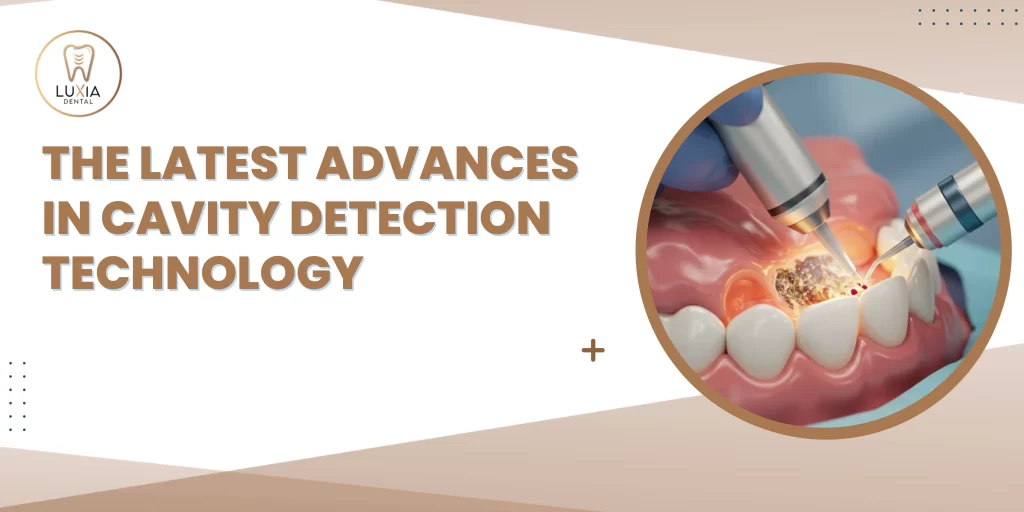
Cavity Detection Technology:- There’s something strangely intimate about sitting in a dental chair. The lights are too bright. The room smells faintly sterile. Someone asks you to open wider, and for a few quiet minutes, your mouth becomes a landscape being explored. In those moments, you realize how much trust you place in tiny tools, trained eyes, and the hope that if something is wrong, it will be caught early. Before it hurts. Before it becomes a story you didn’t want. Cavities rarely arrive dramatically. They whisper. They hide. They take their time. And for decades, dentists have relied on experience, sharp probes, and X-rays to find them. Effective, yes. But imperfect. Because not everything shows up clearly when it’s just beginning. And beginnings matter. This is where Cavity Detection Technology quietly steps in, not with loud promises, but with precision. With patience. With a kind of listening that older tools couldn’t quite manage. The shift isn’t just technological. It’s emotional. It’s about catching decay before it feels like betrayal. Late at night, when you think about health differently, more softly, more honestly, you realize how much relief there is in early knowing. In prevention that doesn’t require pain first. That’s the real story here. Why Early Detection Changes Everything Cavity Detection Technology:- A cavity caught early isn’t really a cavity yet. It’s a warning. A softened spot. A place where minerals are thinning, not gone. That distinction matters more than most people realize. Traditional methods often found decay once it crossed a visible threshold. Once drilling felt inevitable. But early cavity diagnosis shifts the entire narrative. It turns dentistry from repair into guidance. From intervention into conversation. When decay is identified at the earliest stage, remineralization becomes possible. Monitoring becomes an option. Fear loosens its grip. And suddenly, dental visits feel less like judgment and more like collaboration. That emotional shift is subtle, but powerful. And it’s driven by tools that can see what eyes alone cannot. Digital Eyes Replacing Guesswork Dentistry, like many medical fields, is moving from analog intuition to digital clarity. Not because intuition failed, but because it deserves better support. Digital dental tools don’t replace dentists. They extend them. They offer confirmation, context, and sometimes contradiction — which is a good thing in medicine. High-resolution intraoral cameras now allow both dentist and patient to see the same image in real time. No more vague explanations. No more blind trust. Just shared visibility. Seeing a suspicious shadow magnified on a screen changes how information lands. It becomes real, but not scary. Known, not guessed. This transparency is one of the quiet revolutions of modern Cavity Detection Technology Laser Fluorescence and the Language of Light Some of the most fascinating advances involve light itself. Laser fluorescence devices scan tooth surfaces and measure how they react. Healthy enamel reflects light differently than demineralized areas. The idea feels almost poetic. Teeth revealing their health through light response. Decay announcing itself not through pain, but through subtle signals. These tools don’t just say yes or no. They provide readings. Gradients. Degrees of concern. Used thoughtfully, they support early cavity diagnosis/cavity detection technology by highlighting areas that deserve attention, even if they don’t yet require action. They encourage watching instead of rushing. And in healthcare, patience is often underrated. AI Is Quietly Joining the Dental Chair Cavity Detection Technology:- Artificial intelligence sounds intimidating until you realize what it’s actually doing. It’s not deciding your treatment. It’s scanning images. Spotting patterns. Flagging areas that might otherwise be overlooked. AI-assisted radiograph analysis can identify early enamel changes, overlapping shadows, or subtle density differences that the human eye might miss on a busy day. This doesn’t remove human judgment. It sharpens it. In this sense, digital dental tools act like a second set of eyes that never get tired. Never rush. Never assume. And when combined with a dentist who listens, explains, and contextualizes, the result feels less clinical and more caring. Electrical Conductance and Moisture Mapping Cavity Detection Technology:- Another lesser-known method measures how electricity moves through tooth structure. Healthy enamel resists electrical flow. Demineralized enamel allows it more easily. It’s strange to think of teeth in terms of conductivity, but it works. And it’s especially useful for detecting decay between teeth or beneath the surface. These readings don’t scream. They suggest. They add data to the story your mouth is already telling. This is the beauty of modern Cavity Detection Technology. It’s layered. No single tool claims certainty. They collaborate. Just like good clinicians do. What These Technologies Change for Patients The biggest shift isn’t technical. It’s emotional. Patients are no longer passive recipients of news. They’re participants in understanding their oral health. Seeing images. Tracking changes. Making informed choices. This shared awareness reduces anxiety. It builds trust. It reframes dental visits as proactive rather than reactive. Some subtle but meaningful outcomes include: • Fewer surprise fillings because decay is caught earlier• More opportunities for non-invasive treatments• Better understanding of personal risk factors• Increased motivation to improve daily habits All of this flows naturally from early cavity diagnosis/cavity detection technology. when done with care and communication. When Technology Needs Human Restraint Not every advanced tool should be used aggressively. More data doesn’t always mean more drilling. And good dentists understand this. Technology should guide decisions, not dictate them. A reading is a clue, not a verdict. Context matters. History matters. Symptoms matter. This is where experience and empathy remain irreplaceable. The best use of digital dental tools happens when technology slows dentistry down instead of speeding it up. When it creates space for discussion rather than urgency. That balance is delicate. And when it’s right, it feels right. Accessibility and the Slow Trickling In Not every clinic has access to the latest tools. Cost, training, and infrastructure all play roles. Innovation doesn’t arrive everywhere at once. But the trend is clear. What was once specialized becomes standard. What was once expensive becomes expected. As cavity detection tech becomes more accessible, the
7 Health Secrets : What Your Teeth Say About Your Overall Health
Many people believe that teeth are just used for chewing food and for smiling. If the teeth appear clear and clean, people think everything is perfect. But the truth lies more complicated than that. This is why understanding what your teeth say about your overall health is more important than most people realize Your teeth act as reflections of your own body. They quietly reveal what’s going on inside your body. Numerous health problems show warning signs of mouth problems before they manifest elsewhere. This is the reason dentists and doctors often state that the mouth can be the main window for overall health. The health of your gums and teeth can reveal a lot about your stomach, heart health, hormones, immunity, and even your mental well-being. This intimate connection is known as “the tooth health total body connection. In the following article, we’ll describe everything in an easy language: The text is written in easy language so that anyone unfamiliar with health topics will grasp it with ease. Why Teeth Are More Important Than You Think Teeth aren’t just solid structures. They are linked to: The mouth is the primary entrance point into the body. Anything that is happening in the mouth will travel to other areas of the body via saliva and blood. This is the reason oral health and whole body care are extremely vital. This explain clearly what your teeth say about your overall health beyond appearance. The Mouth Is a Gateway to the Body Everyday: If you’re worried about your mouth: This daily expose explains what your teeth say about your overall health and internal balance. This is why there is a significant oral health connection to overall health. What Are Teeth Health Indicators? Dental health indicators are the signs on your gums and teeth that indicate what could be going on within your body. These indicators help decode what your teeth say about your overall health before major symptoms appear. These indicators comprise: Each of these signs could point to an issue with your health that is more serious. How Dental Health Reflects Overall Health We now need to understand the way that dental signs are connected with various body systems. 1. Bleeding Gums and Your Immune System If your gums are bleeding while flossing or brushing them, many people don’t bother to look at it. Bleeding gums are an early example of what your teeth say about your overall health. But bleeding gums can mean: If your immune system fails to function This is a simple dental health indicator that your body requires care. 2. Gum Disease and Heart Health This link strongly supports what say teeth say about your overall health, especially heart health. One of the most significant oral systemic connections is the link between gum disease and heart disease. Gum disease can cause: The bacteria that they can: This is a clear indication that the health of your teeth and the well-being of your body are closely linked with the health of your heart. What Your Teeth Say About Your Overall Health. 3. Tooth Decay and Diet Problems A lot of cavities could be a sign of poor brushing. They may also refer to: Teeth require minerals, such as: Cavities clearly reveal what you teeth say about your overall health and dietary habits. Dietary habits can impact dental health and overall health, which makes cavities one of the most important dental health indicators. 4. Bad Breath and Digestive Health Bad breath is usually caused by food. But long-lasting bad breath can mean: If digestion is not optimal: This is a further instance of oral systemsic connection. What Your Teeth Say About Your Overall Health. Persistent bad breath explains what your teeth say about your overall health internally. 5. Loose Teeth and Bone Health Loose teeth highlight what your teeth say about your overall health and bone strength. Adult teeth shouldn’t be loose. Loose tees can mean: Bones support teeth. If bone health is poor, teeth suffer from weak support. This is a reliable tooth health indicator for issues with bone. 6. Mouth Sores and Nutritional Deficiency Mouth ulcers that are repeated can indicate: These sores indicate what your teeth say about your overall health nutritionally.These sores are not only oral issues. They are a sign of internal imbalance and prove there is a link between teeth’s health and the body. 7. Tooth Sensitivity and Enamel Health Tooth sensitivity occurs when enamel becomes weak. Loss of enamel can cause: The effects of these conditions are felt throughout the human body, and not only the teeth, which is a further dental systemic connection. Sensitvity is another clue to what your teeth say about your overall health. The Connection Between Gum Disease and Diabetes Gum disease and diabetes are problems that can be aggravated. People who have diabetes: This relationship explains what your teeth say about your overall health in chronic conditions. Gum disease: This two-way connection clearly demonstrates how dental health is in all human relationships. Teeth and Mental Health Mental stress also affects what your teeth say about your oveall health. Dental health is also influenced by mental health. Anxiety and stress can trigger: These are vital dental indicators of health, stress, and emotional tension. Teeth Grinding and Body Stress Teeth grinding often happens during sleep. It could refer to: It is an obvious dental systemic connection between dental and mental health. Dry Mouth and Whole-Body Health Dry mouth isn’t normal if it occurs often. It could cause: Saliva is a shield for teeth. The lack of saliva can affect the body and oral health, showing how oral health affects the entire body. Tongue Changes and Internal Health The tongue also sends health signals. Keep an eye out for: These signs could mean: They’re silent dental health indicators that you shouldn’t overlook. How Oral Infections Spread in the Body Oral infections are easily transmitted. The mouth of bacteria can cause: This is the reason dentists insist on early treatment as
The 10 Surprising Benefits of Tongue Cleaning for Fresh Breath
Clean breath is something that everyone desires. If you’re talking to your family or colleagues, friends, or even strangers, having your breath may make you feel benifits of tongue cleaning uneasy or less secure. Many people clean their teeth every day and have trouble with bad breath. Many wonder why this happens. The answer is usually easy,benifits of Tongue Cleaning They are unaware of one vital component of the mouth – the tongue. Cleaning the tongue is among the least understood aspects of oral hygiene. A lot of people don’t realize that the tongue is home to many bacteria. The bacteria that live there are among the main reasons behind bad breath. This is the point at which the benefits of cleaning your tongue are crucial to comprehend. The article we’ll speak about simply: The text is written in easy words, so that anyone unfamiliar with oral health care will grasp the information clearly. What Is Tongue Cleaning? Tongue cleaning is the process of gently removing the yellow or white layer that is formed on your tongue. It is done by gently removing the yellow or white layer that forms on your. This layer is composed of: They become stuck on the tongue’s surface, particularly at the rear of the tongue. As bacteria break down food, they create unpleasant gases. This is among the most important reasons behind bad breath. Cleansing your tongue eliminates this layer and helps keep your mouth clean. This simple practice has numerous benefits for the cleaning of your tongue that many don’t know about. Why the Tongue Is a Major Cause of Bad Breath Many people think that bad breath is only caused by teeth. It’s not the case. The tongue is: These areas are a great place to trap bacteria. Principal reasons that the tongue can cause bad breath are: Studies have shown that the majority of bad breath begins with the tongue, not from the teeth. This is the reason tongue cleaning is among the most effective fresh breath techniques. Why Brushing Alone Is Not Enough It is essential to brush your teeth, but it’s not complete dental care. Brushing: However, brushing is NOT: This is why an effective oral hygiene program should include cleaning the tongue. The Hidden Layer on Your Tongue If you check your tongue through the mirror, you might be able to see: This layer: The removal of this layer is one of the most important benefits of tongue cleansing. Advantages. The Surprising Benefits of Tongue Cleaning Many people believe that cleaning their tongues is just to help with bad breath. However, the benefits go further.benifits of tongue cleaning Let’s take a look at these advantages one at a time in very simple terms. 1. Fresh Breath That Lasts Longer This is probably the most well-known benefit. Cleaning the tongue: In contrast to mouthwash Cleaning your tongue is one of the most effective fresh breath techniques/benifits of tongue cleaning 2. Better Taste and Enjoyment of Food Your tongue is a sensory organ. If the tongue is coated/benifits of tongue cleaning Cleansing the tongue: This is among the less well-known benefits of cleaning your tongue/benifits of tongue cleaning 3. Better Overall Oral Hygiene A healthy mouth goes beyond just a matter of having clean teeth. A healthy mouth is: The addition of tongue cleaning can improve the dental health regimen entirely. Benefits include: 4. Helps Reduce Plaque Formation The tongue is a source of bacteria and can be transmitted to the teeth. This could be: Cleaning the tongue: This is a reason why cleaning your tongue is an essential part of the dental hygiene regimen/benifits of tongue cleaning 5. Reduces Risk of Gum Disease Infected bacteria from the tongue may reach the gums. This could lead to: Cleaning the tongue: Another important benefit of cleaning your tongue is the benefits it brings. 6. Improves Morning Breath Morning breath is a common occurrence. It occurs due to: Cleansing the tongue at the beginning of the day: This is among the most straightforward ways to maintain fresh breath. Strategies for fresh breath. 7. Supports Digestive Health (Indirectly) It might surprise you. A clean tongue: If food is tasted and chewed correctly, digestion begins more easily. This is one of the hidden, but true dental cleaning benefits. 8. Boosts Confidence in Social Life Bad breath could mean: Fresh breath helps you: This is the reason tongue cleaning is among the most effective ways to maintain your fresh breath to use in everyday life. How Tongue Cleaning Can Fit Into the Daily Oral Hygiene Routine A healthy dental hygiene regimen is easy and simple. It should comprise: Tongue cleaning can take under 30 minutes and provides lasting advantages. When Should You Clean Your Tongue? Best times: It is also possible to wash: The addition of it every day will help strengthen your dental hygiene routine. How to Clean Your Tongue Properly (Very Easy Steps) You do not need special skills. Simple steps: Do not press too hard. This simple routine provides powerful teeth cleaning benefits/benifits of tongue cleaning Tongue Cleaner vs Toothbrush Many people want to know whether they are able to make use of a toothbrush. Both are possible, however: Tongue cleaning products: The use of a tongue cleaner can enhance your breath-freshening strategies for better results/benifits of tongue cleaning Types of Tongue Cleaners Common kinds: Pick what makes you feel comfortable. The objective is to be consistent, not perfect. How Often Should You Clean Your Tongue? Ideally: Some people prefer: Regular cleaning gives maximum tongue cleaning benefits. Mistakes to Avoid While Cleaning the Tongue Avoid these common blunders: Regular and gentle cleaning is the best way to maintain your dental hygiene routine. Tongue Cleaning for Kids and Beginners Cleaning your tongue is safe to: For those who are new//benifits of tongue cleaning Early education of children helps establish the foundation for a solid habit of oral health. Tongue Cleaning and Bad Breath Myths Many myths are out there. The myth that
Tooth Extractions and Wisdom Teeth Removal What to Expect and How to Recover Faster
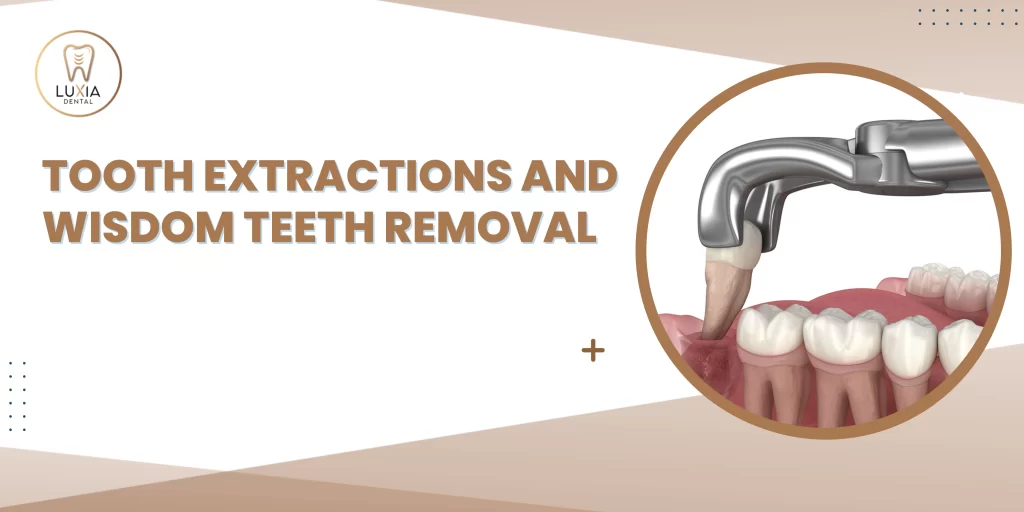
There’s something about dental pain that hits at the edges of midnight, when everything else is quiet and suddenly your mouth feels like it has its own heartbeat. You lie there, thinking about the appointment you finally booked, the tooth that has overstayed its welcome, the swelling that feels like a tiny storm under your cheek. You start to wonder what the moment after the tooth extraction will feel like, how the body heals such a strange empty space. That’s the thing about tooth extraction recovery, it becomes a small universe you orbit for days, maybe weeks, learning patience the way only discomfort can teach. And wisdom teeth, those late arrivals, always seem to show up with drama. The stories you’ve heard, the swelling your friends posted online, the quiet panic in the back of your throat as you scroll through experiences. Yet as we move into wisdom teeth removal 2025, techniques feel a little more advanced, a little more gentle, a little more like we’ve finally learned how to make the most dreaded procedure strangely manageable. Still, the fear before it happens is real. Fear has a way of filling the gaps even before the dentist removes anything. You think of numbness, of cottony gauze, of slow healing, and something inside you whispers: maybe it won’t be as bad as you’ve imagined. Understanding Tooth Extractions Every tooth extraction feels personal. Some teeth come out quietly, like they know it’s time. Others resist, grip the bone like a stubborn memory. A simple removal feels like pressure and patience, but a surgical tooth extraction carries its own presence, a deeper stillness, a kind of trust you place in the hands working inside your mouth. The reasons vary. Maybe decay went too far. Maybe the tooth cracked under the weight of one bad bite. Maybe overcrowding turned your mouth into a place with too little room. But once it’s out, there’s this moment strange, relieving, unsettling where your tongue touches empty space and you feel both lighter and oddly incomplete. That’s where the healing begins, in that small quiet gap, in the instructions you follow carefully because you need this to go well. Wisdom Teeth, Their Timing, Their Personality There’s something almost poetic about wisdom teeth showing up in adulthood, as if they’re testing you. Some grow fine, silently, like polite guests. Others, the ones that turn into impacted wisdom teeth, dig sideways, push forward, press against nerves, create swelling that shifts your face slightly. Those are the ones that make wisdom teeth surgery inevitable. And even though technology keeps improving, even though sedation gets smoother, even though people talk about painless wisdom tooth removal like it’s becoming normal now, the experience is still intensely human. You sit in the chair. The light feels too bright. You overthink everything. You wait for the numbness to settle. And somewhere between fear and relief, the procedure begins, then ends faster than your anxiety predicted. You never really notice how much space a tooth takes until you’re given back that space. What Happens During the Tooth Extraction Procedure People always talk about pain, but the truth is you rarely feel pain during the tooth extraction. It’s the pressure that surprises you. The shifting. The moment you realize the sound is more alarming than the sensation. And the dentist narrates gently, or maybe you prefer silence, but either way, you’re held in a strange calm. A surgical tooth extraction involves small incisions, maybe sectioning the tooth, maybe removing a bit of bone. It sounds intense, but it’s simply technique meeting necessity. You breathe. You wait. You try not to think about the tooth’s shape. And then it’s done. You sit up feeling slightly unreal, like you stepped out of your own body for a moment. The gauze feels thick. Your face feels foreign. But the hardest part is already behind you. What to Expect After Tooth Extraction Healing is not dramatic. It’s slow. Quiet. Sometimes annoying. That’s why what to expect after tooth extraction feels different once you’re actually living it. There’s the first day ache, soft but steady. The warmth inside the cheek. The swelling that shows itself mostly in photos. You learn to sip water carefully. To avoid hot tea even when you crave it. To speak gently because your jaw feels heavy. You avoid straws. You try not to swallow blood. You realize that chewing on one side is both inconvenient and strangely ceremonial. Your mouth becomes a place you move through slowly, like walking across a room in the dark. Wisdom Teeth Removal and Its Own Category of Recovery Wisdom teeth deserve their own chapter because they come with their own moods. Especially after wisdom teeth surgery, the healing feels layered swelling, soreness, maybe bruising that looks worse than it feels. And yet, it’s manageable. Ice packs become your companions. Pill schedules become your rhythm. You work through the discomfort one careful spoonful at a time. This is where wisdom teeth recovery tips matter, the little habits that make the days easier, that remind you that swelling fades, that healing is not linear but reliable. Sometimes people worry about looking swollen or asymmetrical. Sometimes they worry about the stitches. And sometimes they worry about the way their jaw feels tight. It’s all normal. Your body is adjusting, reshaping, protecting. Recovery Steps That Actually Help Helpful Reminders You’ll Be Glad You Knew Sometimes little thoughts land better as small notes Conclusion Healing from a tooth extraction or wisdom teeth surgery is strangely intimate. You get to know your body in new ways, the sensitivity of your jaw, the patience of your tissues, the resilience you forget you have. You spend days protecting a tiny clot like it’s made of glass. You watch swelling rise and fall like a tide. You avoid certain foods even when craving hits hard. But then slowly, gently, everything settles. The swelling fades. Eating feels normal again. Talking feels normal again. And one morning you wake up and
Emergency Dental Care Guide What To Do for a Toothache or Knocked-Out Tooth
There’s something about dental pain that always hits harder at night, when everything is quiet and your thoughts echo a little too loudly. A throbbing ache in the jaw that won’t let you sleep, or the panic that follows an unexpected accident a slip, a fall, a crunch and suddenly you’re holding part of your tooth in your hand. These moments feel strangely unreal, like time slows down just so your worry can speed up. And in that blur, all you want is clarity, something steady, someone who tells you where to go, what to do, how to breathe through it. That’s where emergency dental care becomes more than a service. It becomes a lifeline, a way of grounding yourself when your mouth feels like a storm. Understanding What Counts as a Dental Emergency Not every discomfort is an emergency, but the ones that are tend to make themselves known in unmistakable ways. The kind of pain that pulses like a warning light. The kind of shock that comes when you see blood in the sink or feel a loose fragment where your tooth should be. Urgent dental care isn’t just about survival, it’s about preventing the small things from becoming irreversible. Because teeth have their own timeline, and when they’re injured, the body responds fast, sometimes too fast, closing windows of opportunity you didn’t even know existed. People often find themselves searching “dental emergency near me” with shaking hands, hoping someone picks up. And in most cities now, a 24-hour emergency dentist isn’t just a luxury it’s a necessity. Because trauma doesn’t wait for office hours. When a Tooth Gets Knocked Out There’s a moment of disbelief that hits before fear kicks in. One second everything’s normal, and the next there’s a gap you can feel with your tongue, a cold emptiness, a shock that vibrates through your gums. Knowing knocked-out tooth what to do instructions can genuinely save the tooth. It’s strange how delicate and resilient we are at the same time. If the tooth is clean, hold it by the crown, never the root. If it’s dirty, rinse it gently but don’t scrub it. Try to place it back into the socket if you can your body, oddly enough, still knows the shape of it. If you can’t, tuck it inside your cheek or in cold milk. That small, almost improvised act can be the difference between keeping your natural tooth and losing it forever. Time matters. Ten minutes is ideal. Thirty minutes is decent. An hour is pushing it. The sooner you reach emergency dental care, the higher the chance it can be replanted. Tooth loss isn’t just physical. It’s emotional. And saving a tooth can feel like saving a part of yourself. The Truth About Severe Toothache Relief A toothache is its own kind of internal scream. When it starts, mild, annoying, nothing more than a whisper, we brush it off. And then it grows. It radiates toward the ear, the jaw, sometimes into the head like a deep hum you can’t shut off. People start searching “severe toothache relief” hoping there’s a magic trick. And there are things that help warm saltwater rinses, cold compresses, over-the-counter pain relievers but they aren’t cures. They’re pauses. Most severe toothaches come from infections, decay, fractures, or something simmering under the surface for months. And if it hurts enough to keep you awake, it’s almost always a sign that your body is asking for help. Urgent dental care becomes less about comfort and more about preventing the infection from spreading, becoming dangerous, even life-threatening. There’s something humbling about dental pain. It reminds you how connected everything is the nerve, the bone, the soft tissue, the mind. Broken Tooth Emergencies and How to Stay Calm A crack, a sharp edge, a missing piece a sudden fracture feels unfair. You weren’t ready for it. And yet here you are, gingerly touching the fragile remains with your tongue, wondering what comes next. A broken tooth emergency doesn’t always bleed. Sometimes it just feels wrong, structurally, emotionally. A part of your smile suddenly interrupted. When this happens, the first step is always to protect what’s left. Rinse your mouth gently. If there are fragments, save them. If the edges are sharp, cover them with dental wax or sugar-free gum. It sounds makeshift, but it keeps the soft tissues safe until you reach help. And yes, you need help. Quickly. A fracture exposes deeper layers of the tooth, making it vulnerable to infection or further breakage. Repairs are most successful when done early. Dental trauma always feels bigger than it looks. That’s okay. It’s human to feel shaken. Tooth Injury First Aid You Should Actually Remember Not everyone knows tooth injury first aid, but everyone should. Small knowledge, big impact. Sometimes it’s the difference between saving a tooth and losing it. Between panic and direction. First aid isn’t medical treatment. It’s what steadies you until the experts take over. And in dental emergencies, that window is crucial. Here are the moments where first aid becomes non-negotiable: Just knowing what to do gives you a sense of control in a moment built on chaos. A Quick List: What to Do the Moment a Dental Emergency Happens When You Need a Dentist Immediately There are times when waiting isn’t just unwise it’s dangerous. Infection can spread into the bloodstream, jawbone, even the brain in rare cases. Trauma can worsen within hours. A dental emergency near me search at the right time can literally protect your future health. Seek help immediately if you have: This is where urgent dental care steps in before things spiral, something people only appreciate once they’ve been through it. Conclusion Dental emergencies arrive uninvited. They interrupt normal days, quiet nights, tender spaces. But you’re not powerless in those moments. Whether it’s a knocked-out tooth what to do situation, a desperate search for severe toothache relief, or handling a broken tooth emergency, knowing your next step can calm the fear. Knowing
Best Dentist in Indianapolis – Exceptional Dental Care for a Healthier, Brighter Smile
You don’t really think about dentists until suddenly you do until your smile feels heavier than it should, or a tiny ache in a back molar starts humming like some quiet, persistent engine you can’t shut off. And that’s usually when the thought slips in. I should probably find someone good. Someone I can trust. Someone who actually listens. And maybe that’s how most people begin their search for the Best Dentist in Indianapolis not with logic, but with a little fear, a little hope, and that oddly tender desire to feel taken care of. Funny how something as small as a tooth can shift your whole mood. A chipped edge, a dull stain, a sudden jolt under hot tea and the world feels slightly off-axis. But stepping into the right dental office… it steadies things. Almost instantly. You feel it in the way the lights fall softly instead of glaring. In the way the staff greets you without rushing. In the way the dentist pauses, actually pauses, before speaking as if they’re thinking with you, not at you. That’s what the Best Dentist in Indianapolis offers. Not just treatment, but presence. Not just procedures, but comfort delivered with the precision of someone who understands that dentistry is never really about teeth. It’s about reassurance. Relief. The quiet miracle of breathing easier. The feeling of being understood maybe that’s what “best” actually means. There’s something almost gentle about a dentist who doesn’t hurry the consultation. Who lets you explain in your own wandering, slightly embarrassed way. Who nods at the right moments not mechanically, but thoughtfully, like they can see the story behind the symptoms. You start describing the sensitivity near your gums. Then no, wait it’s more of a twinge, or maybe a pressure. You try again. They wait. Let you take your time. And somehow the explanation forms more clearly under their calm attention. That’s rare. And when you find it, you remember it. The Best Dentist in Indianapolis doesn’t rely on flashy slogans or clinical jargon. They rely on a slow-building trust that grows between patient and practitioner the kind that turns dental fear into something softer, almost manageable. Technology helps, yes but care is still human. Digital X-rays. Intraoral cameras. 3D imaging that reveals more than you’d expect. All impressive. They give structure to the diagnosis, confidence to the plan. But it’s the interpretation the way the dentist explains the image like a story unfolding that makes you feel grounded. “You see this shadow here,” they might say. “We’re catching it early. That’s good.” And you breathe a little easier, even if you didn’t realize you were holding your breath. The best dental care is like that: a blend of science and empathy, precision and warmth. Something logical wrapped in something deeply, quietly human. Cosmetic dentistry a strange mix of vanity and vulnerability People pretend they want cosmetic dentistry for aesthetics. White smiles. Straight teeth. Instagram perfection. But underneath that veneer no, deeper there’s often an older longing. To feel attractive again. To feel confident. To not hide behind a half-smile during photos. The Best Dentist in Indianapolis understands this double-layered reality. They don’t judge. They don’t dismiss the emotional weight behind a whitening session or a veneer consultation. They just listen maybe even smile softly and help you move toward the version of yourself you’ve been picturing, sometimes secretly, sometimes for years. A brighter smile isn’t superficial. It’s a small form of liberation. Preventive care the quiet hero Cleanings sound simple. Routine. Barely worth mentioning. But they’re the fence that keeps the bigger chaos away the fillings, the root canals, the emergencies that always arrive at the worst possible moment. And there’s a strange comfort in sitting back while a hygienist works with careful, practiced precision. The gentle scraping, the swirl of mint polish, the final cool rinse almost meditative, if you let it be. This is where the Best Dentist in Indianapolis excels: making even the simplest things feel intentional. Family dentistry the way trust travels across generations A child’s first dental visit is a fragile thing. One bad experience can imprint itself like a watermark. But in the right hands soft hands, patient hands a child learns that dental care isn’t something to fear. Parents notice. Grandparents notice. The trust spreads quietly but faithfully until whole families end up in the same waiting room at different points in time. That kind of loyalty doesn’t come from convenience. It comes from care. Deep, consistent care. Restorative work where pain becomes relief, and relief becomes gratitude Fillings. Crowns. Bridges. Dentures. These words sound cold, mechanical. But when you’re in pain, real pain they feel like salvation. There’s a certain look people give after coming out of a procedure that relieved a long-standing ache. A look that blends exhaustion and gratitude. The kind that says, I can finally sleep tonight. And that is where the Best Dentist in Indianapolis quietly shines: they don’t celebrate the procedure. They celebrate your relief. Sometimes healing is a small, private moment but unforgettable all the same. The dentist you return to, even when life gets messy Sometimes you vanish for a year or two. Life gets loud. Bills pile up. Or maybe you avoid the appointment because you feel guilty, too long since your last cleaning. But when you finally walk back in, they don’t judge. They just welcome you, as if the missing months were nothing more than a brief pause in an ongoing conversation. That’s what the best feels like. Not perfection. Just presence. And in a city as wide, buzzing, and beautifully unpredictable as Indianapolis, finding that steady, compassionate presence means everything. When you finally discover the Best Dentist in Indianapolis, something shifts subtly, but permanently. Your smile becomes lighter. Your fear becomes smaller. And suddenly, caring for yourself doesn’t feel like a chore. It feels possible. FAQs 1. How do I know I’ve found the Best Dentist in Indianapolis? When you feel heard, respected, and