Managing Dental Anxiety:–
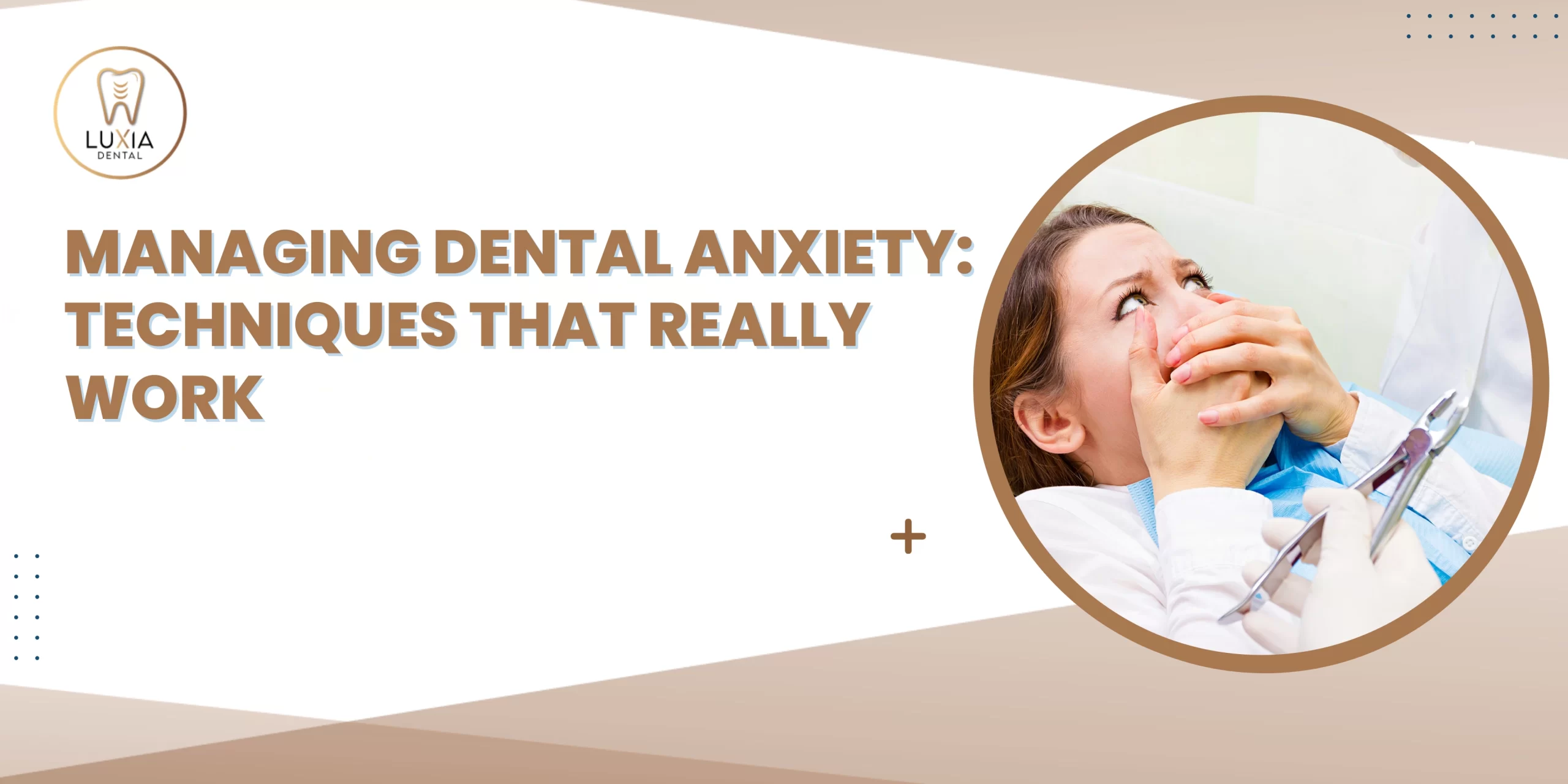
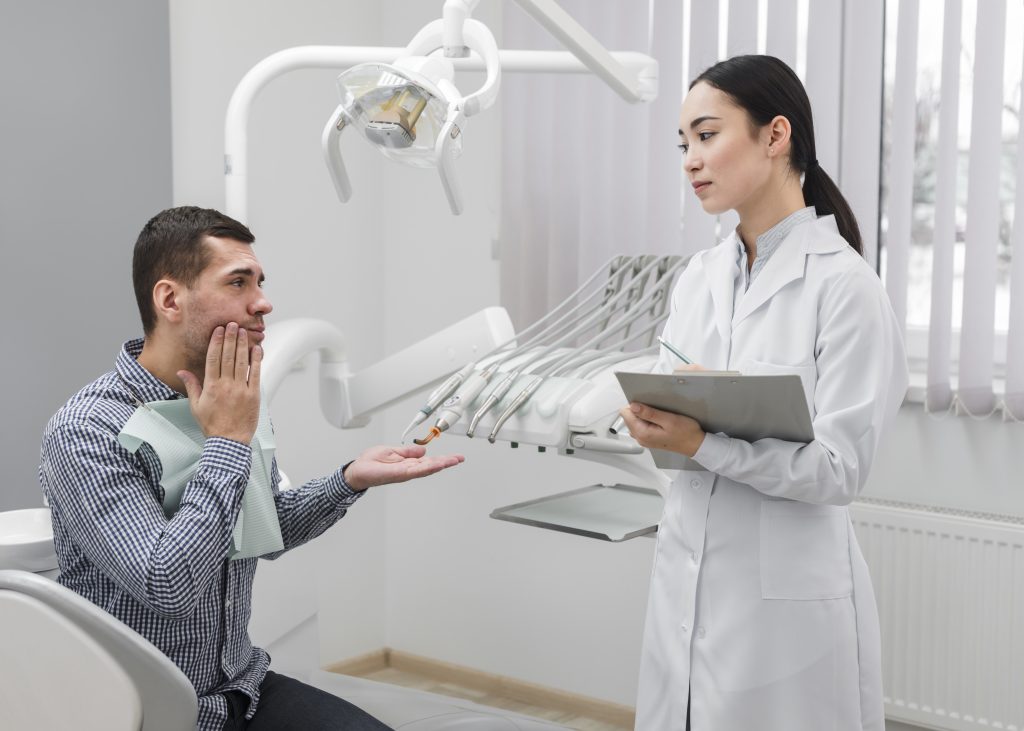
Dental anxiety doesn’t announce itself politely, which is why managing dental anxiety often feels harder than expected.It shows up as a tight chest the night before an appointment. As a cancelled visit that you promise you’ll reschedule. As a joke you make about hating the dentist, even though the joke feels too close to the truth. Sometimes it shows up as nothing at all until you’re in the chair and your body reacts before your mind can catch up.

Late at night, when the world slows and your thoughts stretch out, you might admit it to yourself. That it’s not really about teeth. It’s about control. Vulnerability. Old memories. Sounds and smells that pull you backward without asking permission.
People don’t talk enough about how real this fear is. They minimize it. Brush it off. Tell you to be brave. But fear doesn’t disappear because someone says it shouldn’t exist. It softens only when it’s understood.
That’s where dental anxiety solutions begin. Not with forcing yourself through appointments, but with gentler approaches that respect your nervous system instead of fighting it.
Understanding Where Dental Anxiety Actually Comes From
Managing Dental Anxiety:–
Dental anxiety isn’t irrational. It’s learned. Conditioned. Often built from a single bad experience that settled deep and stayed there.
For some people, it’s childhood memories. For others, it’s a feeling of helplessness — lying back, mouth open, unable to speak. For many, it’s shame. Fear of judgment. Fear of being told they should have done better.
Anxiety thrives in silence. It grows when you feel alone in it.
Understanding this changes everything. Because it reframes anxiety as a response, not a flaw. And responses can be worked with.
The most effective dental anxiety solutions don’t try to erase fear. They make space for it.
Choosing the Right Dentist Is Half the Work
Managing Dental Anxiety:–
This part matters more than any technique. The wrong dentist can undo years of progress in one visit. The right one can help you breathe again.
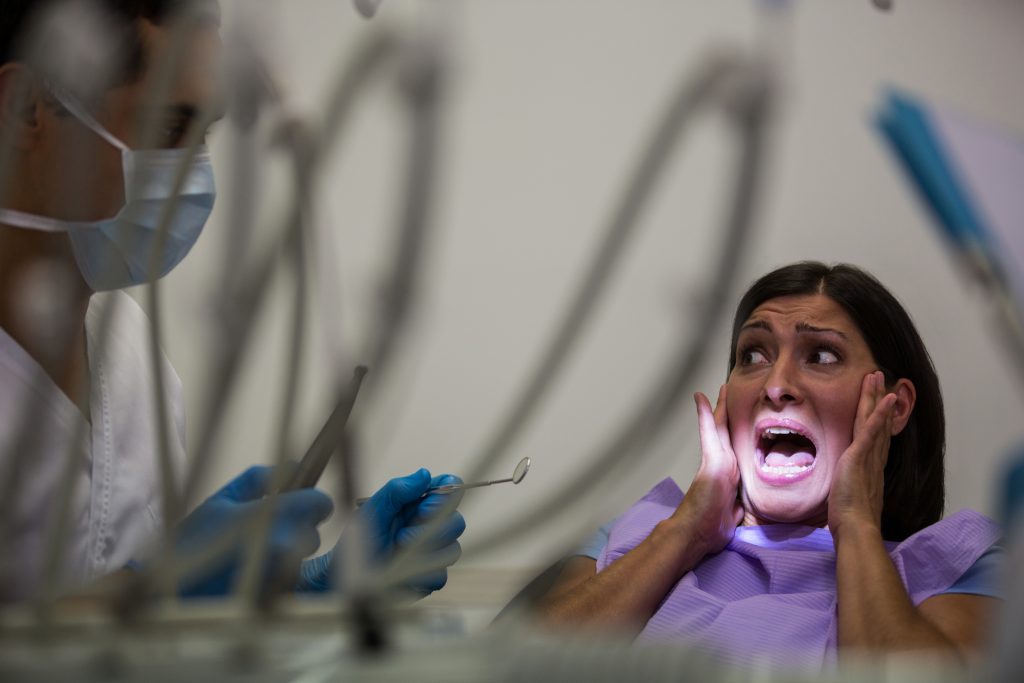
A dentist who understands anxiety moves differently. Speaks differently. Pauses without making you feel difficult.
Look for cues. Do they explain before touching? Do they check in mid-procedure? Do they respect boundaries without ego?
A calm environment isn’t accidental. It’s intentional.
This is the foundation of all calm dental visit tips — safety first, tools second.
Communication That Actually Calms the Body
Anxiety worsens when you don’t know what’s happening. Silence invites imagination, and imagination is rarely kind in a dental chair.
Talking through procedures helps anchor you. Knowing how long something will take helps your nervous system plan. Having a signal to pause gives you back control.

These things sound small, but they’re not.
They turn a passive experience into a collaborative one.
Some simple communication-based supports include:
• Agreeing on a hand signal to stop at any point
• Asking for explanations before each step
• Setting expectations about sensations, not just outcomes
• Letting the dentist know your specific triggers
These are not demands. They’re dental anxiety solutions/managing dental anxiety rooted in respect.
Breathing Isn’t a Cliché, It’s a Tool
Breathing changes chemistry and chemistry and plays an important role in managing dental anxiety during dental visit. It slows heart rate. It tells your brain you’re not in danger, even if part of you insists otherwise.
Shallow breathing feeds panic. Slow breathing interrupts it.
You don’t need complicated techniques. Just intention.
Inhale through the nose. Longer exhale through the mouth. Count if it helps. Don’t if it doesn’t.
Some people sync breathing with background music. Others focus on a fixed point on the ceiling. Some repeat phrases quietly in their head.
These aren’t tricks. They’re Managing Dental Anxiety that meet your body where it is.
Distraction as a Legitimate Strategy
Distraction isn’t avoidance. It’s redirection. And the brain can only focus fully on one thing at a time.
Music. Podcasts. Audiobooks. Guided meditations. Even watching something on a screen if the clinic allows it.
Distraction creates a parallel experience that keeps your mind from spiraling.
The goal isn’t to forget you’re at the dentist. It’s to prevent your fear from narrating the entire visit.
This approach works especially well for people whose anxiety is rooted in anticipation rather than pain.
It’s one of the most underrated dental anxiety solutions/managing dental anxiety because it feels too simple to be effective. But it is.
Sedation Isn’t Failure, It’s Support
There’s a lot of quiet shame around sedation. As if needing help means you’re weak. It doesn’t.
Sedation dentistry exists because anxiety is real and persistent for many people. It’s not an escape. It’s a bridge.
Options range from mild oral sedatives to deeper forms of sedation, depending on need and procedure. Some keep you relaxed but awake. Others blur the experience so time passes differently.
What matters is choice. Consent. Understanding.
For some people, sedation dentistry/managing dental anxiety is what finally allows them to receive care without trauma. That matters more than outdated ideas of toughness.
Gradual Exposure, Done Kindly
You don’t have to do everything at once. In fact, trying to often backfires.
Short visits help. Consultations without treatment. Sitting in the chair without tools. Building familiarity slowly.
Your nervous system learns through repetition, not logic.
Each neutral or positive experience rewrites memory. Slowly. Quietly.
This approach works especially well when paired with a dentist who understands pacing.
It’s one of the more patient dental anxiety solutions, and one of the most lasting.
The Role of Trust in Healing Anxiety
Anxiety dissolves in trust. Not immediately. Not magically. But steadily.
Trust grows when you’re believed. When your fear isn’t minimized. When your boundaries are respected.
A trusting relationship with your dentist changes how your body reacts before your mind even notices.
This is why switching dentists can be life-changing for anxious patients.
The best calm dental visit tips assume that trust isn’t automatic. It’s built.
When Anxiety Has Deep Roots
Sometimes dental anxiety isn’t just about dentistry. It’s tied to broader anxiety, trauma, or control issues.
In these cases, outside support helps. Therapy. Somatic work. Mindfulness practices. Medication when appropriate.
This isn’t overreacting. It’s comprehensive care.
Dentistry doesn’t exist in isolation from mental health. And pretending it does keeps people stuck.
The most compassionate dental anxiety solutions acknowledge this overlap without judgment.
Conclusion
Dental anxiety isn’t a personal failure. It’s a signal. A memory. A protective response that learned its job too well.
Managing it isn’t about managing dental anxiety isn’t about becoming fearless.It’s about becoming supported.
Whether through communication, breathing, distraction, trust, or sedation dentistry/managing dental anxiety, what works is what meets you where you are, not where you think you should be.
The goal isn’t to love dental visits. It’s to survive them with dignity. Maybe even leave feeling proud.
And on some quiet night, brushing your teeth before bed, you might realize something shifted. That the fear loosened. Just a little.
That’s enough.
FAQs
1. Is dental anxiety common
Yes. Very. Many adults experience some level of fear, even if they don’t talk about it.
2. Can anxiety really be managed without medication
For many people, yes. Calm dental visit tips like breathing, communication, and trust-building are often enough.
3. Is sedation safe for anxious patients
When properly administered, sedation dentistry is considered safe and effective for managing severe anxiety.
4. Should I tell my dentist about my fear
Absolutely. Open communication is one of the most effective dental anxiety solutions available.
5. What if I’ve avoided the dentist for year
You’re not alone. Many dentists specialize in helping patients return to care gently and without judgment.