There’s something about dental pain that hits at the edges of midnight, when everything else is quiet and suddenly your mouth feels like it has its own heartbeat. You lie there, thinking about the appointment you finally booked, the tooth that has overstayed its welcome, the swelling that feels like a tiny storm under your cheek. You start to wonder what the moment after the tooth extraction will feel like, how the body heals such a strange empty space. That’s the thing about tooth extraction recovery, it becomes a small universe you orbit for days, maybe weeks, learning patience the way only discomfort can teach.
And wisdom teeth, those late arrivals, always seem to show up with drama. The stories you’ve heard, the swelling your friends posted online, the quiet panic in the back of your throat as you scroll through experiences. Yet as we move into wisdom teeth removal 2025, techniques feel a little more advanced, a little more gentle, a little more like we’ve finally learned how to make the most dreaded procedure strangely manageable. Still, the fear before it happens is real. Fear has a way of filling the gaps even before the dentist removes anything.
You think of numbness, of cottony gauze, of slow healing, and something inside you whispers: maybe it won’t be as bad as you’ve imagined.

Understanding Tooth Extractions
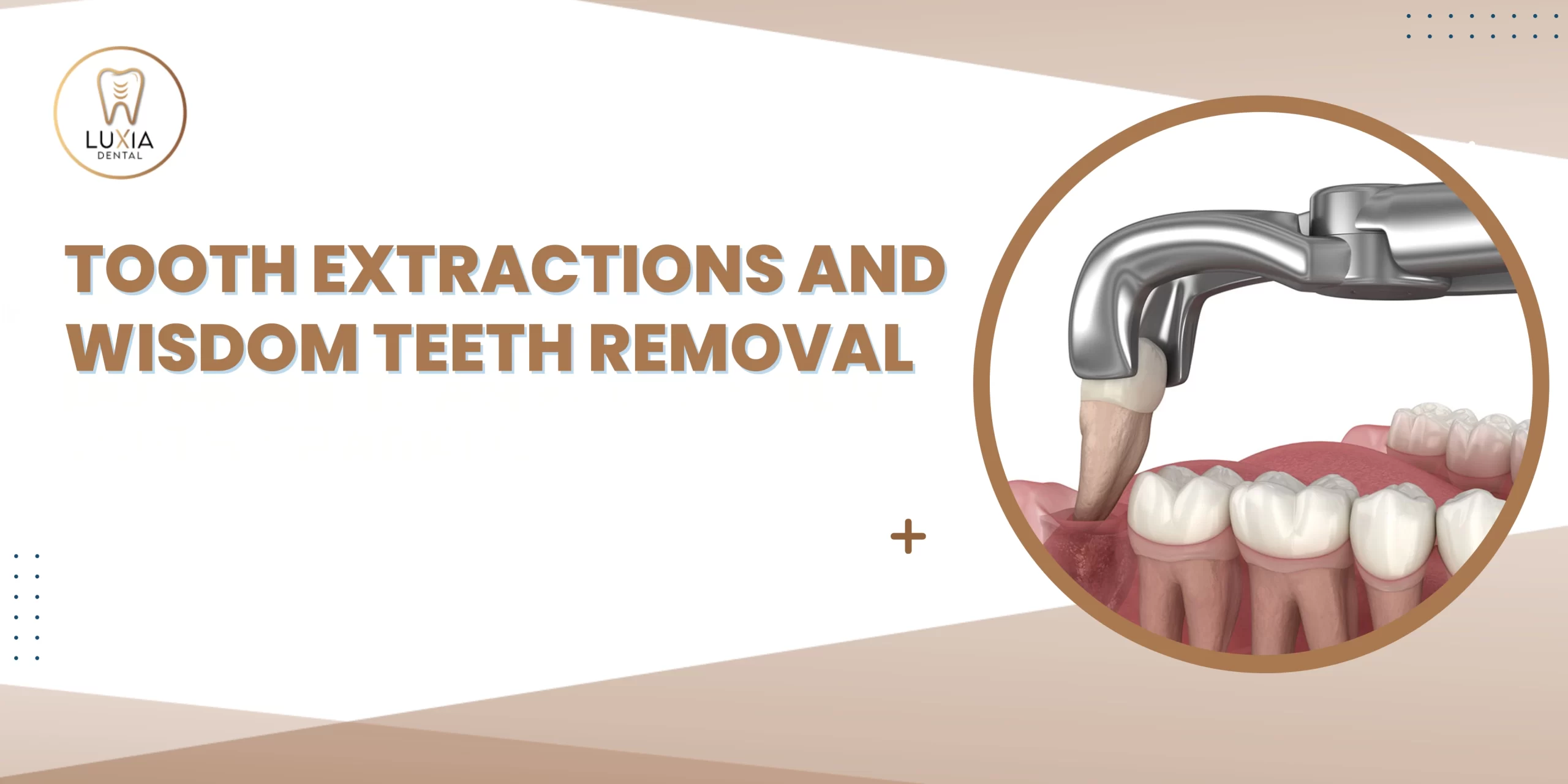
Every tooth extraction feels personal. Some teeth come out quietly, like they know it’s time. Others resist, grip the bone like a stubborn memory. A simple removal feels like pressure and patience, but a surgical tooth extraction carries its own presence, a deeper stillness, a kind of trust you place in the hands working inside your mouth.
The reasons vary. Maybe decay went too far. Maybe the tooth cracked under the weight of one bad bite. Maybe overcrowding turned your mouth into a place with too little room. But once it’s out, there’s this moment strange, relieving, unsettling where your tongue touches empty space and you feel both lighter and oddly incomplete.
That’s where the healing begins, in that small quiet gap, in the instructions you follow carefully because you need this to go well.
Wisdom Teeth, Their Timing, Their Personality
There’s something almost poetic about wisdom teeth showing up in adulthood, as if they’re testing you. Some grow fine, silently, like polite guests. Others, the ones that turn into impacted wisdom teeth, dig sideways, push forward, press against nerves, create swelling that shifts your face slightly. Those are the ones that make wisdom teeth surgery inevitable.
And even though technology keeps improving, even though sedation gets smoother, even though people talk about painless wisdom tooth removal like it’s becoming normal now, the experience is still intensely human. You sit in the chair. The light feels too bright. You overthink everything. You wait for the numbness to settle. And somewhere between fear and relief, the procedure begins, then ends faster than your anxiety predicted.
You never really notice how much space a tooth takes until you’re given back that space.
What Happens During the Tooth Extraction Procedure
People always talk about pain, but the truth is you rarely feel pain during the tooth extraction. It’s the pressure that surprises you. The shifting. The moment you realize the sound is more alarming than the sensation. And the dentist narrates gently, or maybe you prefer silence, but either way, you’re held in a strange calm.
A surgical tooth extraction involves small incisions, maybe sectioning the tooth, maybe removing a bit of bone. It sounds intense, but it’s simply technique meeting necessity. You breathe. You wait. You try not to think about the tooth’s shape. And then it’s done.
You sit up feeling slightly unreal, like you stepped out of your own body for a moment. The gauze feels thick. Your face feels foreign. But the hardest part is already behind you.

What to Expect After Tooth Extraction
Healing is not dramatic. It’s slow. Quiet. Sometimes annoying. That’s why what to expect after tooth extraction feels different once you’re actually living it. There’s the first day ache, soft but steady. The warmth inside the cheek. The swelling that shows itself mostly in photos. You learn to sip water carefully. To avoid hot tea even when you crave it. To speak gently because your jaw feels heavy.
You avoid straws. You try not to swallow blood. You realize that chewing on one side is both inconvenient and strangely ceremonial.
Your mouth becomes a place you move through slowly, like walking across a room in the dark.
Wisdom Teeth Removal and Its Own Category of Recovery
Wisdom teeth deserve their own chapter because they come with their own moods. Especially after wisdom teeth surgery, the healing feels layered swelling, soreness, maybe bruising that looks worse than it feels. And yet, it’s manageable. Ice packs become your companions. Pill schedules become your rhythm. You work through the discomfort one careful spoonful at a time.
This is where wisdom teeth recovery tips matter, the little habits that make the days easier, that remind you that swelling fades, that healing is not linear but reliable.
Sometimes people worry about looking swollen or asymmetrical. Sometimes they worry about the stitches. And sometimes they worry about the way their jaw feels tight. It’s all normal. Your body is adjusting, reshaping, protecting.
Recovery Steps That Actually Help
- Rest more than you think you need because healing thrives in stillness
- Keep ice nearby during the first 24 hours, it quiets the swelling before it grows louder
- Drink water slowly, patiently, so you don’t disturb the forming clot
- Eat soft foods that don’t require effort; don’t rush your first chew
- Take medicines on time, not when the pain returns but before it gets the chance
- Avoid straws, smoke, or forceful rinsing because suction is the enemy of healing
- Start warm salt rinses only when your dentist tells you, gentle movements only
- Sleep with your head slightly raised, it helps with swelling more than you’d expect
- Listen to your body, its whispers matter more than any Google search
- Trust the process even when it feels slow, because it always moves, even when you don’t notice

Helpful Reminders You’ll Be Glad You Knew
Sometimes little thoughts land better as small notes
- Slight oozing is normal, don’t panic at pink saliva
- Bruising can appear suddenly but fades quietly
- Your face may feel stiff; warm compresses later help
- Emotional dips happen, swelling changes how you feel in your skin
- Numbness may linger longer than expected, but it almost always returns to normal
Conclusion
Healing from a tooth extraction or wisdom teeth surgery is strangely intimate. You get to know your body in new ways, the sensitivity of your jaw, the patience of your tissues, the resilience you forget you have. You spend days protecting a tiny clot like it’s made of glass. You watch swelling rise and fall like a tide. You avoid certain foods even when craving hits hard.
But then slowly, gently, everything settles. The swelling fades. Eating feels normal again. Talking feels normal again. And one morning you wake up and forget there was ever a hole in your mouth because the body has a way of closing things quietly, beautifully.
The fear, the discomfort, the strange moments of vulnerability all of it becomes a memory your future self barely thinks about.
FAQs Section
1. How long does tooth extraction recovery normally take?
Most people feel better in a few days, but complete healing can take a couple of weeks depending on the procedure.
2. Is painless wisdom tooth removal actually possible?
Yes, modern anesthesia makes the procedure itself pain-free for nearly everyone.
3. What foods should I eat after wisdom teeth surgery?
Soft foods like yogurt, mashed potatoes, soups, puddings, and smoothies without straws.
4. How do I know if I have impacted wisdom teeth?
You may feel pressure, swelling, discomfort, or see it confirmed through an X-ray.
5. Are wisdom teeth recovery tips the same for everyone?
Most apply to everyone, but your dentist may adjust them based on how complex your tooth extraction was.