There’s something about dental pain that always hits harder at night, when everything is quiet and your thoughts echo a little too loudly. A throbbing ache in the jaw that won’t let you sleep, or the panic that follows an unexpected accident a slip, a fall, a crunch and suddenly you’re holding part of your tooth in your hand. These moments feel strangely unreal, like time slows down just so your worry can speed up. And in that blur, all you want is clarity, something steady, someone who tells you where to go, what to do, how to breathe through it. That’s where emergency dental care becomes more than a service. It becomes a lifeline, a way of grounding yourself when your mouth feels like a storm.
Understanding What Counts as a Dental Emergency
Not every discomfort is an emergency, but the ones that are tend to make themselves known in unmistakable ways. The kind of pain that pulses like a warning light. The kind of shock that comes when you see blood in the sink or feel a loose fragment where your tooth should be. Urgent dental care isn’t just about survival, it’s about preventing the small things from becoming irreversible. Because teeth have their own timeline, and when they’re injured, the body responds fast, sometimes too fast, closing windows of opportunity you didn’t even know existed.
People often find themselves searching “dental emergency near me” with shaking hands, hoping someone picks up. And in most cities now, a 24-hour emergency dentist isn’t just a luxury it’s a necessity. Because trauma doesn’t wait for office hours.
When a Tooth Gets Knocked Out
There’s a moment of disbelief that hits before fear kicks in. One second everything’s normal, and the next there’s a gap you can feel with your tongue, a cold emptiness, a shock that vibrates through your gums. Knowing knocked-out tooth what to do instructions can genuinely save the tooth. It’s strange how delicate and resilient we are at the same time.
If the tooth is clean, hold it by the crown, never the root. If it’s dirty, rinse it gently but don’t scrub it. Try to place it back into the socket if you can your body, oddly enough, still knows the shape of it. If you can’t, tuck it inside your cheek or in cold milk. That small, almost improvised act can be the difference between keeping your natural tooth and losing it forever.
Time matters. Ten minutes is ideal. Thirty minutes is decent. An hour is pushing it. The sooner you reach emergency dental care, the higher the chance it can be replanted. Tooth loss isn’t just physical. It’s emotional. And saving a tooth can feel like saving a part of yourself.
The Truth About Severe Toothache Relief
A toothache is its own kind of internal scream. When it starts, mild, annoying, nothing more than a whisper, we brush it off. And then it grows. It radiates toward the ear, the jaw, sometimes into the head like a deep hum you can’t shut off. People start searching “severe toothache relief” hoping there’s a magic trick. And there are things that help warm saltwater rinses, cold compresses, over-the-counter pain relievers but they aren’t cures. They’re pauses.
Most severe toothaches come from infections, decay, fractures, or something simmering under the surface for months. And if it hurts enough to keep you awake, it’s almost always a sign that your body is asking for help. Urgent dental care becomes less about comfort and more about preventing the infection from spreading, becoming dangerous, even life-threatening.
There’s something humbling about dental pain. It reminds you how connected everything is the nerve, the bone, the soft tissue, the mind.
Broken Tooth Emergencies and How to Stay Calm
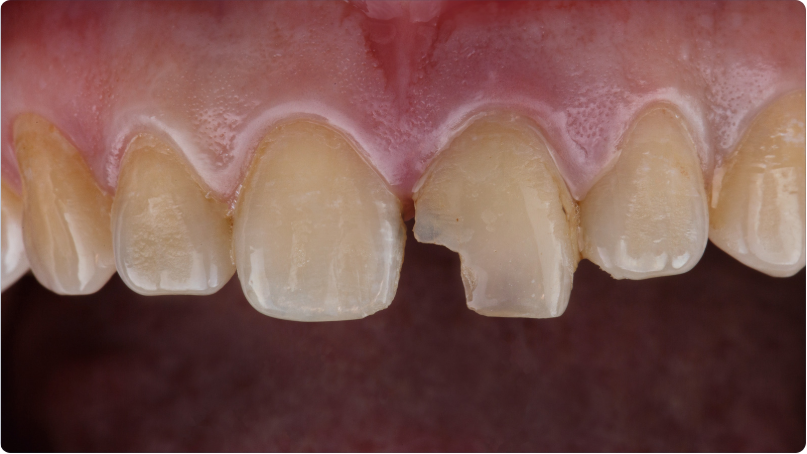
A crack, a sharp edge, a missing piece a sudden fracture feels unfair. You weren’t ready for it. And yet here you are, gingerly touching the fragile remains with your tongue, wondering what comes next. A broken tooth emergency doesn’t always bleed. Sometimes it just feels wrong, structurally, emotionally. A part of your smile suddenly interrupted.
When this happens, the first step is always to protect what’s left. Rinse your mouth gently. If there are fragments, save them. If the edges are sharp, cover them with dental wax or sugar-free gum. It sounds makeshift, but it keeps the soft tissues safe until you reach help. And yes, you need help. Quickly. A fracture exposes deeper layers of the tooth, making it vulnerable to infection or further breakage. Repairs are most successful when done early.
Dental trauma always feels bigger than it looks. That’s okay. It’s human to feel shaken.
Tooth Injury First Aid You Should Actually Remember
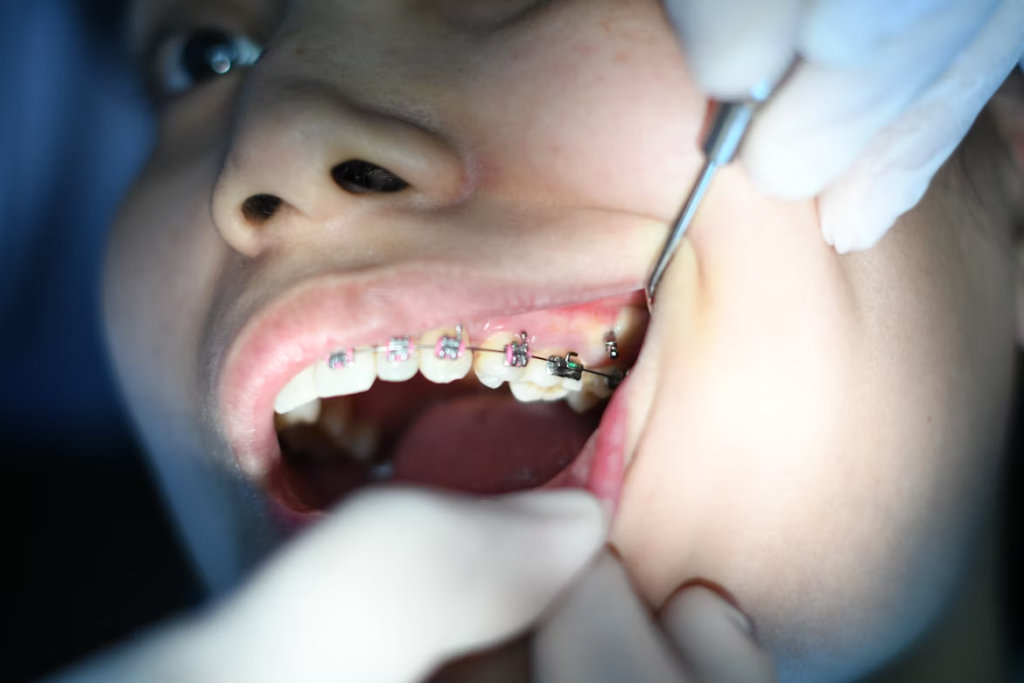
Not everyone knows tooth injury first aid, but everyone should. Small knowledge, big impact. Sometimes it’s the difference between saving a tooth and losing it. Between panic and direction. First aid isn’t medical treatment. It’s what steadies you until the experts take over. And in dental emergencies, that window is crucial.
Here are the moments where first aid becomes non-negotiable:
- When a tooth is knocked out and you have minutes to act
- When a tooth is fractured and the pulp might be exposed
- When bleeding won’t stop after trauma
- When swelling expands rapidly
- When pain spikes suddenly after an injury
- When you feel pressure, heat, or throbbing that suggests infection
Just knowing what to do gives you a sense of control in a moment built on chaos.
A Quick List: What to Do the Moment a Dental Emergency Happens
- Stay calm so you can think clearly.
- Locate the tooth or fragments if something broke.
- Rinse gently but avoid scrubbing.
- Reinsert the tooth if it’s knocked out, or store it in milk.
- Apply cold compresses to reduce swelling.
- Call a 24-hour emergency dentist or the nearest clinic offering emergency dental care.
- Avoid aspirin directly on the gums; it can burn the tissue.
When You Need a Dentist Immediately
There are times when waiting isn’t just unwise it’s dangerous. Infection can spread into the bloodstream, jawbone, even the brain in rare cases. Trauma can worsen within hours. A dental emergency near me search at the right time can literally protect your future health.
Seek help immediately if you have:
- Facial swelling that’s spreading
- Fever combined with tooth pain
- A tooth that’s been completely knocked out
- Bleeding that won’t slow
- A cracked tooth with visible red or pink tissue inside
- Pain that intensifies rapidly
This is where urgent dental care steps in before things spiral, something people only appreciate once they’ve been through it.
Conclusion
Dental emergencies arrive uninvited. They interrupt normal days, quiet nights, tender spaces. But you’re not powerless in those moments. Whether it’s a knocked-out tooth what to do situation, a desperate search for severe toothache relief, or handling a broken tooth emergency, knowing your next step can calm the fear. Knowing a 24-hour emergency dentist exists can steady you. Teeth break, crack, ache, fall but solutions exist, and timing is everything. So breathe, act, move toward help. Your smile is repairable, saveable, worth the urgency.
FAQs Section
1. What counts as a true dental emergency?
Anything involving intense pain, bleeding, infection, or trauma requires emergency dental care.
2. How fast should I act after a knocked-out tooth?
Immediately. Follow knocked-out tooth what to do steps and reach a dentist within 30 minutes for the best chance of saving it.
3. Can severe toothache be dangerous?
Yes. Infection can spread, so seek severe toothache relief at a clinic offering urgent dental care.
4. Where can I find a dentist at night?
Search for a 24-hour emergency dentist or dental emergency near me services in your area.
5. What should I do if part of my tooth breaks off?
Save the fragment, protect the area, and visit a dentist immediately for a broken tooth emergency.