Cavity Detection Technology:-
There’s something strangely intimate about sitting in a dental chair. The lights are too bright. The room smells faintly sterile. Someone asks you to open wider, and for a few quiet minutes, your mouth becomes a landscape being explored. In those moments, you realize how much trust you place in tiny tools, trained eyes, and the hope that if something is wrong, it will be caught early. Before it hurts. Before it becomes a story you didn’t want.
Cavities rarely arrive dramatically. They whisper. They hide. They take their time. And for decades, dentists have relied on experience, sharp probes, and X-rays to find them. Effective, yes. But imperfect. Because not everything shows up clearly when it’s just beginning. And beginnings matter.
This is where Cavity Detection Technology quietly steps in, not with loud promises, but with precision. With patience. With a kind of listening that older tools couldn’t quite manage. The shift isn’t just technological. It’s emotional. It’s about catching decay before it feels like betrayal.
Late at night, when you think about health differently, more softly, more honestly, you realize how much relief there is in early knowing. In prevention that doesn’t require pain first. That’s the real story here.
Why Early Detection Changes Everything
Cavity Detection Technology:-
A cavity caught early isn’t really a cavity yet. It’s a warning. A softened spot. A place where minerals are thinning, not gone. That distinction matters more than most people realize.
Traditional methods often found decay once it crossed a visible threshold. Once drilling felt inevitable. But early cavity diagnosis shifts the entire narrative. It turns dentistry from repair into guidance. From intervention into conversation.
When decay is identified at the earliest stage, remineralization becomes possible. Monitoring becomes an option. Fear loosens its grip. And suddenly, dental visits feel less like judgment and more like collaboration.
That emotional shift is subtle, but powerful. And it’s driven by tools that can see what eyes alone cannot.
Digital Eyes Replacing Guesswork
Dentistry, like many medical fields, is moving from analog intuition to digital clarity. Not because intuition failed, but because it deserves better support.
Digital dental tools don’t replace dentists. They extend them. They offer confirmation, context, and sometimes contradiction — which is a good thing in medicine.
High-resolution intraoral cameras now allow both dentist and patient to see the same image in real time. No more vague explanations. No more blind trust. Just shared visibility.
Seeing a suspicious shadow magnified on a screen changes how information lands. It becomes real, but not scary. Known, not guessed.
This transparency is one of the quiet revolutions of modern Cavity Detection Technology
Laser Fluorescence and the Language of Light
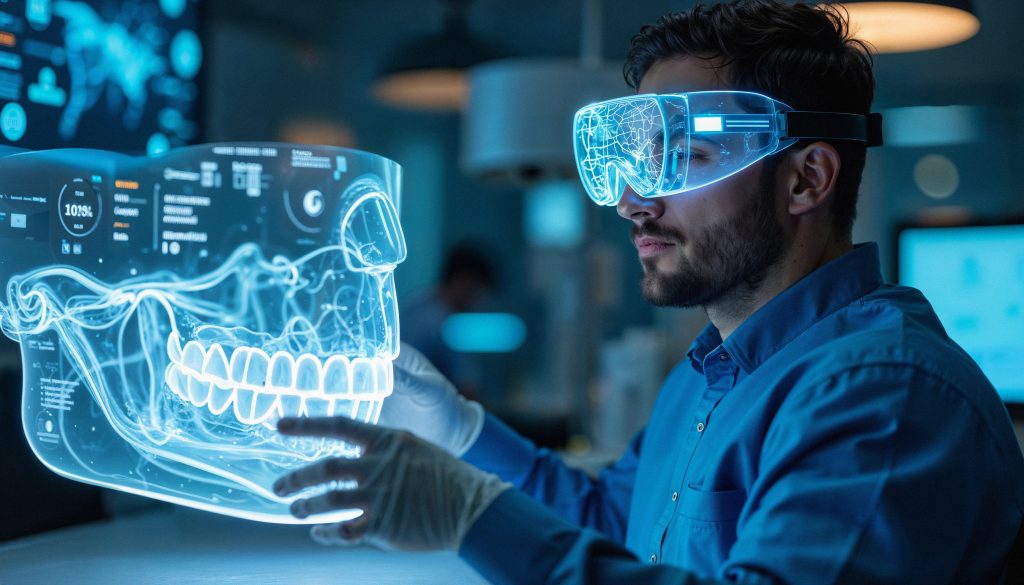
Some of the most fascinating advances involve light itself. Laser fluorescence devices scan tooth surfaces and measure how they react. Healthy enamel reflects light differently than demineralized areas.
The idea feels almost poetic. Teeth revealing their health through light response. Decay announcing itself not through pain, but through subtle signals.
These tools don’t just say yes or no. They provide readings. Gradients. Degrees of concern.
Used thoughtfully, they support early cavity diagnosis/cavity detection technology by highlighting areas that deserve attention, even if they don’t yet require action.
They encourage watching instead of rushing. And in healthcare, patience is often underrated.
AI Is Quietly Joining the Dental Chair
Cavity Detection Technology:-
Artificial intelligence sounds intimidating until you realize what it’s actually doing. It’s not deciding your treatment. It’s scanning images. Spotting patterns. Flagging areas that might otherwise be overlooked.
AI-assisted radiograph analysis can identify early enamel changes, overlapping shadows, or subtle density differences that the human eye might miss on a busy day.
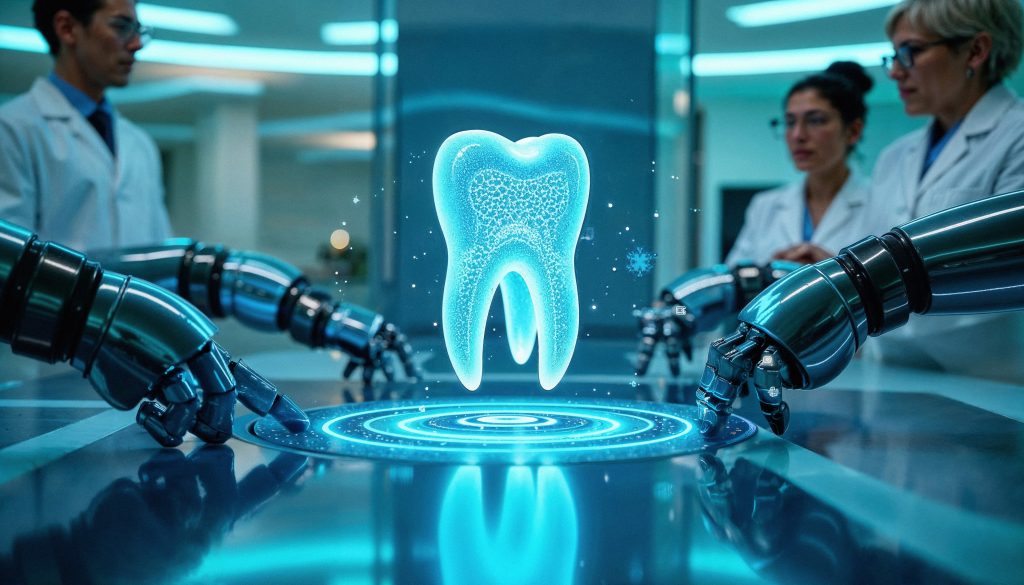
This doesn’t remove human judgment. It sharpens it.
In this sense, digital dental tools act like a second set of eyes that never get tired. Never rush. Never assume.
And when combined with a dentist who listens, explains, and contextualizes, the result feels less clinical and more caring.
Electrical Conductance and Moisture Mapping
Cavity Detection Technology:-
Another lesser-known method measures how electricity moves through tooth structure. Healthy enamel resists electrical flow. Demineralized enamel allows it more easily.
It’s strange to think of teeth in terms of conductivity, but it works. And it’s especially useful for detecting decay between teeth or beneath the surface.
These readings don’t scream. They suggest. They add data to the story your mouth is already telling.
This is the beauty of modern Cavity Detection Technology. It’s layered. No single tool claims certainty. They collaborate. Just like good clinicians do.
What These Technologies Change for Patients
The biggest shift isn’t technical. It’s emotional.
Patients are no longer passive recipients of news. They’re participants in understanding their oral health. Seeing images. Tracking changes. Making informed choices.

This shared awareness reduces anxiety. It builds trust. It reframes dental visits as proactive rather than reactive.
Some subtle but meaningful outcomes include:
• Fewer surprise fillings because decay is caught earlier
• More opportunities for non-invasive treatments
• Better understanding of personal risk factors
• Increased motivation to improve daily habits
All of this flows naturally from early cavity diagnosis/cavity detection technology.
when done with care and communication.
When Technology Needs Human Restraint
Not every advanced tool should be used aggressively. More data doesn’t always mean more drilling. And good dentists understand this.
Technology should guide decisions, not dictate them. A reading is a clue, not a verdict. Context matters. History matters. Symptoms matter.
This is where experience and empathy remain irreplaceable.
The best use of digital dental tools happens when technology slows dentistry down instead of speeding it up. When it creates space for discussion rather than urgency.
That balance is delicate. And when it’s right, it feels right.
Accessibility and the Slow Trickling In
Not every clinic has access to the latest tools. Cost, training, and infrastructure all play roles. Innovation doesn’t arrive everywhere at once.
But the trend is clear. What was once specialized becomes standard. What was once expensive becomes expected.
As cavity detection tech becomes more accessible, the standard of care rises quietly across the board. Patients begin to expect explanation, images, and early warnings.
And expectations, once raised, rarely go back down.
The Future Feels Preventive, Not Punitive
Cavity Detection Technology:-
Dentistry has long carried a reputation of discomfort and fear. Much of that comes from late detection. From problems found only when they hurt.
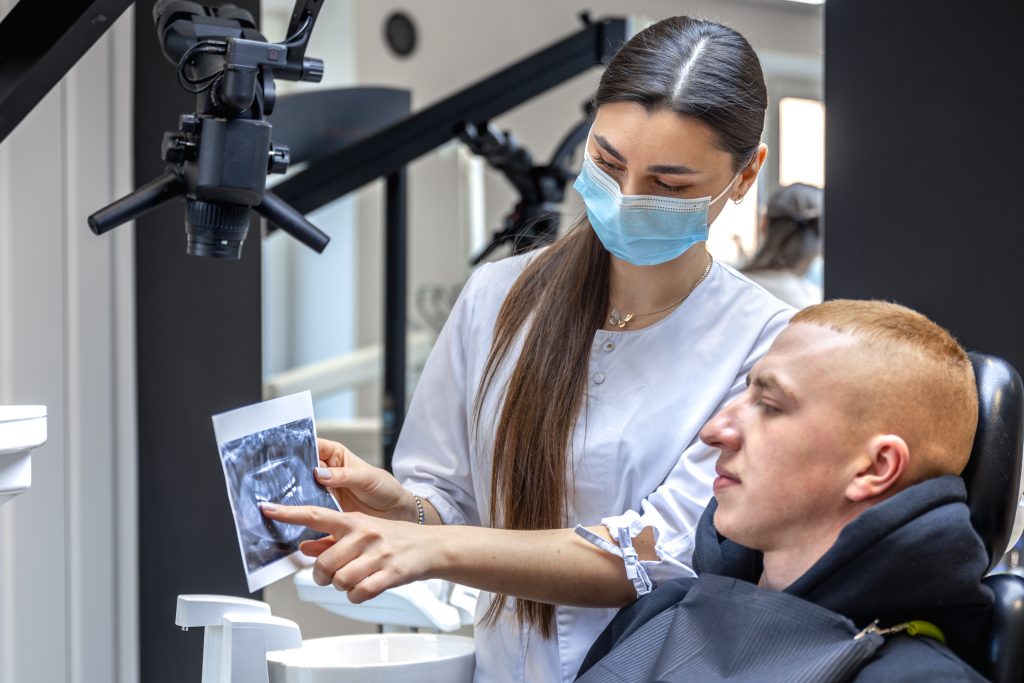
Technology is rewriting that narrative, slowly, patiently.
The future suggested by early cavity diagnosis isn’t pain-free perfection. It’s awareness. It’s maintenance. It’s fewer emergencies and more conversations.
And that future feels gentler.
Conclusion
There’s something comforting about knowing that decay doesn’t have to surprise you anymore. That tiny changes can be seen before they turn into bigger stories. That your teeth aren’t silently failing while you’re busy living.
The latest advances in Cavity Detection Technology aren’t about flashy machines or futuristic promises. They’re about timing. About respect for the body’s early signals. About choosing observation over intervention whenever possible.
With the help of digital dental tools, dentistry is becoming less about fixing damage and more about protecting what’s still intact.
And that shift, quiet as it is, changes everything.
FAQs
1. Are these new cavity detection technologies painful
No. Most are non-invasive and involve scanning, light, or imaging without discomfort.
2. Do these tools replace traditional X-rays
They complement them. X-rays are still valuable, but digital dental tools add layers of insight.
3. Can early cavities really be reversed
In many cases, yes. Early cavity diagnosis allows for remineralization and monitoring instead of drilling.
4. Is AI reliable in dental diagnostics
AI assists, it doesn’t decide. Its reliability depends on how it’s used alongside professional judgment.
5. Will these technologies increase dental costs
Initially, some may. But over time, early detection often reduces the need for expensive treatments.