Why Is One Tooth Experiencing Painful Receding Gums? Causes & Treatment Options
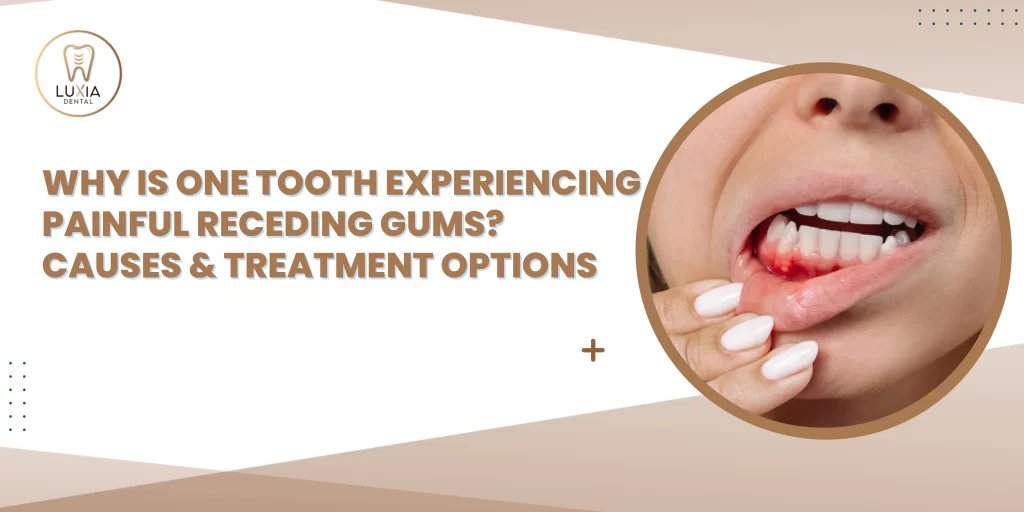
A lot of people are overwhelmed and anxious when they notice One Tooth Experiencing Painful Receding Gums, while the rest of their gums appear healthy and normal. This issue can be uncomfortable and sometimes alarming, especially when the pain increases while eating or brushing. The good news is that One Tooth Experiencing Painful Receding Gums is a fairly common condition and can be effectively treated if addressed at an early stage. This article explains why painful receding gums affect only one tooth, what triggers the condition, the most common symptoms, available treatment options, and the best ways to prevent it in the future. Painful receding gums in one tooth often occur when gum tissue pulls away from a particular tooth due to aggressive brushing, periodontal disease, or localized trauma. Early recognition and treatment help prevent further tissue loss, sensitivity, infection, and tooth instability. The information is presented in simple, easy-to-understand language so that everyone can grasp it clearly. What Does One Tooth Experiencing Painful Receding Gums Mean? Painful receding gums in one tooth typically result from a combination of localized irritation, gum inflammation, or periodontal disease that affects only a specific area. As opposed to enamel teeth, the root of your tooth is not protected by a strong shield. When exposed, you might be able to feel pain, sensitivity, or even numbness. The issue often affects just one tooth because of local factors rather than overall gum condition. Common Symptoms of Painful Receding Gums: One Tooth One Tooth Experiencing Painful Receding Gums:- If only 1 tooth has been affected, the signs are often obvious. The signs can be mild, but they will get worse over time. Inattention to these signs can result in serious dental problems in the future. Main Causes of Painful Receding Gums in One Tooth The One Tooth Experiencing Painful Receding Gums:- There are a myriad of reasons why the One Tooth Experiencing Painful Receding Gums could occur. In the majority of cases, it’s due to the local area or habits. Aggressive or Wrong Brushing Technique Too hard to brush or using hard-bristled brushes is among the most frequently cited reasons. In most cases One Tooth Experiencing Painful Receding Gums is caused by local factors such as aggressive brushing, plaque buildup, or tooth misalignment. In time, this can cause gum recession and pain. Poor Oral Hygiene Around One Tooth If plaque forms around a tooth more than other teeth, this can irritate the gums. It usually occurs in the vicinity of back teeth or around teeth that are crowded. Gum Infection or Early Gum Disease In some cases, painful receding gums on one tooth can be a sign of localized gum disease. If it is not treated, the problem may spread to nearby teeth. Teeth Grinding or Clenching (Bruxism) The act of grinding your teeth can put extra stress on your teeth. A lot of users grind their teeth without realizing it at night. Misaligned or Crooked Tooth Teeth that are not in their proper position could cause stress to the gums around them. This creates difficult receding gums on one tooth more likely. Dental Trauma or Injury A fall, a hit, or even an accident could damage the gums surrounding one tooth. The pain may begin in the weeks or months following the injury. Improper Dental Work Fillings and crowns that are not properly fitted or braces could cause irritation to the gums. This requires professional correction. Hormonal Changes and Health Conditions The effects of hormonal changes can affect the health of your gums. This can lead to gum problems that are localized. Why Does It Hurt So Much When Gums Recede? One Tooth Experiencing Painful Receding Gums:- The pain is caused when the tooth root gets exposed. Teeth roots have small nerve endings. If they are exposed to air, food, or temperature fluctuations, the roots react strongly. Gums receding painfully in one tooth causes more pain because: This pain must never be overlooked. Treatment Options for Painful Receding Gums: One Tooth Treatment for One Tooth Experiencing Painful Receding Gums depends on the severity and may include improved oral hygiene or profeessional dental care. The treatment is contingent on the severity of the recession. The earlier treatment will yield the most effective outcomes. Improving Oral Hygiene Habits For mild cases, simple changes can help. This helps prevent any further injury. Professional Dental Cleaning Dentists take care of tartar and plaque buildup. This is extremely beneficial for early gum issues. Desensitizing Toothpaste Special toothpaste reduces nerve sensitivity. It is most effective with regular usage. Medicated Mouthwash Antibacterial mouthwash can help control infections. Always use products that are recommended by your dentist. Gum Grafting Surgery (For Severe Cases) If the recession is severe, it may require surgery. This treatment helps restore gum health. Orthodontic Treatment In the event that tooth alignment may be the reason, braces or aligners can help. This is a long-term approach. How to Prevent Painful Receding Gums in One Tooth Preventive measures are always more effective than a cure. Small changes can make a huge impact. Is It Normal for Gums to Recede Around One Tooth? No — gum recession in one tooth is not typical. Localized recession often indicates irritation, trauma, or periodontal infection. Early examination by a dentist can help determine if the cause is mechanical, infection-related, or linked to gum disease. Can Receding Gums Cause Tooth Pain? Yes — receding gums expose One Tooth Experiencing Painful Receding Gums sensitive root surfaces and nerve endings, leading to pain during brushing, cold sensitivity, or pressure. Localized pain often occurs beside the recession site and should be evaluated promptly. Medical Review & Author Information Reviewed by: Dr. Manpreet Dhanjal, DDS, BDS – Compassionate Family & Cosmetic Dentist in Indianapolis Dr. Manpreet Dhanjal is a licensed U.S. dental professional with expertise in gum disease diagnosis, periodontal management, and restorative care. Her clinical insight ensures accurate guidance for dental health topics. Conclusion One Tooth Experiencing Painful Receding Gums is a frequent, however serious, dental problem