How Sleep Apnea Affects Your Oral Health and What You Can Do
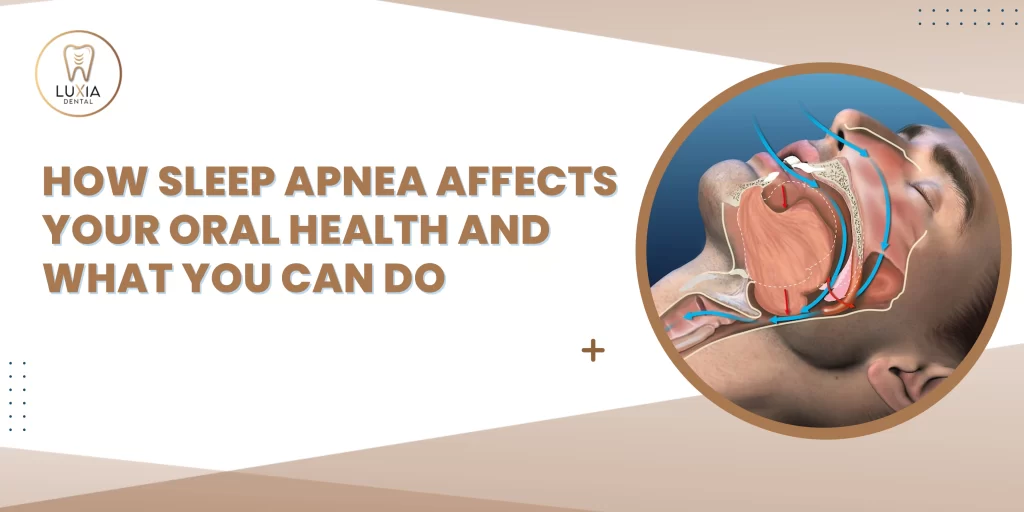
It is during sleep that your body repairs itself, heals, and unwinds. However, for many, sleep isn’t as restful as it ought to be. A common sleep issue can be sleep apnea. Many people are aware that sleep apnea impacts the quality of sleep and breathing. Yet, few people are aware that sleep apnea can also have a profound connection to tooth and oral health. Yes, the mouth, your teeth, gums, jaw, and tongue could suffer from sleep apnea. This is why the dental link between sleep apnea and sleep becomes crucial to comprehend. The article will discuss everything in very simple terms. Even if you do not know about sleep apnea and oral health, you’ll be able to comprehend it at the end of this article. We will be discussing: What Is Sleep Apnea? (In Very Simple Words) Sleep apnea can be described as a sleep issue in which a person is unable to breathe repeatedly during sleep. These breathing stops may be in place for: It can happen several times throughout the night without even realizing it. This is because: There are two main types of sleep apnea. Dental and oral issues in the majority are associated with obstructive sleep apnea. Why Oral Health Matters in Sleep Apnea The mouth is the primary airway that you breathe through, especially when you sleep. Your jaw, tongue, gums, teeth, and airway all function together. When sleep apnea is present: This can cause a variety of oral health problems over time. This is why doctors discuss the link between sleep apnea and dental health. Dentists are usually the first to recognize the signs of sleep apnea when watching your mouth. Why Oral Health Matters in Sleep Apnea The dental link in sleep apnea implies that it is possible to establish a link between sleep apnea and oral dental issues. Sleep apnea may result in: Then: It works in both ways. This connection is crucial yet is often overlooked. How Sleep Apnea Affects Your Mouth and Teeth Let’s learn step-by-step the ways sleep apnea can harm oral health. 1. Dry Mouth Is Very Common Sleep apnea sufferers often breathe through their mouths when they sleep. This is the reason: Saliva is extremely important due to: When saliva levels are low: Dry mouth is among the earliest signs of the oral condition, sleep apnea. 2. Gum Disease Gets Worse Sleep apnea can cause inflammation throughout the body. This is the reason: If you are disturbed at night: Sleep apnea sufferers who aren’t treated are more prone to suffer from: This clearly demonstrates that there is a dental health, sleep, and apnea connection. 3. Teeth Grinding and Apnea Go Hand in Hand A strong link that is strongest in the grinding of teeth and apnea. A lot of people suffering from sleep apnea grind their jaws at midnight without realizing it. This is because: This could cause: Dentists frequently notice worn teeth and may suspect sleep apnea. It is a clear indicator that there is dental grinding as well as sleep apnea. 4. Jaw Pain and TMJ Problems Sleep apnea affects jaw position during sleep. This could cause: Clenching and grinding can make it even more painful. Over time: Another example of the profound link between sleep apnea and dental health. 5. Tongue and Throat Changes Sleep apnea in the form of Over time: Dentists may notice these indications during oral exams. Another aspect of oral sleep apnea health indications. 6. Higher Risk of Tooth Decay Caused by: Teeth are more prone to damage. People who suffer from sleep apnea typically have the following symptoms: The damage is subtle over decades. How Poor Oral Health Can Make Sleep Apnea Worse The connection is two-way. Poor oral health can: For instance: This could exacerbate sleep apnea symptoms. This is why addressing sleep apnea and oral health together is crucial. Signs in Your Mouth That May Point to Sleep Apnea Most people are unaware that they suffer from sleep apnea. However, the mouth can tell you. Beware of: These signals help strengthen the dental link between sleep apnea and sleep. How Dentists Help with Sleep Apnea Dentists play a significant part in preventing sleep apnea. They may: Dentists who are trained in sleep medicine can help you manage sleep apnea in the mouth efficiently. Oral Appliances for Sleep Apnea A common dental procedure is one that uses a Mandibular Advancement Device. This device: Benefits: These devices also lessen the amount of grinding that occurs and prevent apnea in conjunction. How CPAP Affects Oral Health CPAP devices are commonly used to treat sleep apnea. However, CPAP may be the cause of: To ensure oral health protection: Controlling CPAP properly can help balance the sleep apnea-dental link. What You Can Do to Protect Your Oral Health And building healthy habits is an easy step you can all follow. Daily Habits That Help These easy steps can ensure oral health and reduce the risk of sleep apnea. Night Care Tips They reduce the amount of grinding that occurs and prevent the risk of apnea harm. Regular Dental Visits Visit your dentist every 6 months. Dentists may: This improves the link between sleep apnea and dental treatment. Lifestyle Changes That Improve Sleep Apnea and Oral Health Simple lifestyle changes can ease both health conditions. These measures can improve the quality of sleep and also improve oral health. Importance of Treating Sleep Apnea Early Untreated sleep apnea can cause: The early treatment can prevent: Knowing the sleep apnea-dental connection early could protect your teeth and improve your health. Conclusion Sleep apnea doesn’t just mean a sleep issue. It affects the entire body, including the mouth. The link between oral and sleeping apnea is genuine and solid. The sleep apnea-dental connection, oral health sleep apnea and dental grinding as well as sleep apnea are all inextricably linked. By: You can safeguard your sleep as well as your smile. Sleeping well and maintaining healthy oral health always go hand in hand. Frequently